CHRISTOPHER MICHLIG | Catalog | January 25 – March 7, 2026

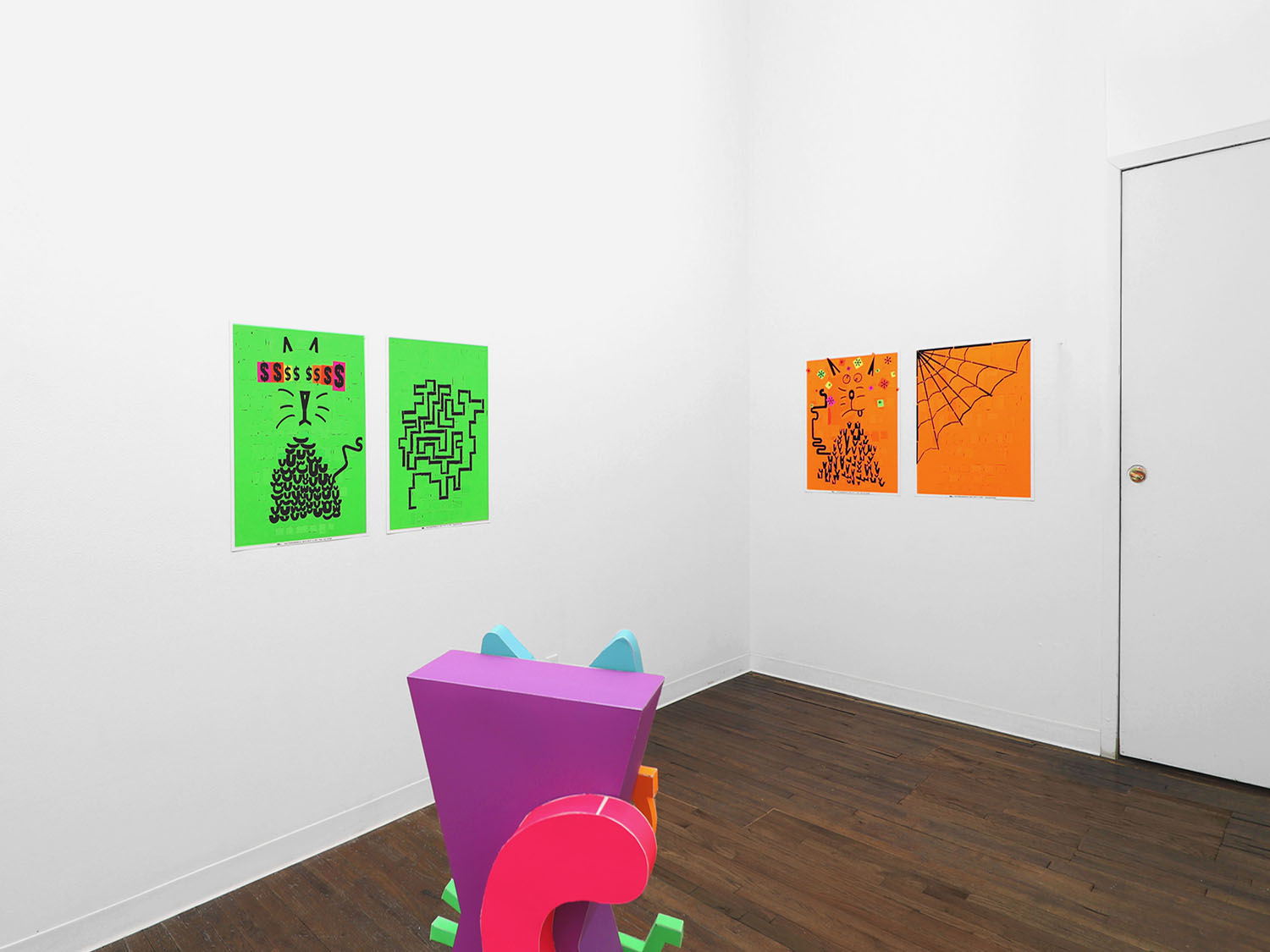
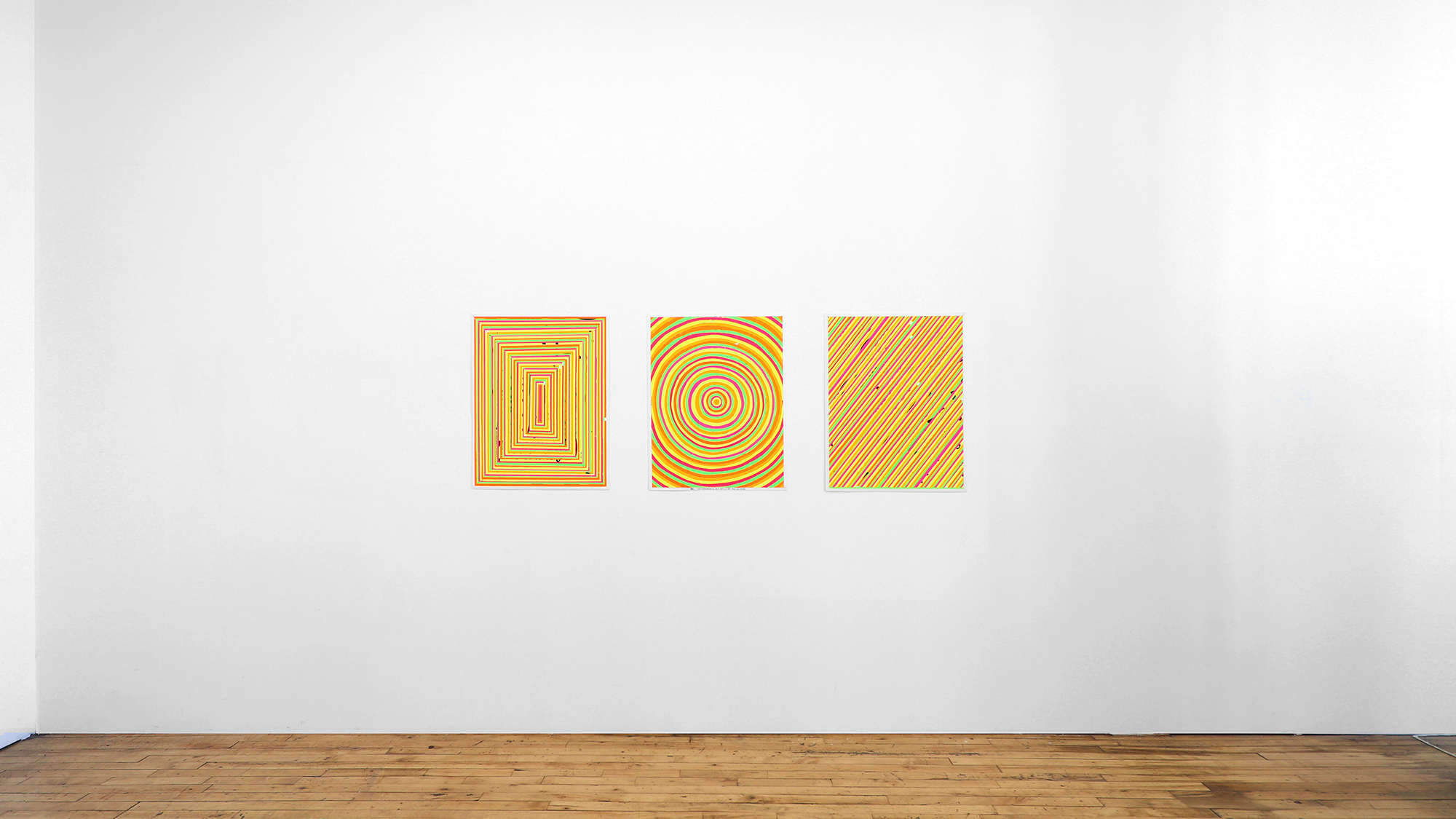
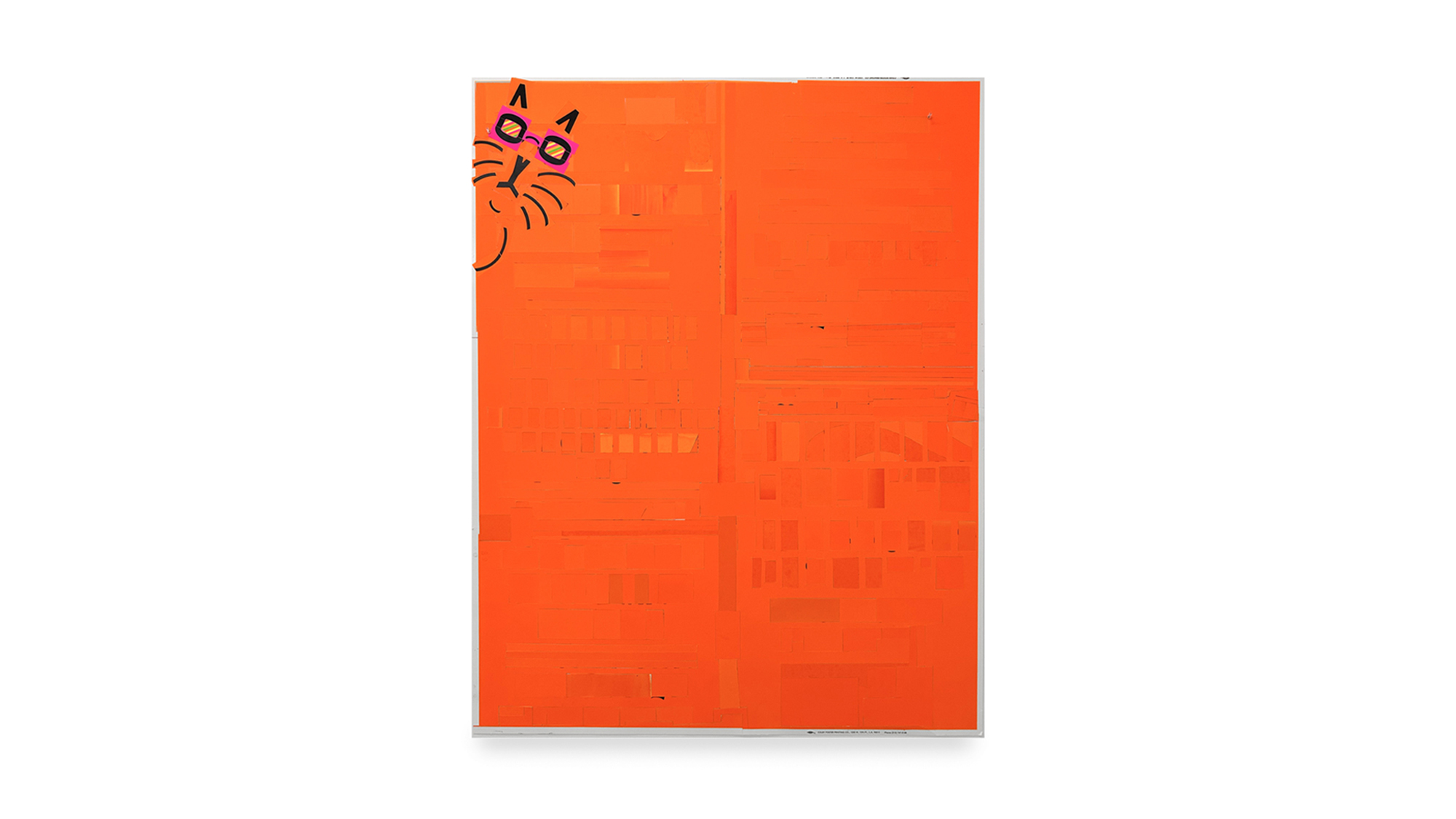
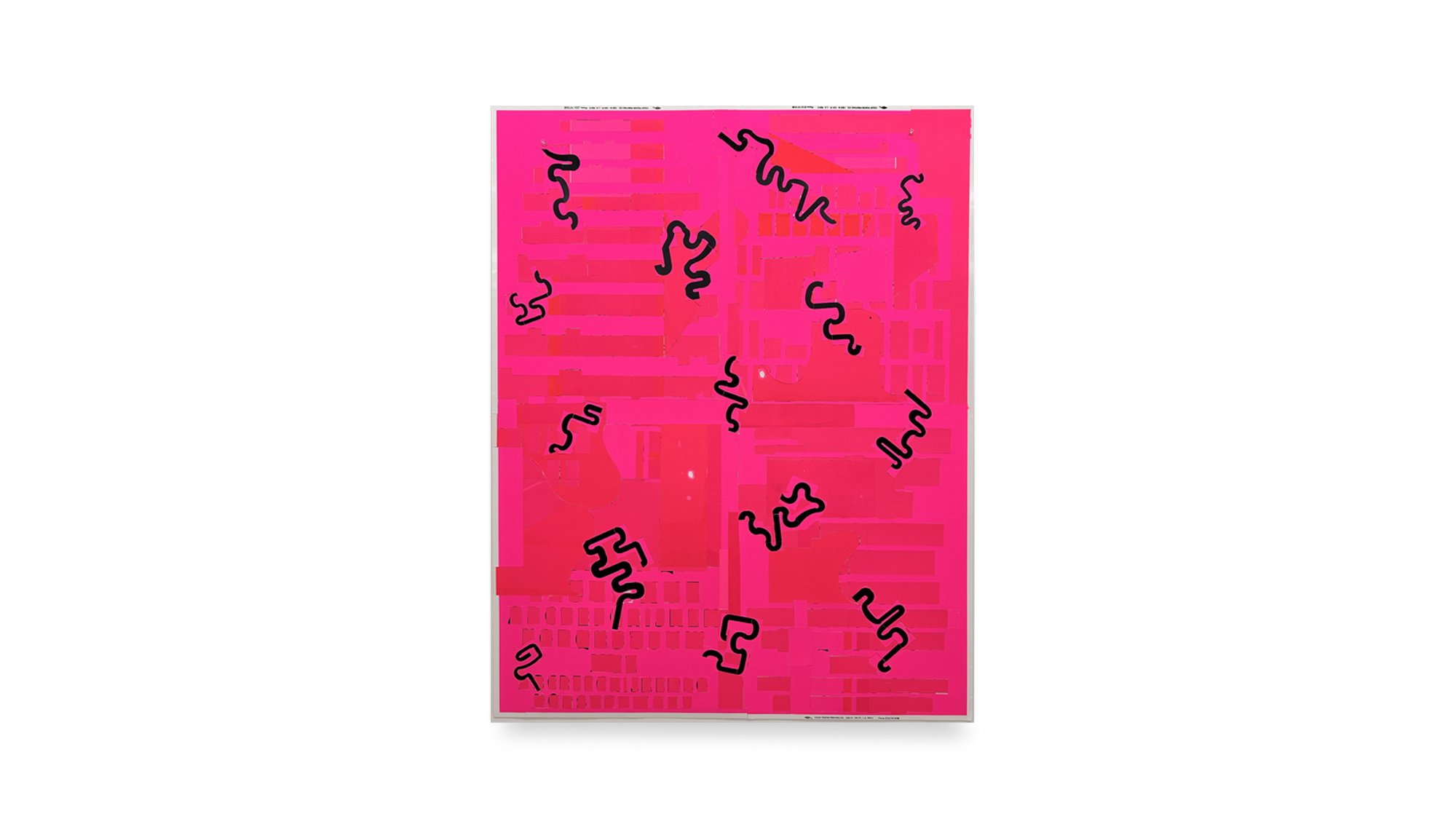
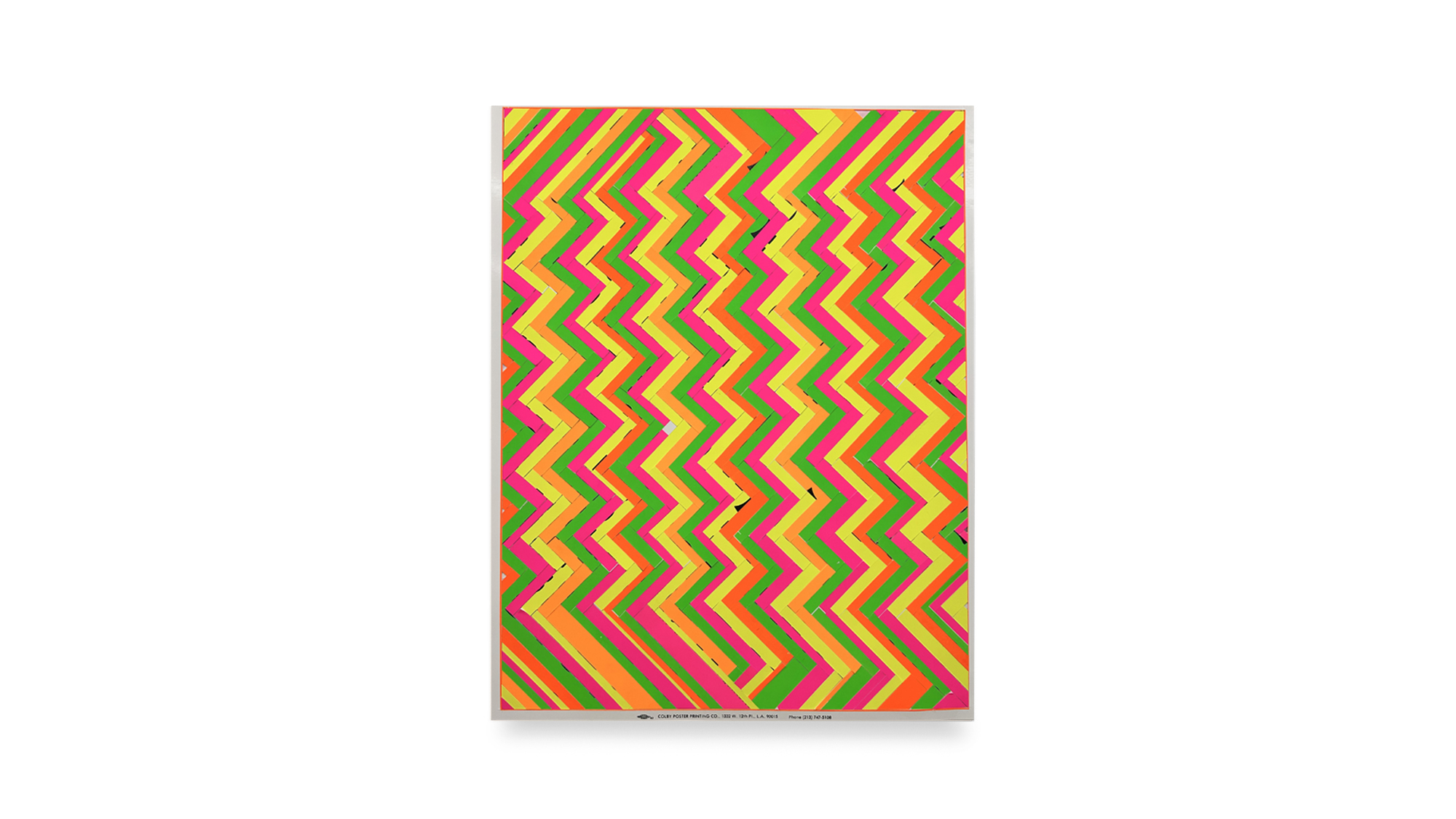
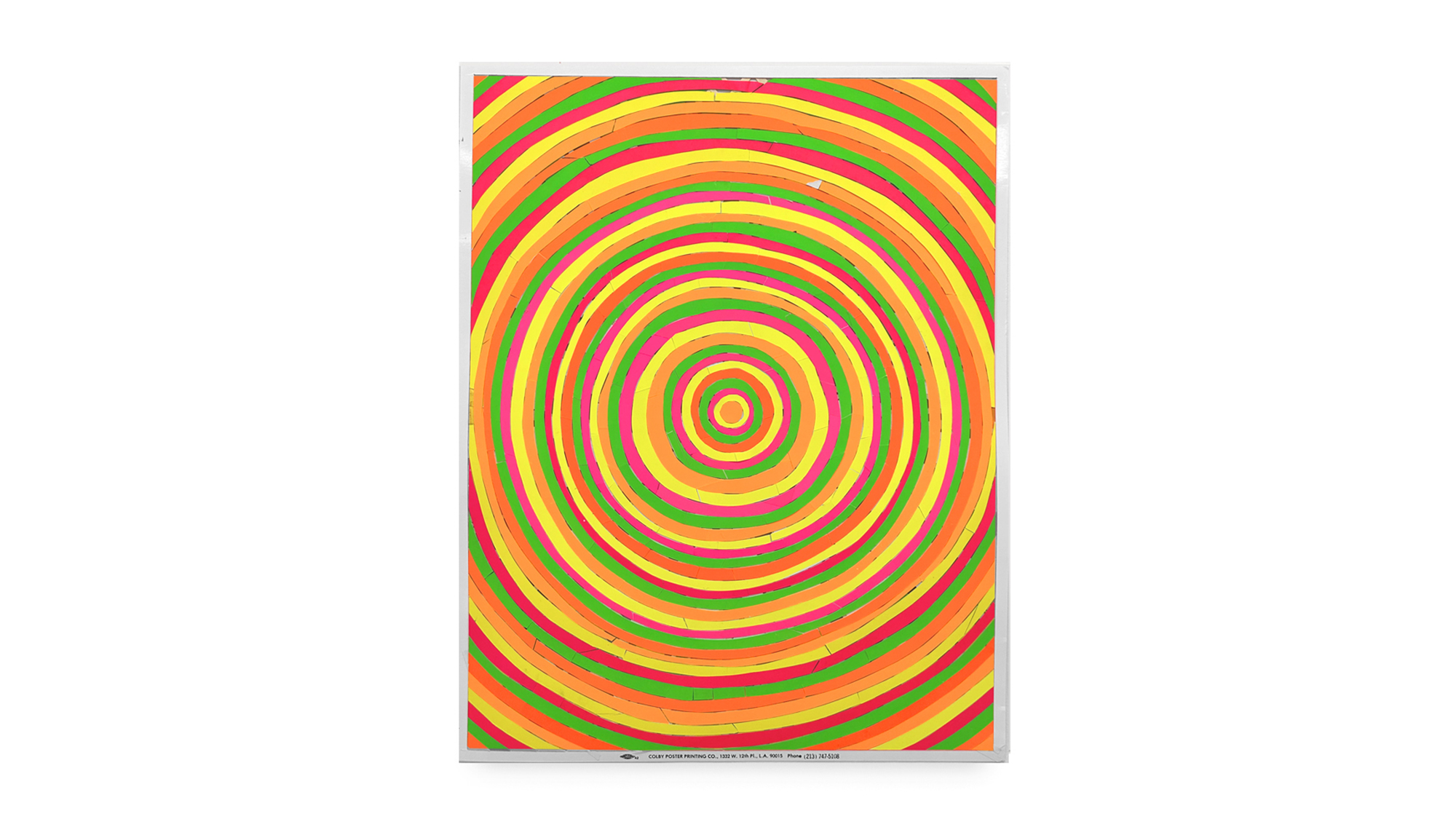
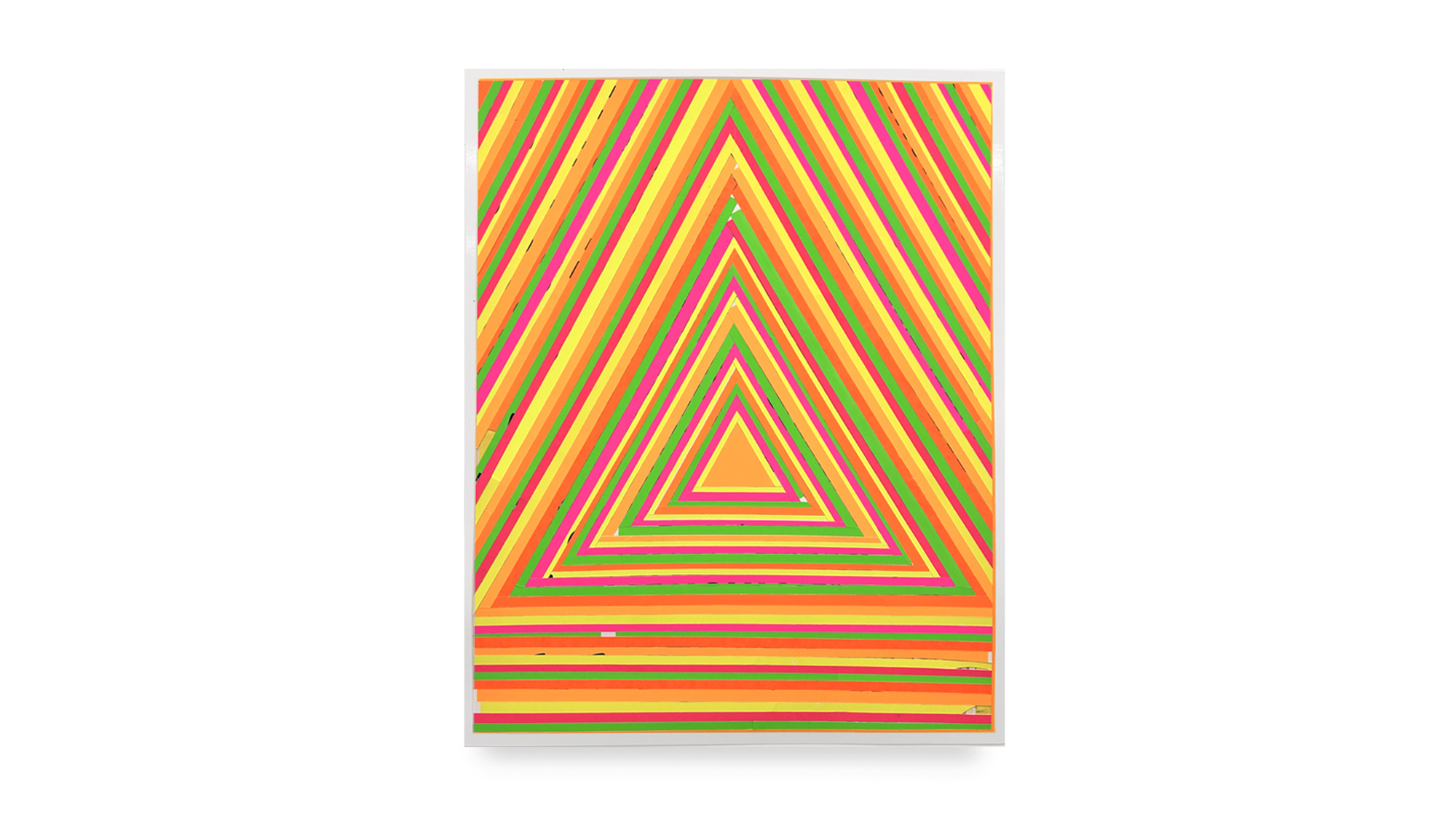
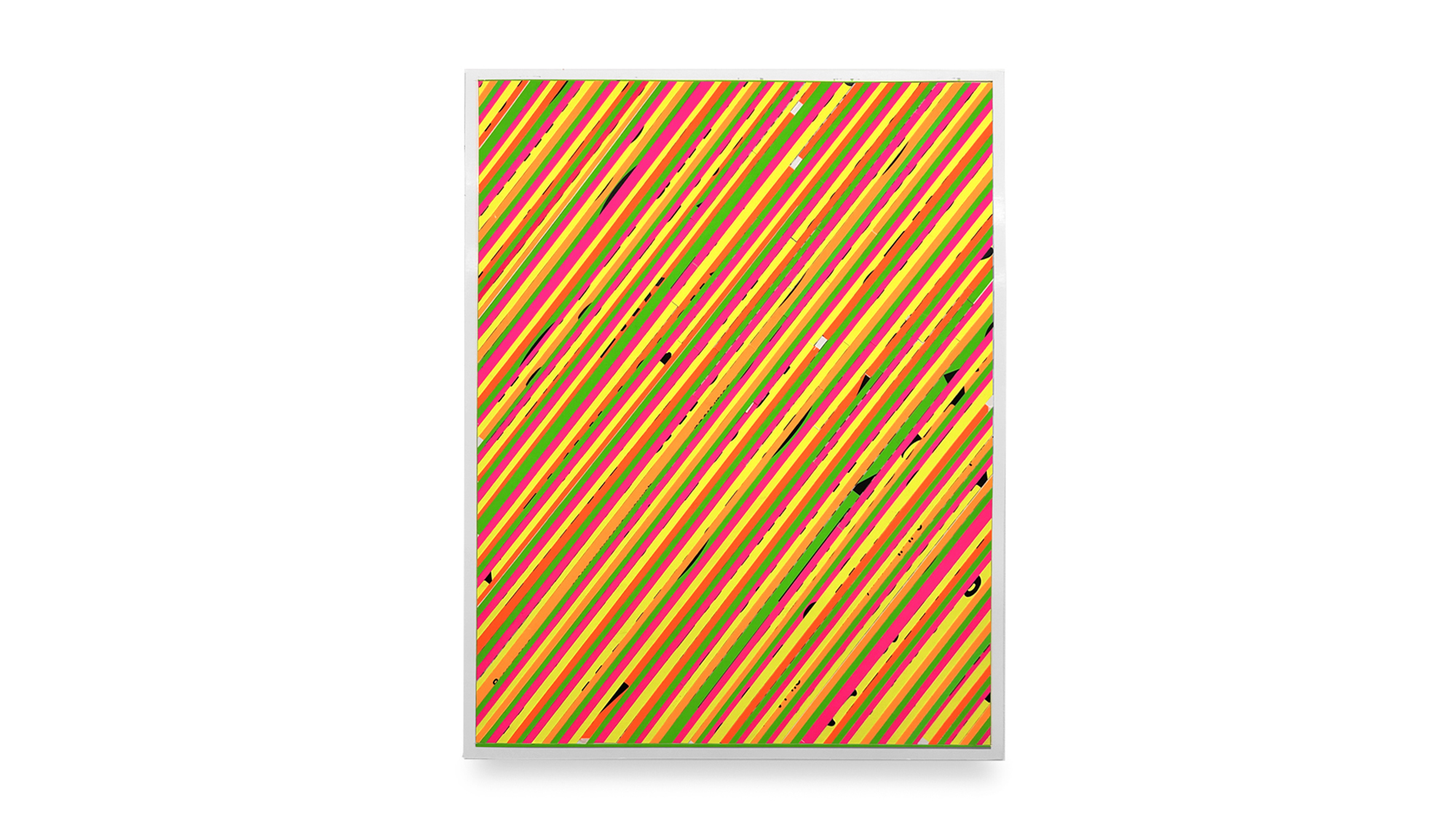
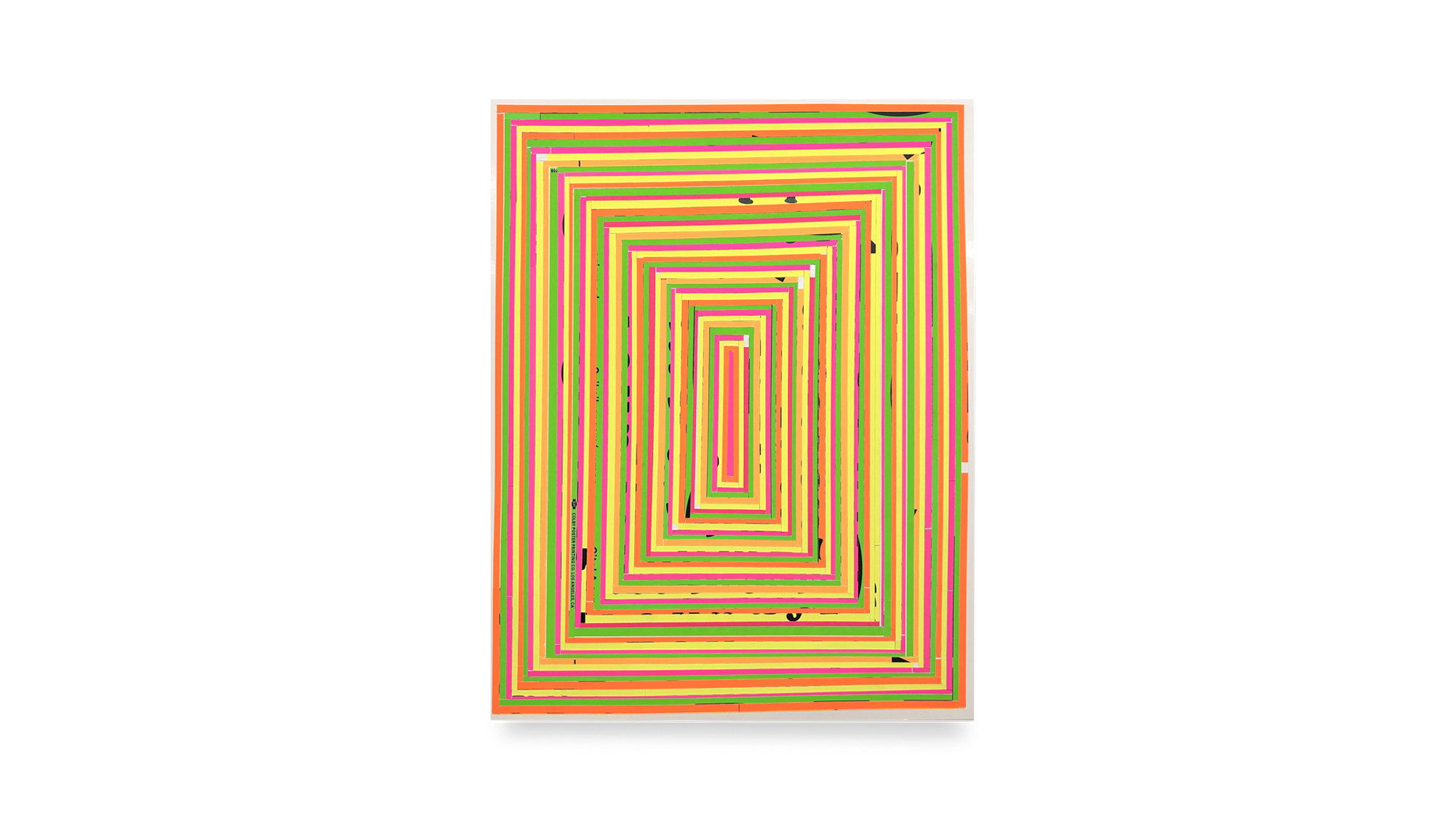
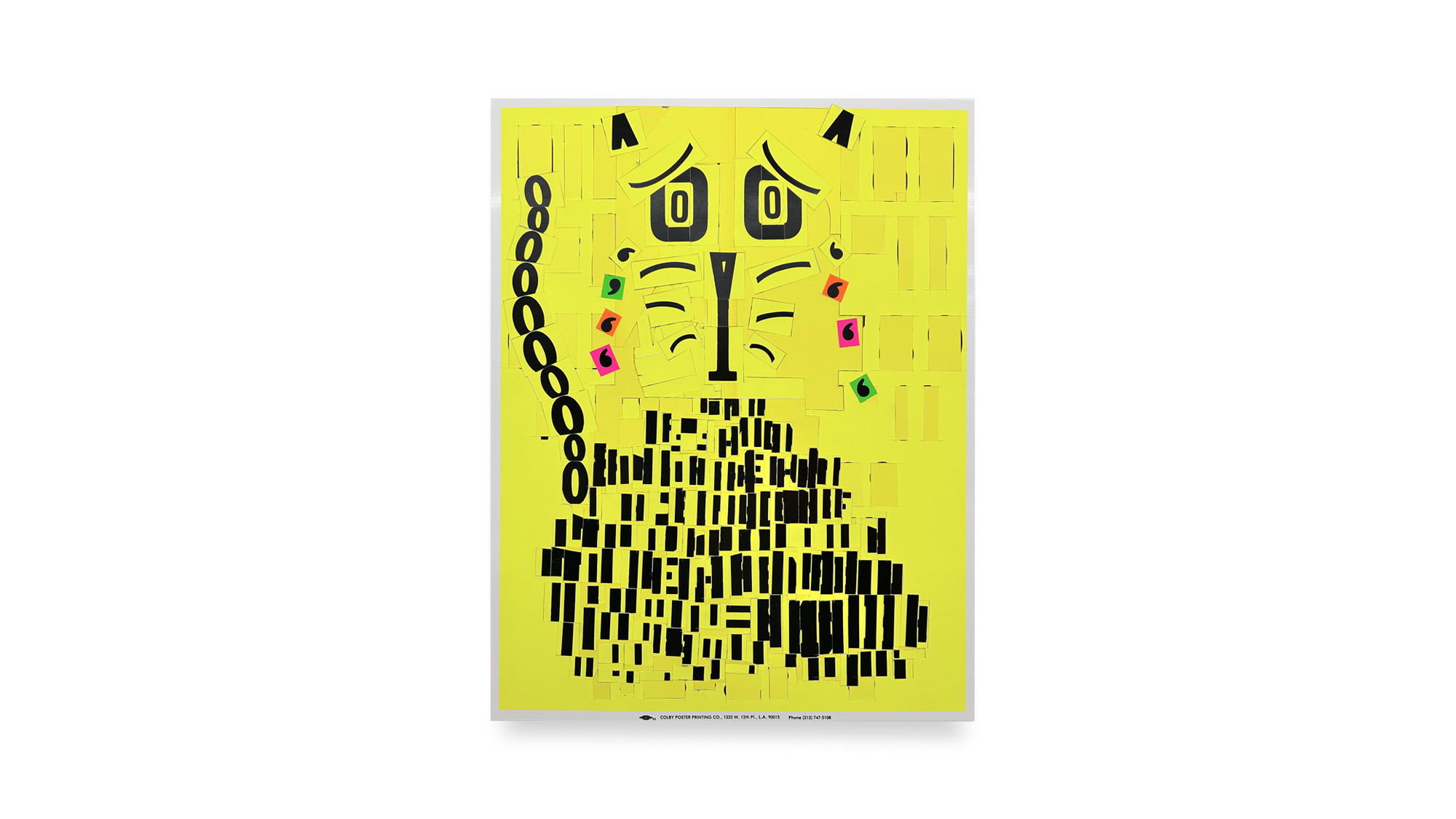
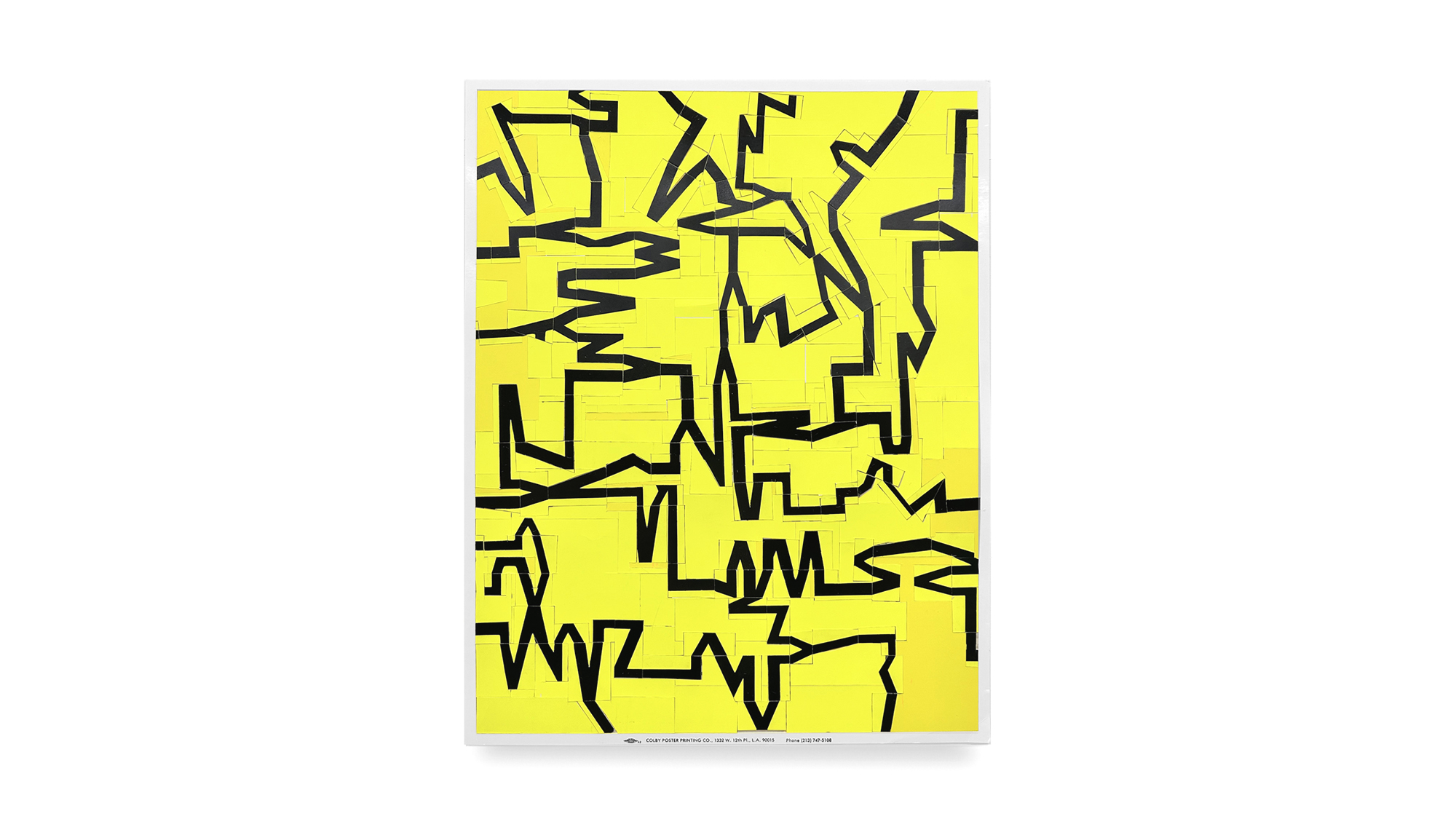
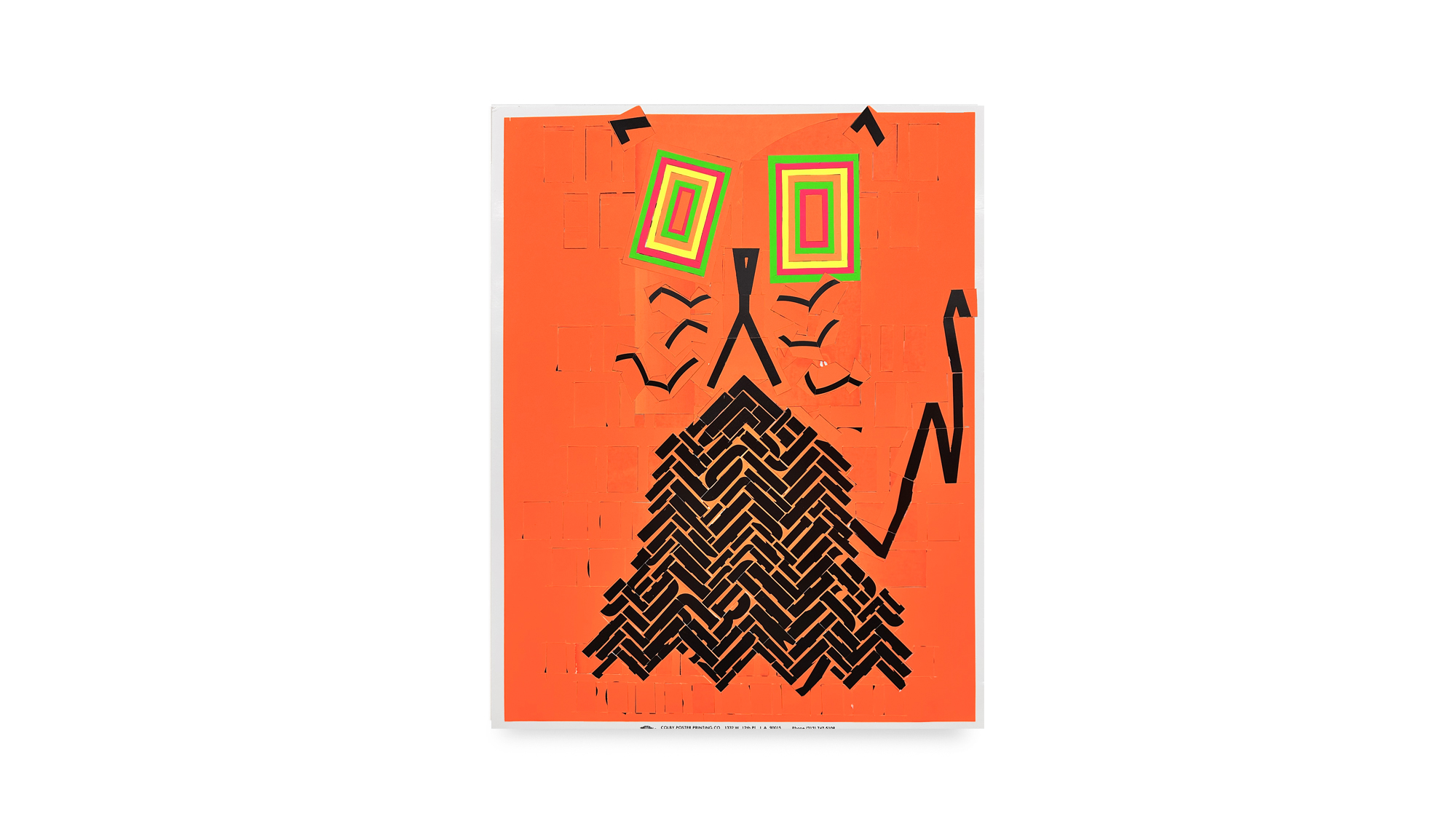
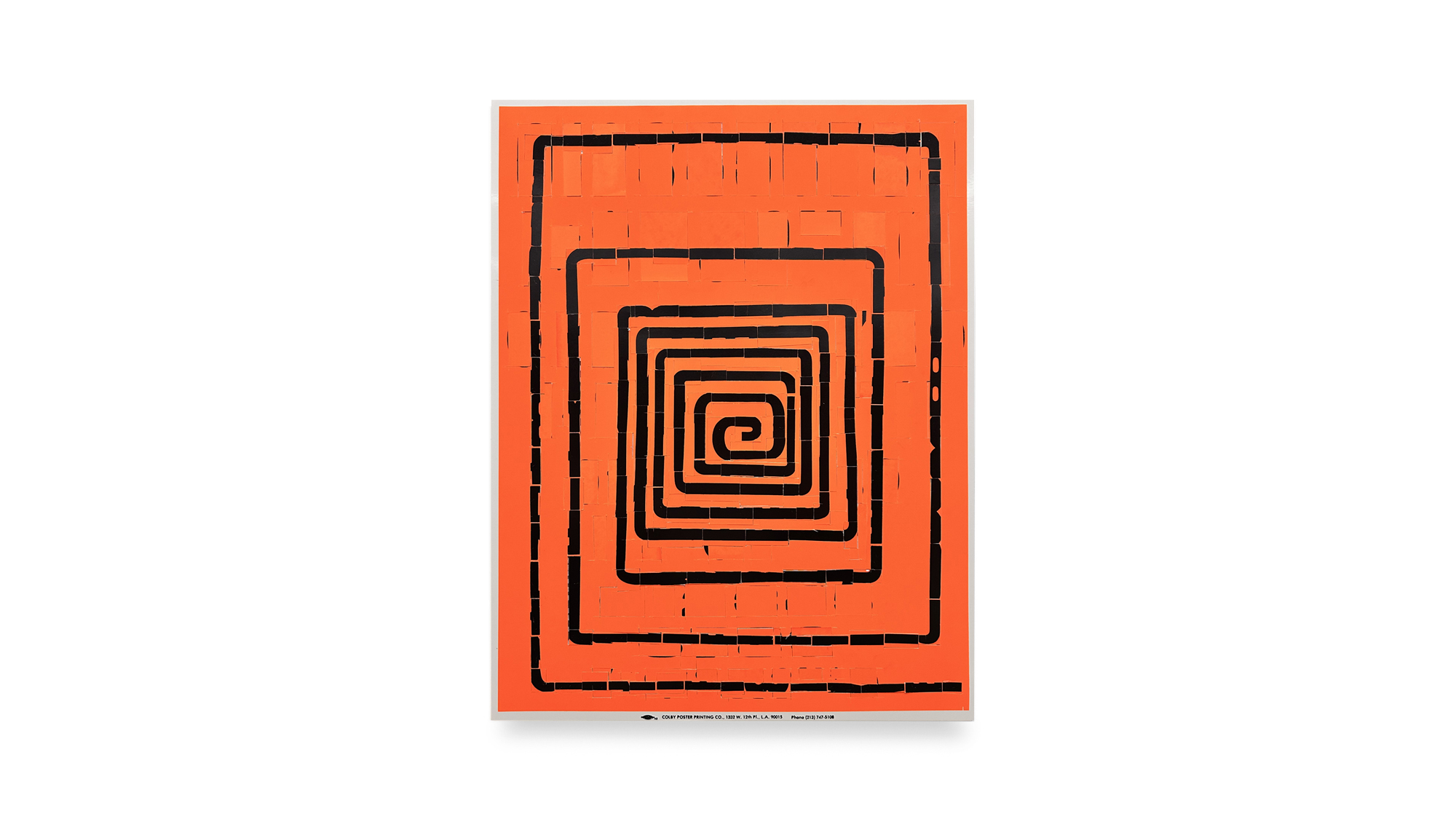
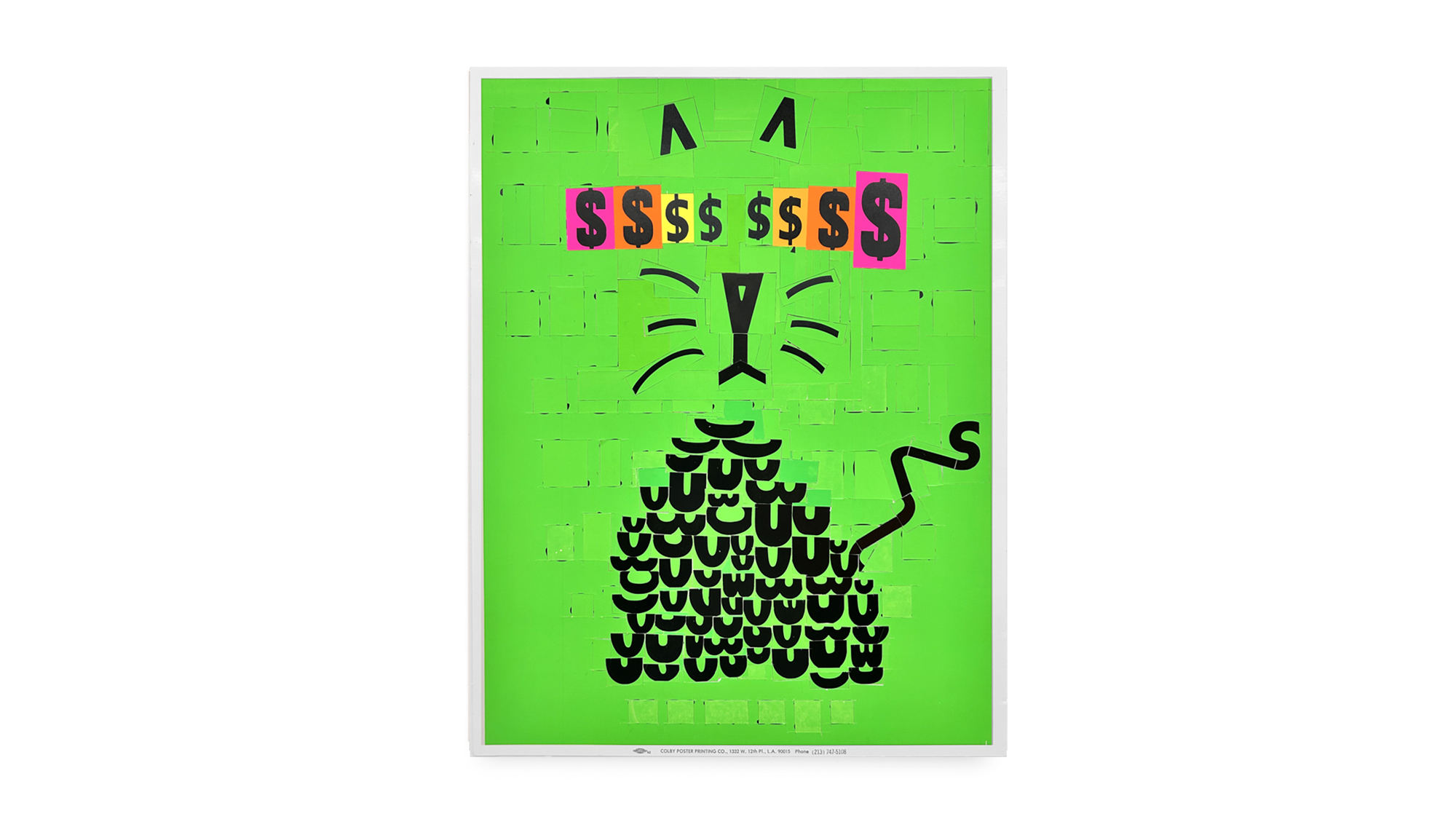
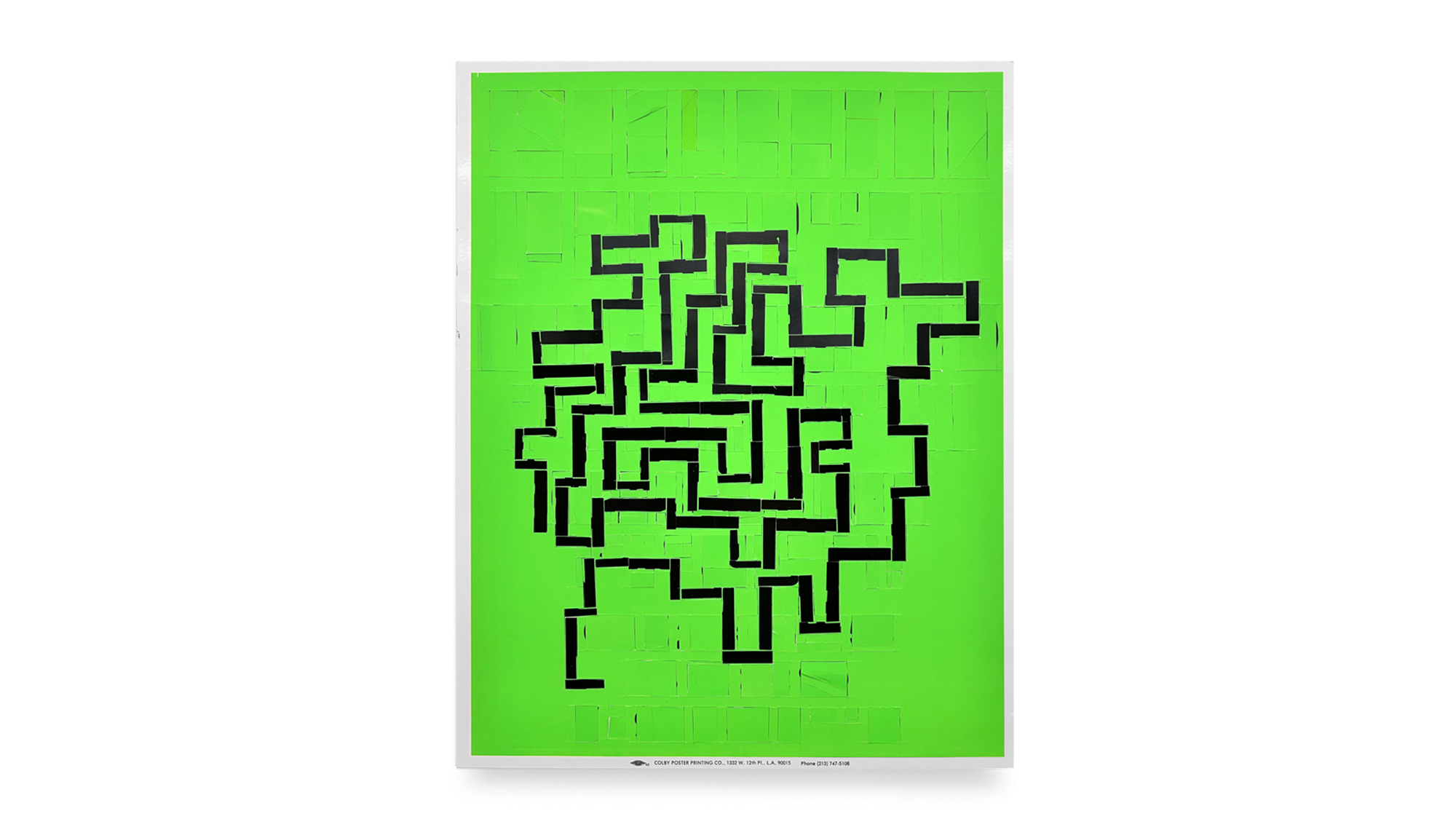
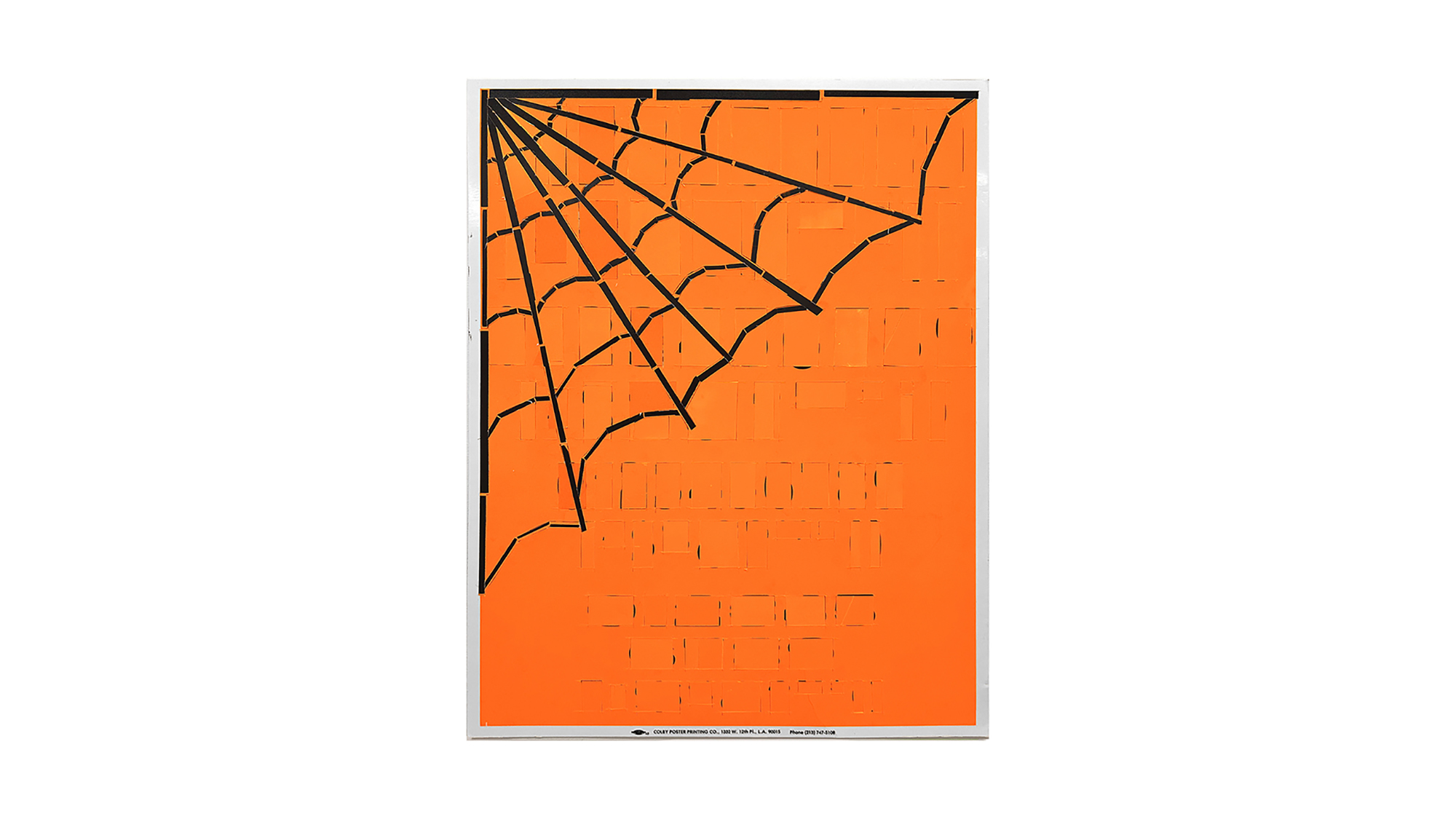
The raw material for this body of work comes from a singular moment in Los Angeles printing history. In the week prior to the closure of the Colby Poster Printing Company in 2012, hundreds of type specimen posters were commissioned by Michlig and printed on the company’s signature fluorescent poly-coated poster paper. Long embedded in the city’s visual culture, these posters now function as both a material source and a cultural archive for Michlig.
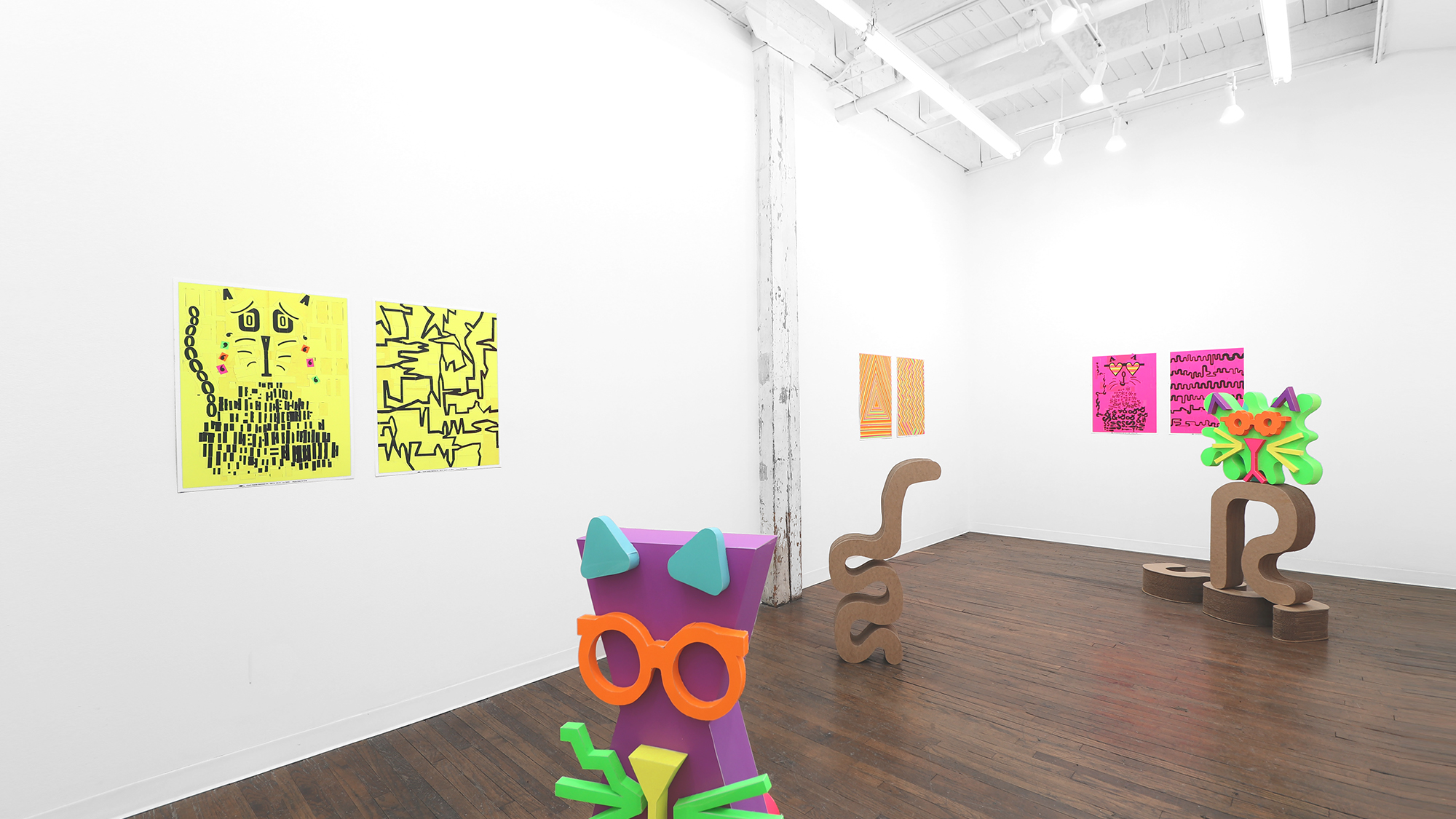
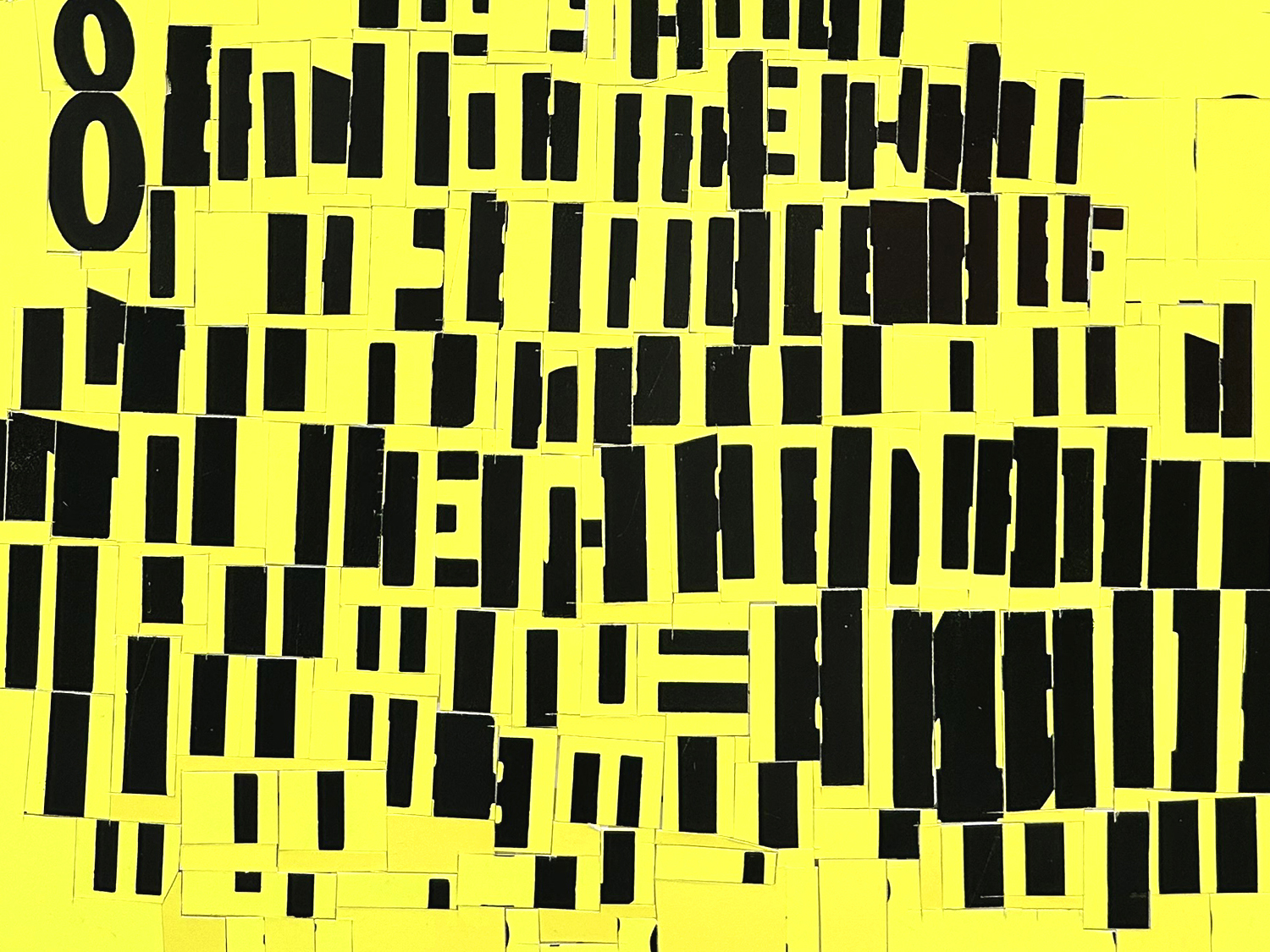
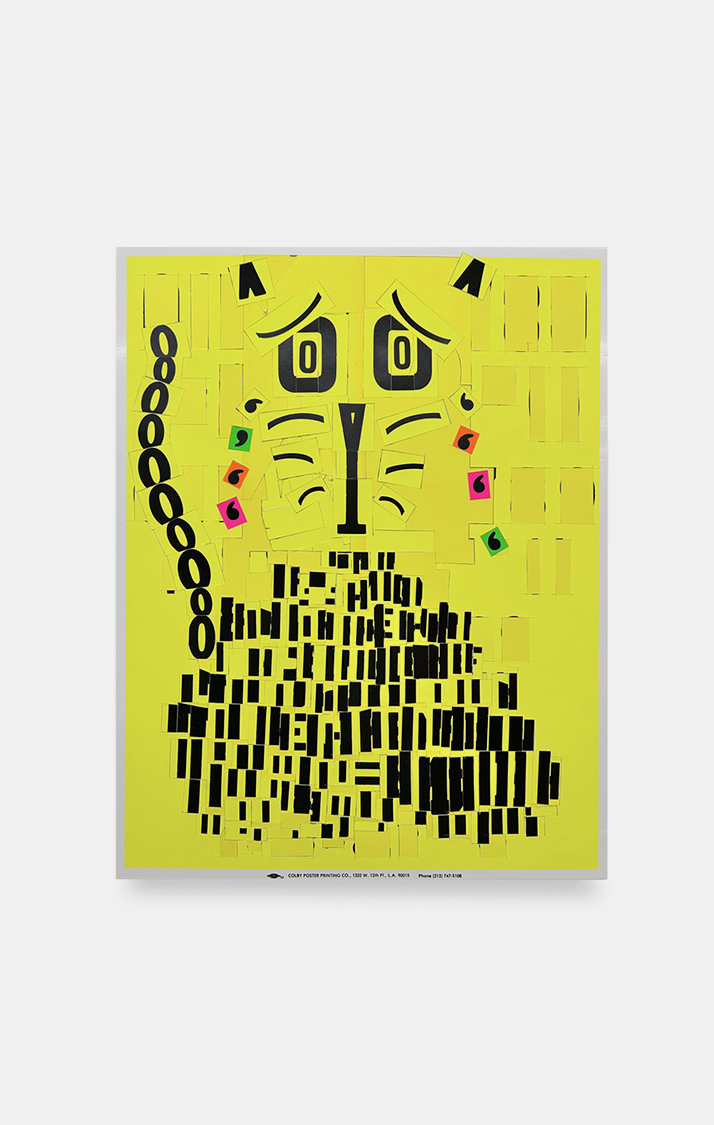
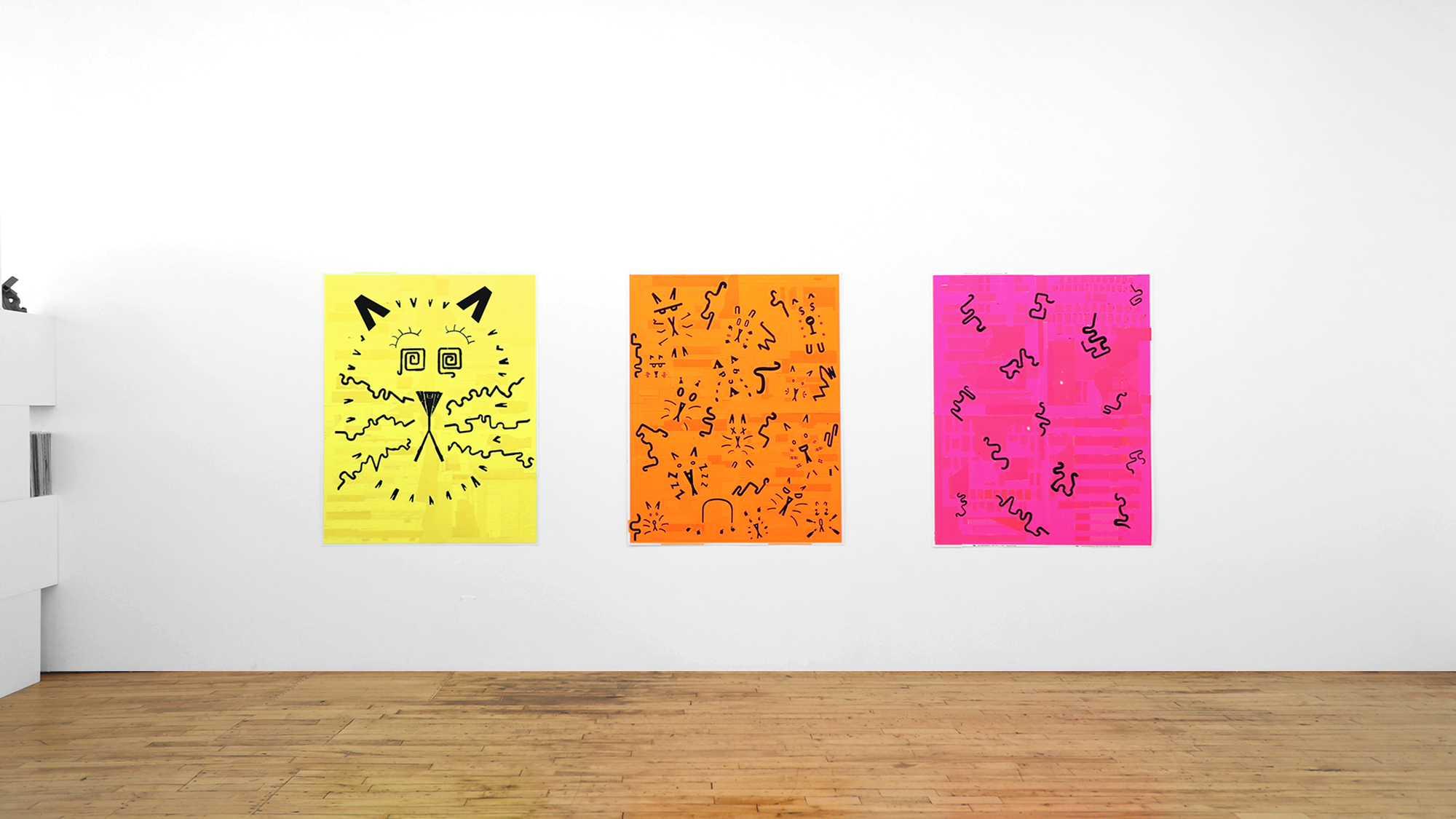
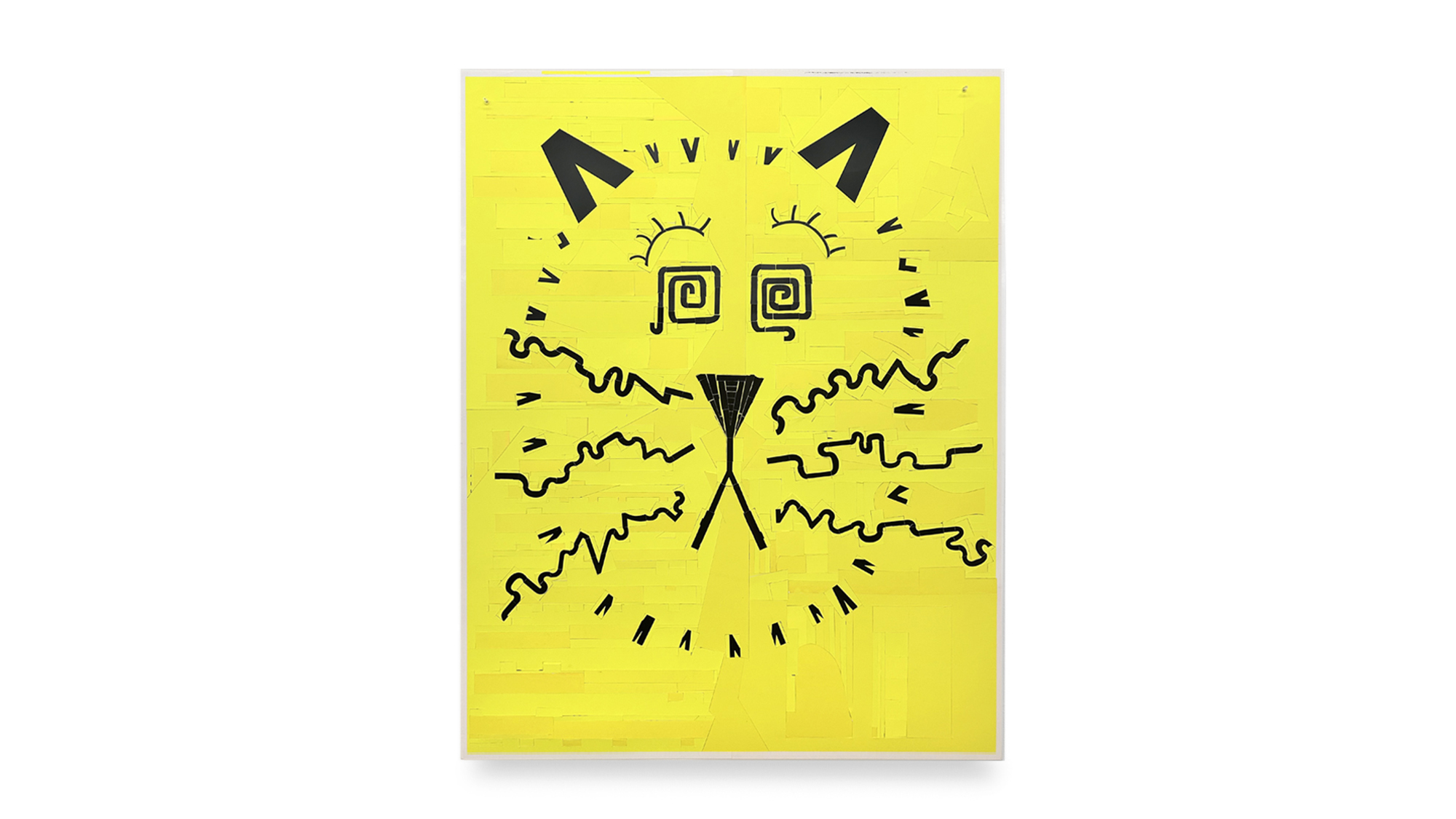
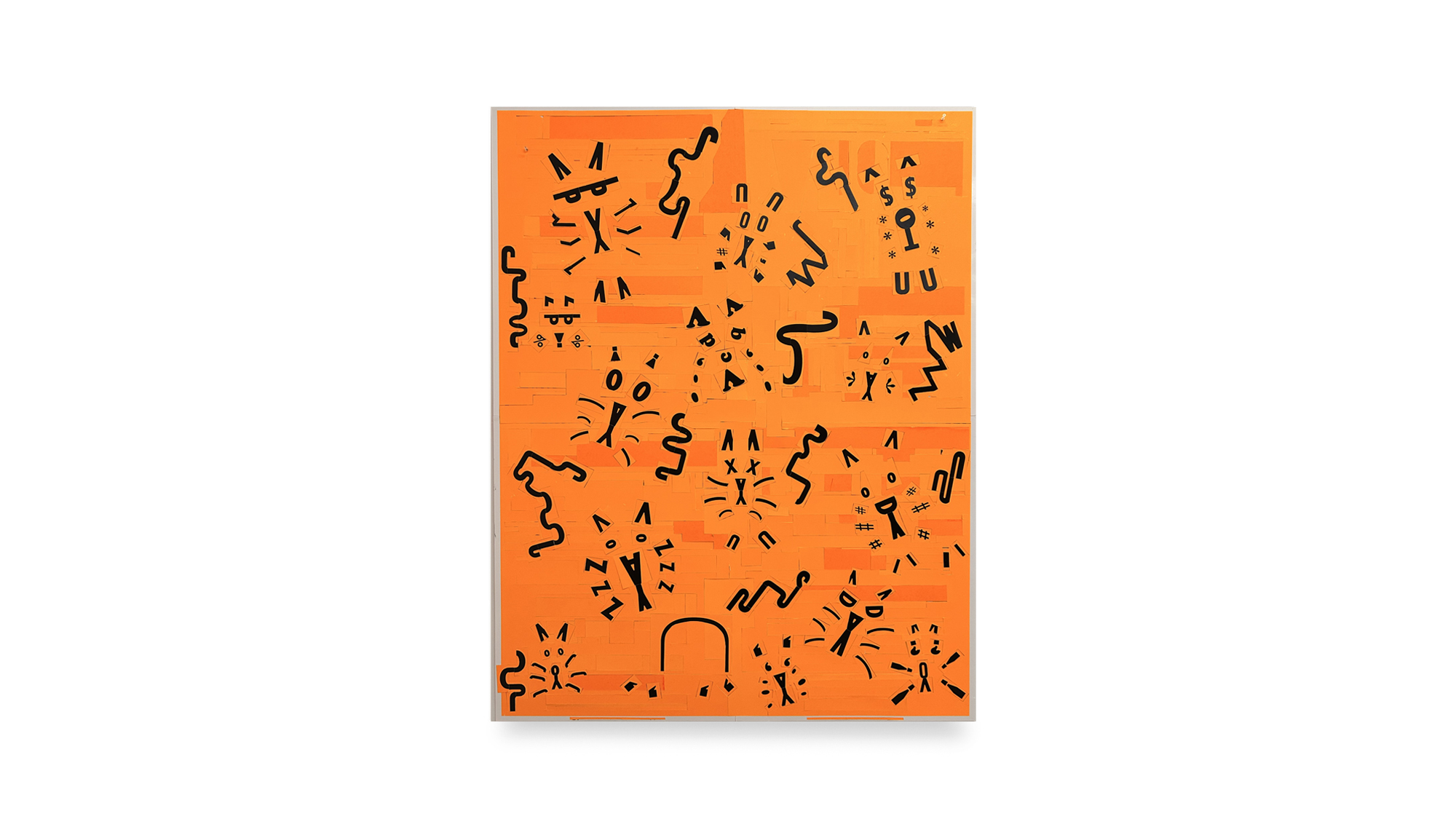
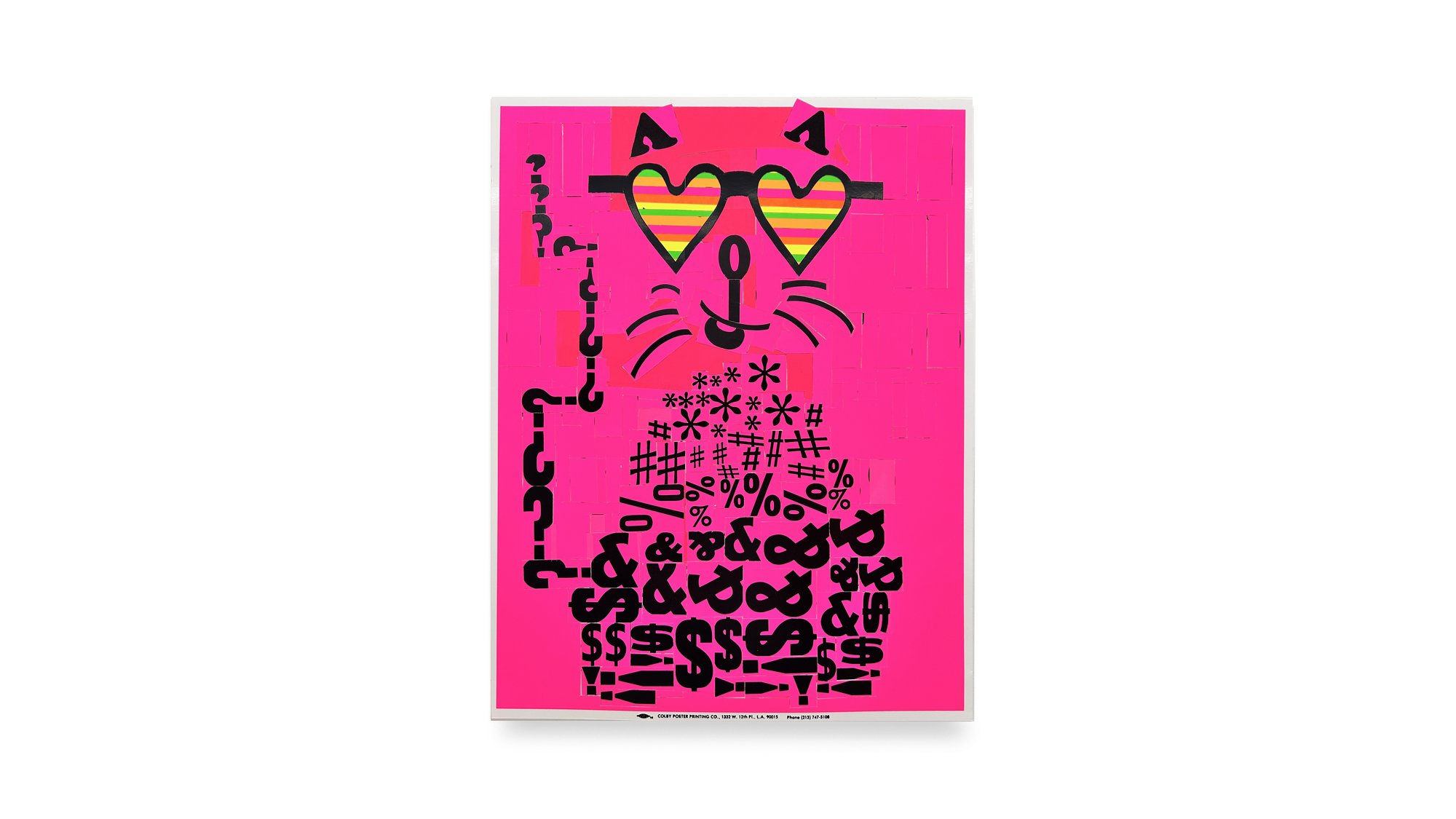
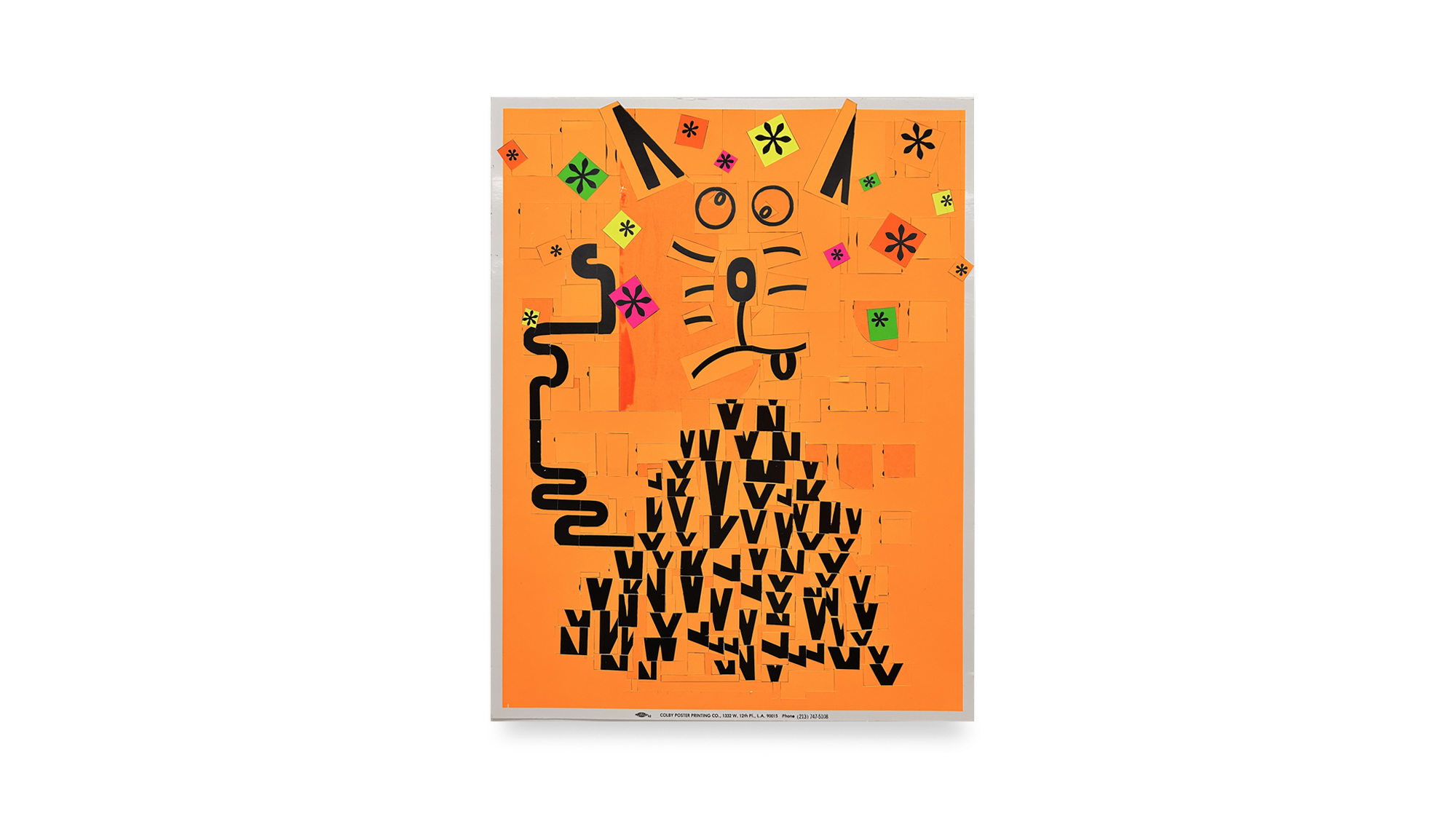
Michlig’s practice often involves cutting apart letterpress posters and recomposing their typographic fragments into new arrangements. For Catalog, this process is focused on cats and uses the Colby posters as the sole source material for the collages. Feline presence is suggested through truncated letters, punctuation, and partial forms set against vivid neon grounds. The cats are not depicted directly but emerge through attitude and compositional gesture.
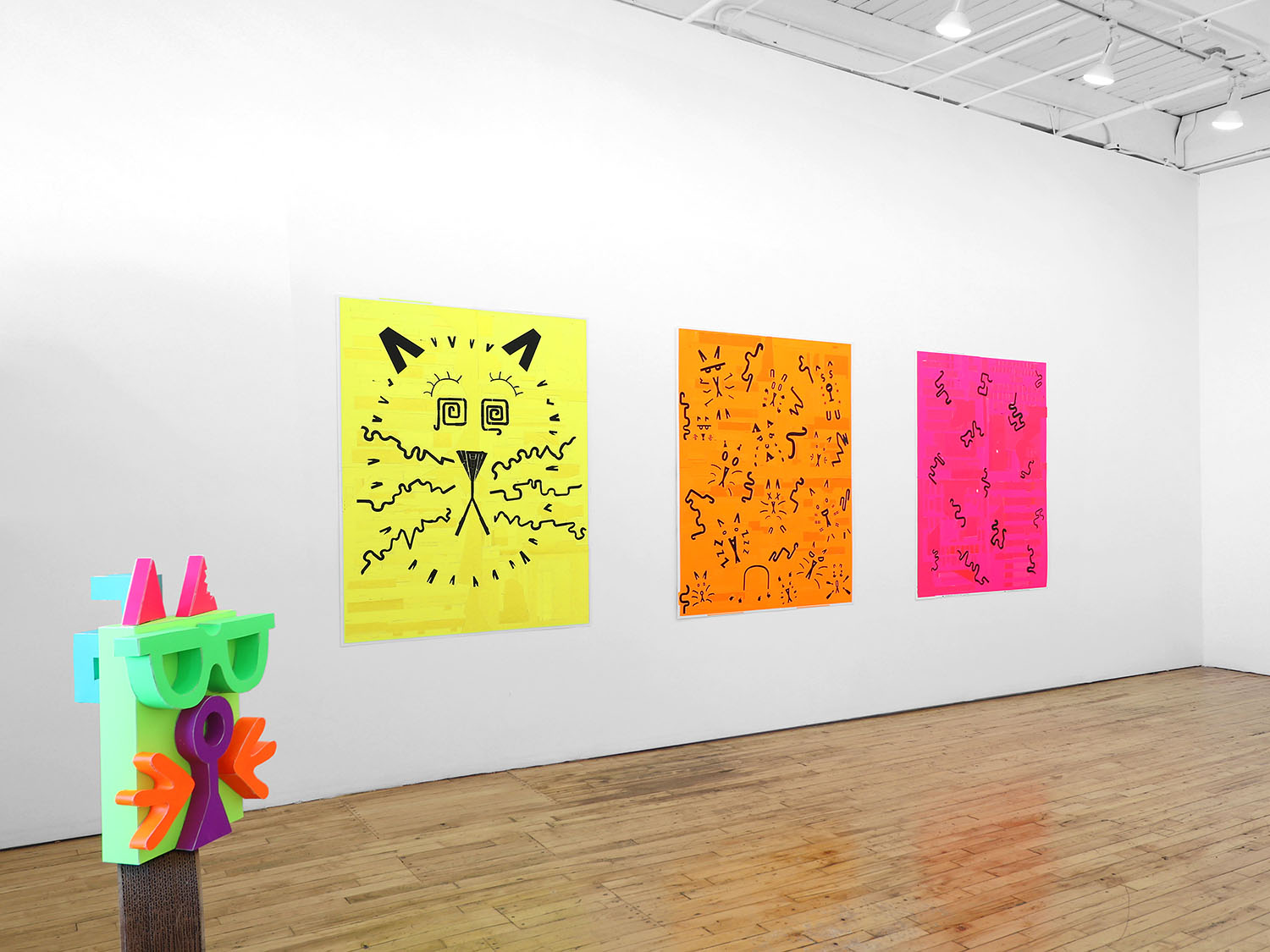
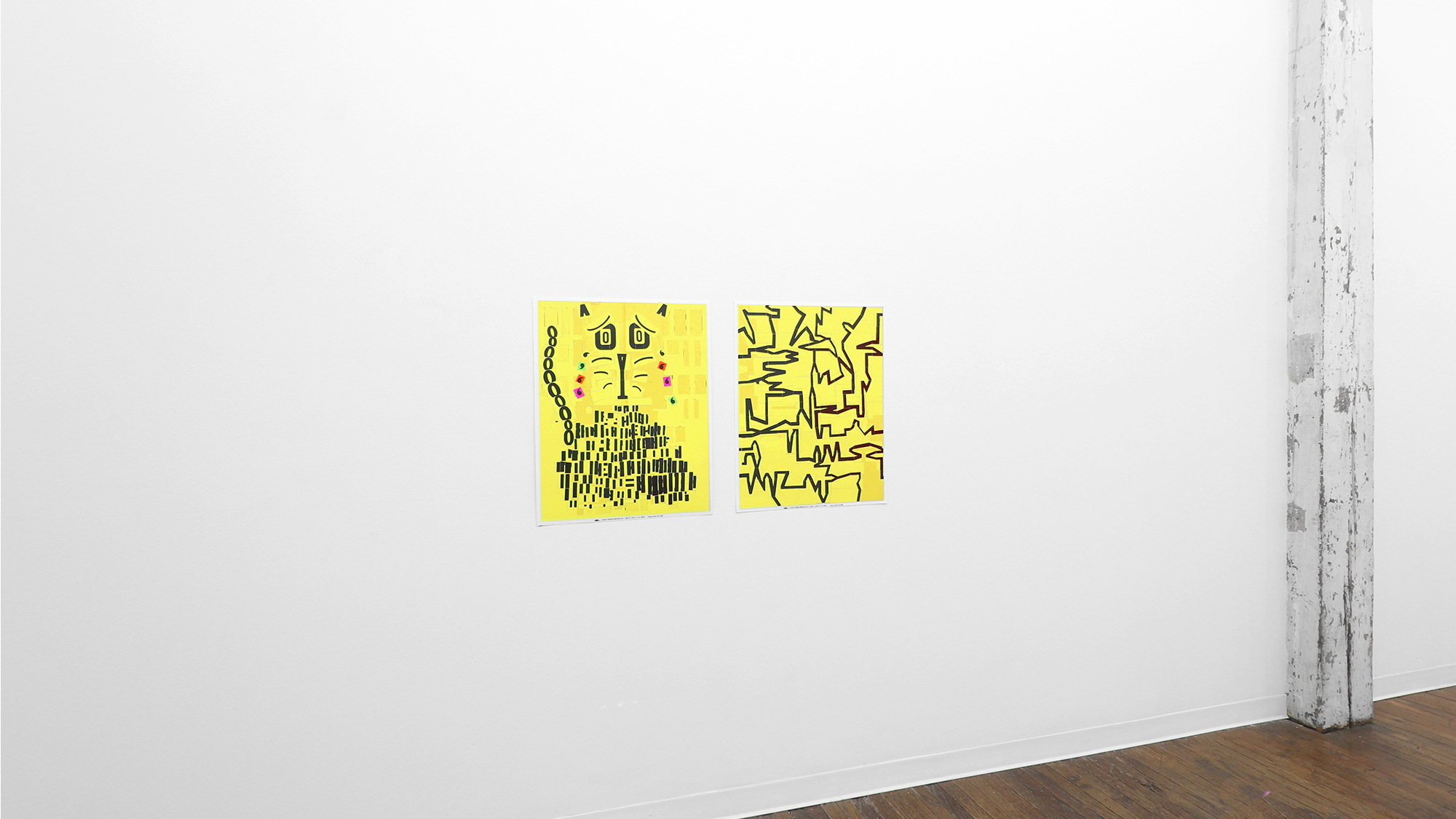
The logic of fragmentation in the work finds a cultural reference in the Cheshire Cat from the animated Alice in Wonderland. Appearing and disappearing in parts as well as in full, the character is defined by selective visibility. This mode of partial presence parallels the exhibition’s use of typographic fragments and modular components, where figures are assembled through absence and recombination rather than complete depiction.
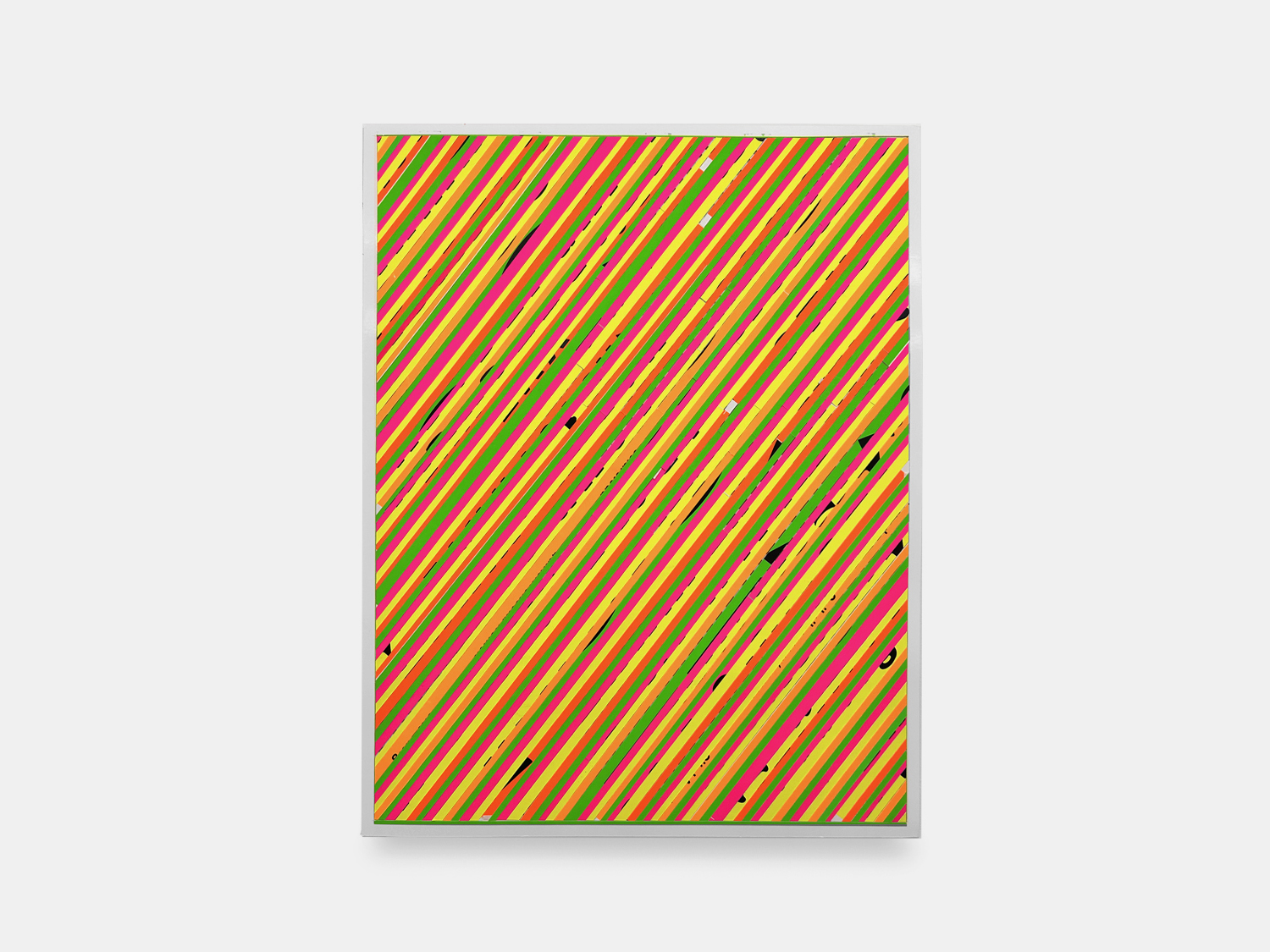
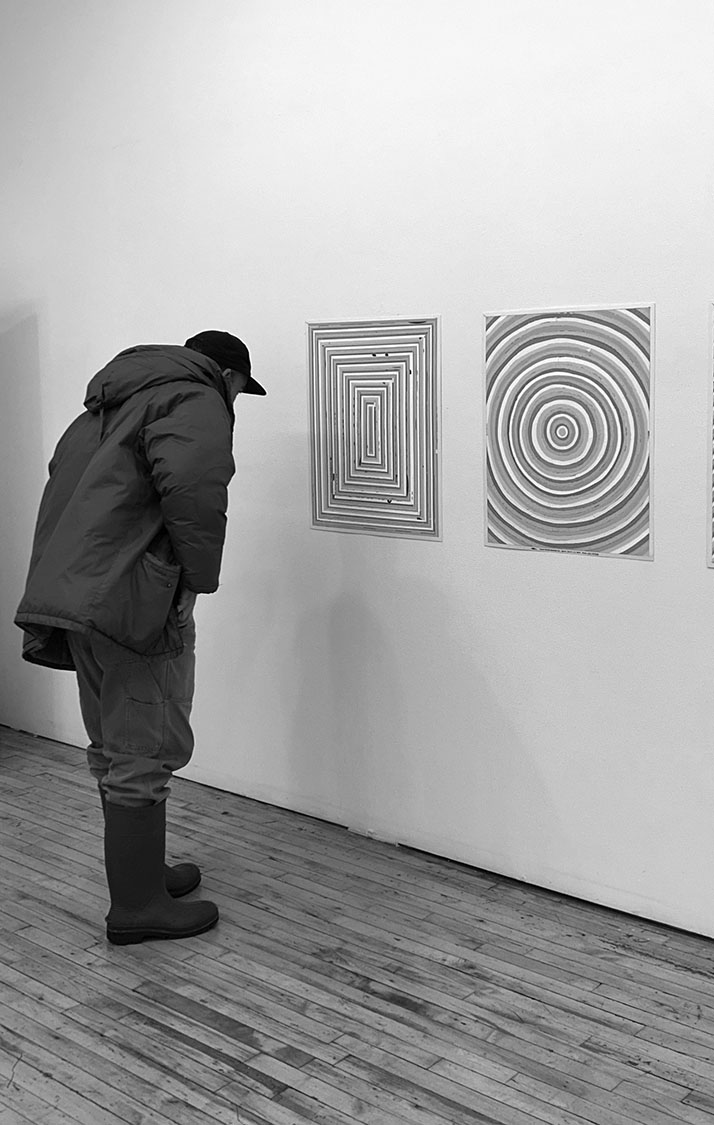
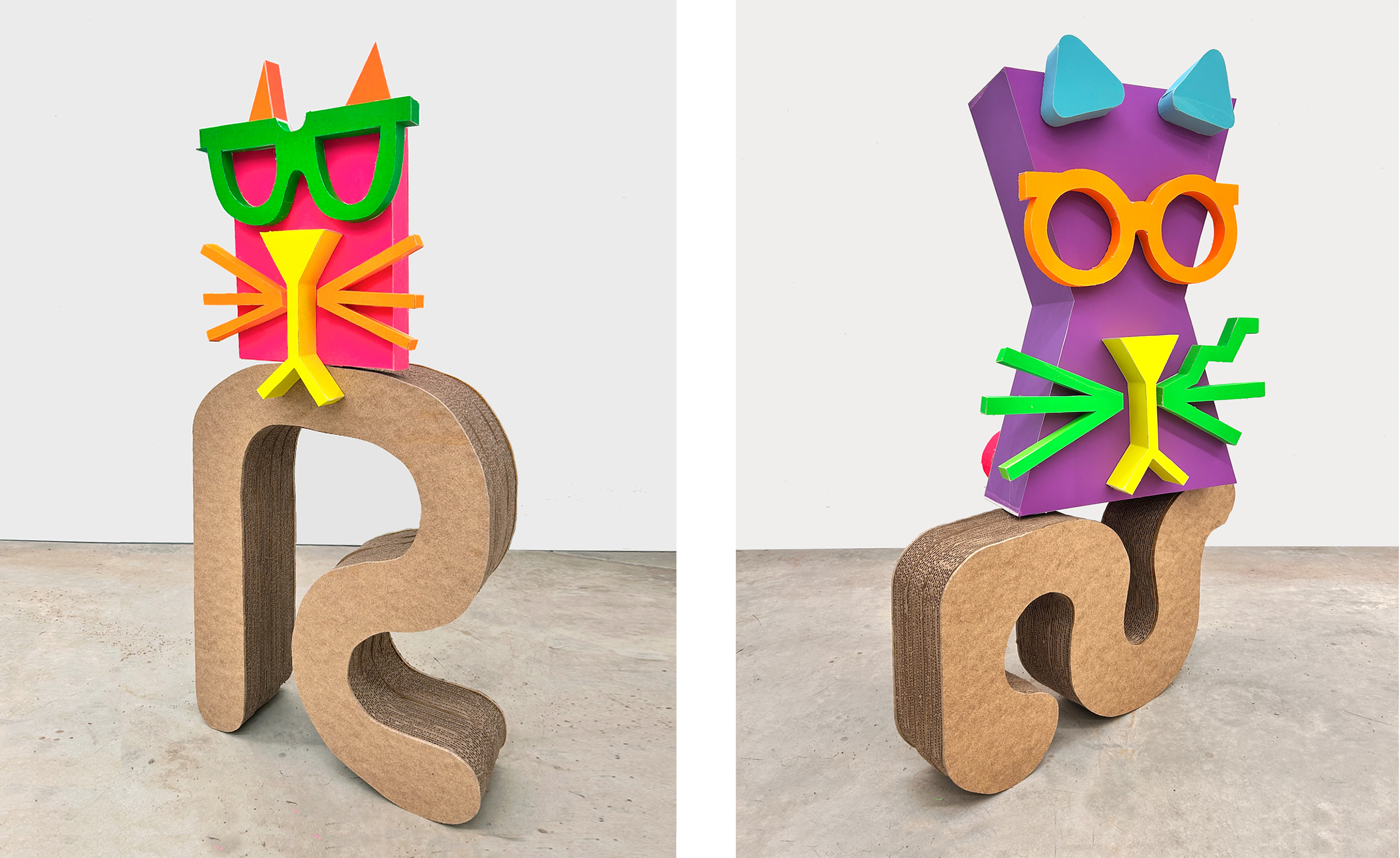
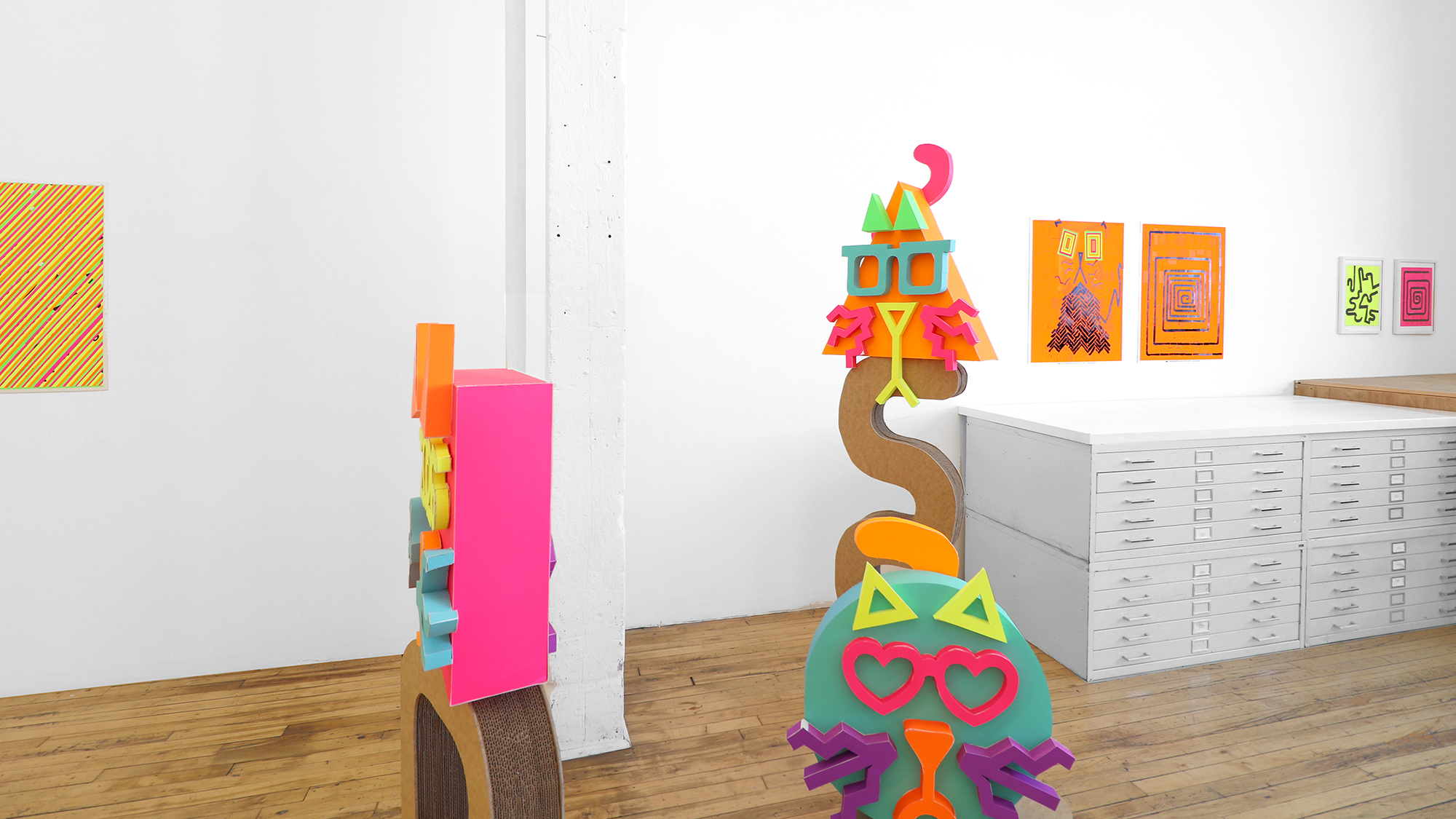
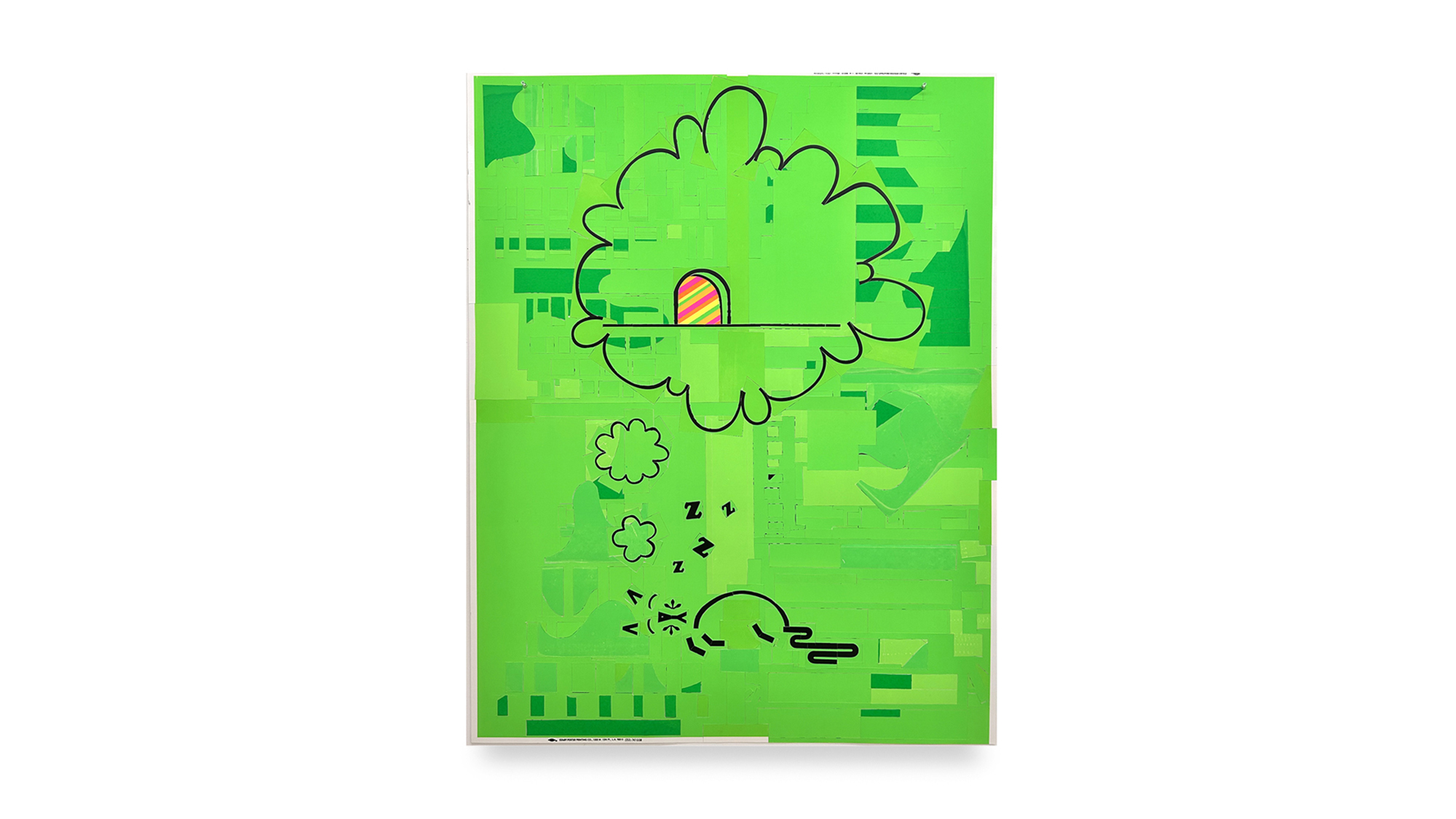
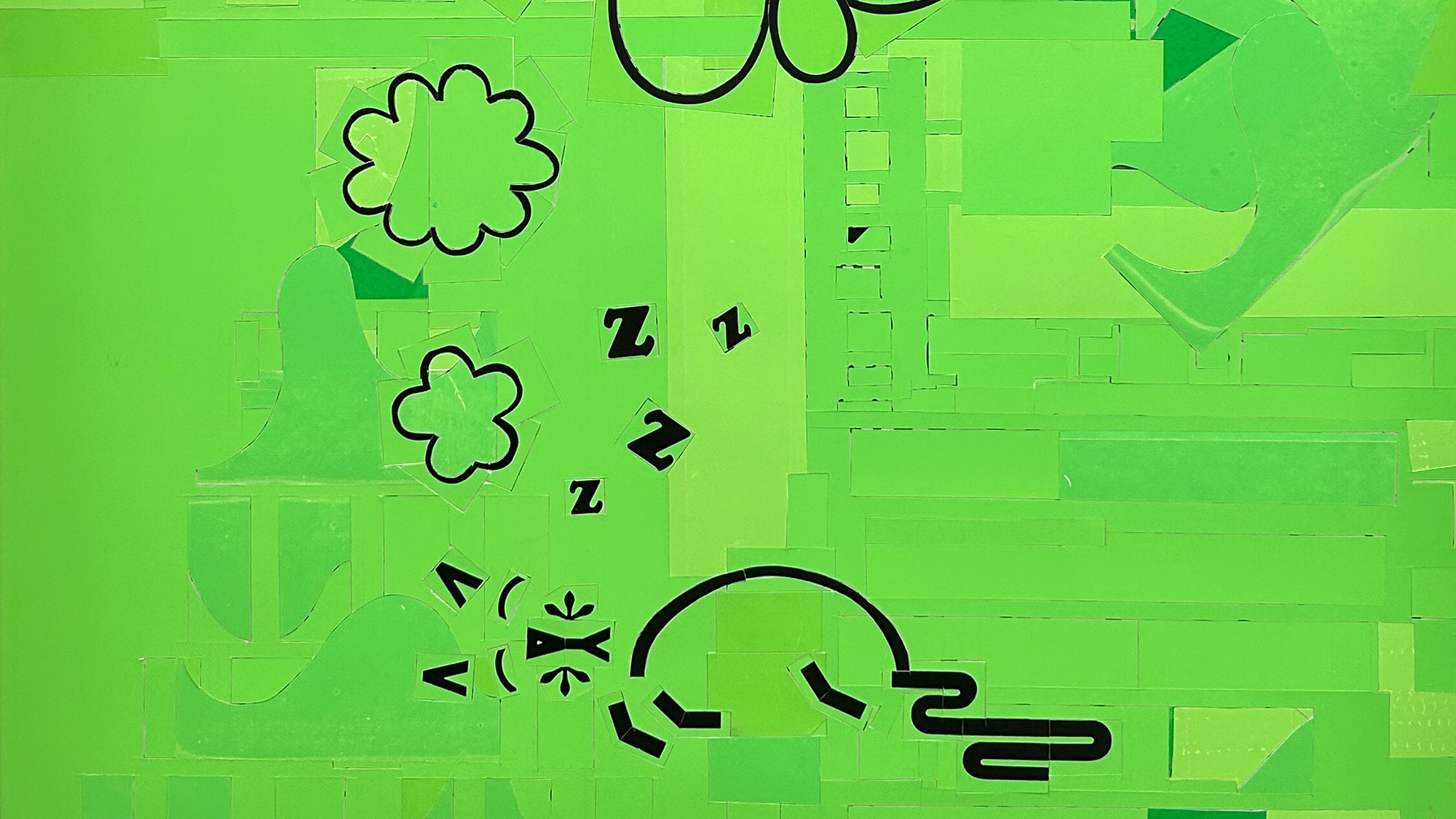
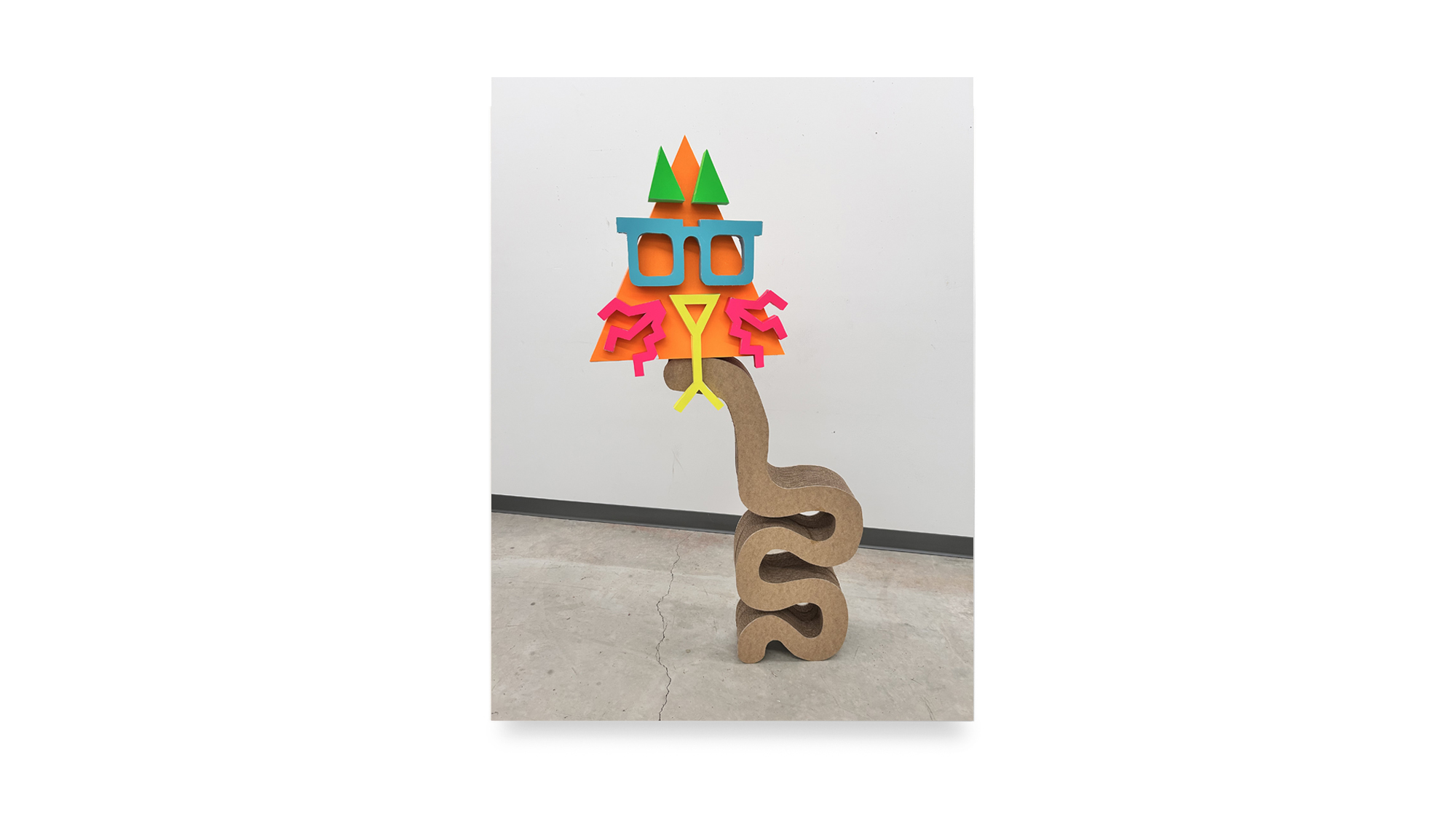
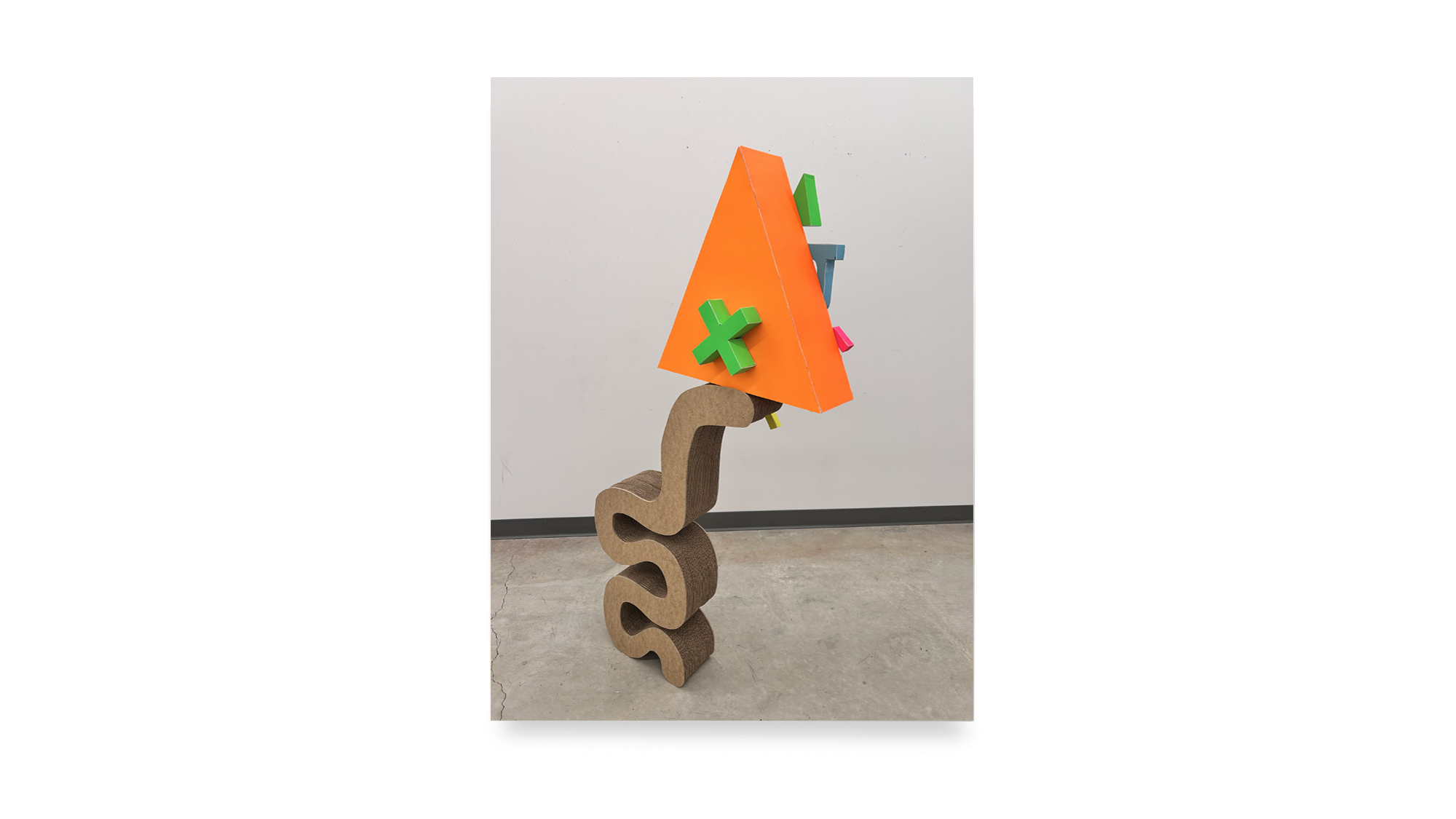
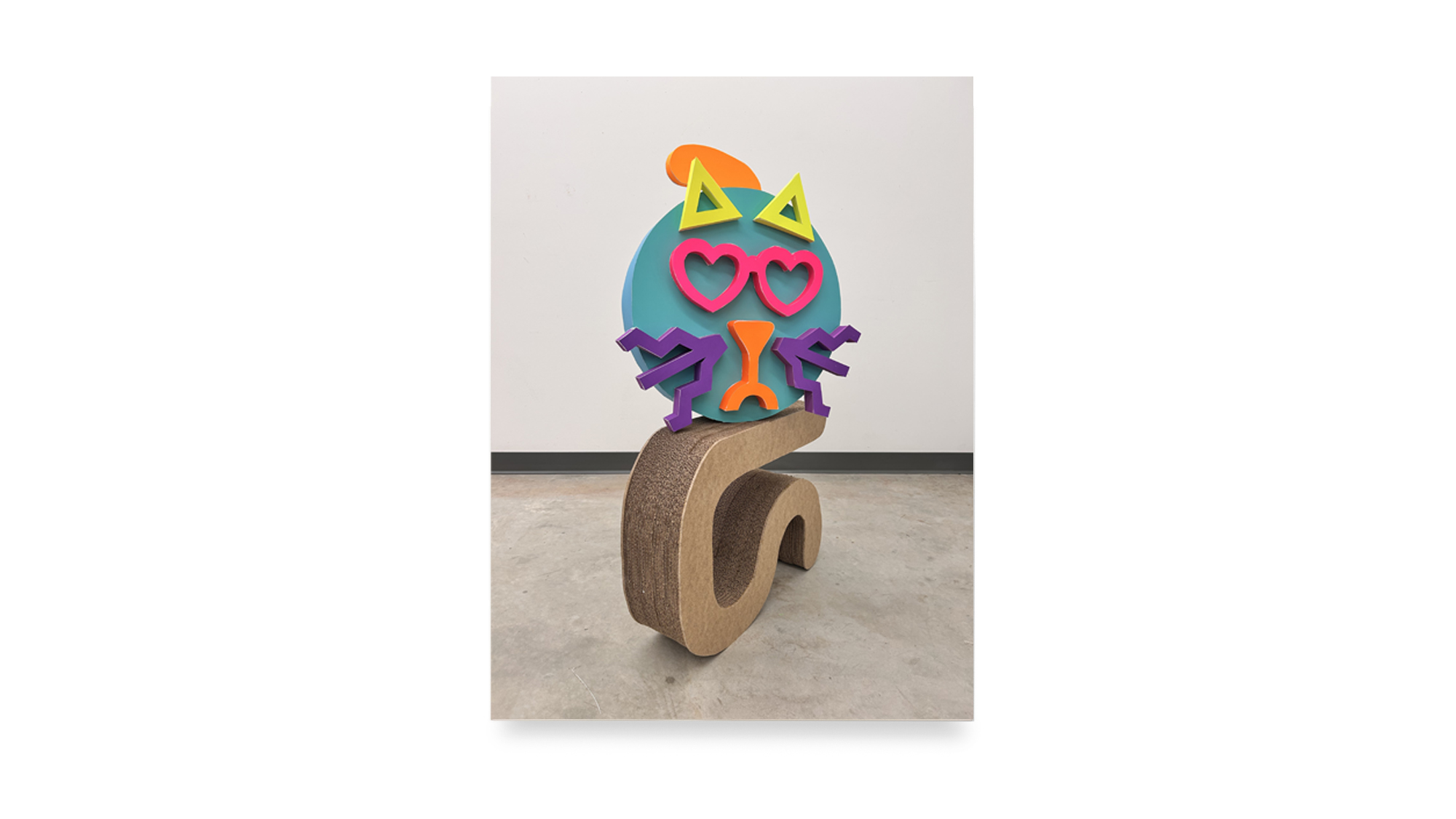
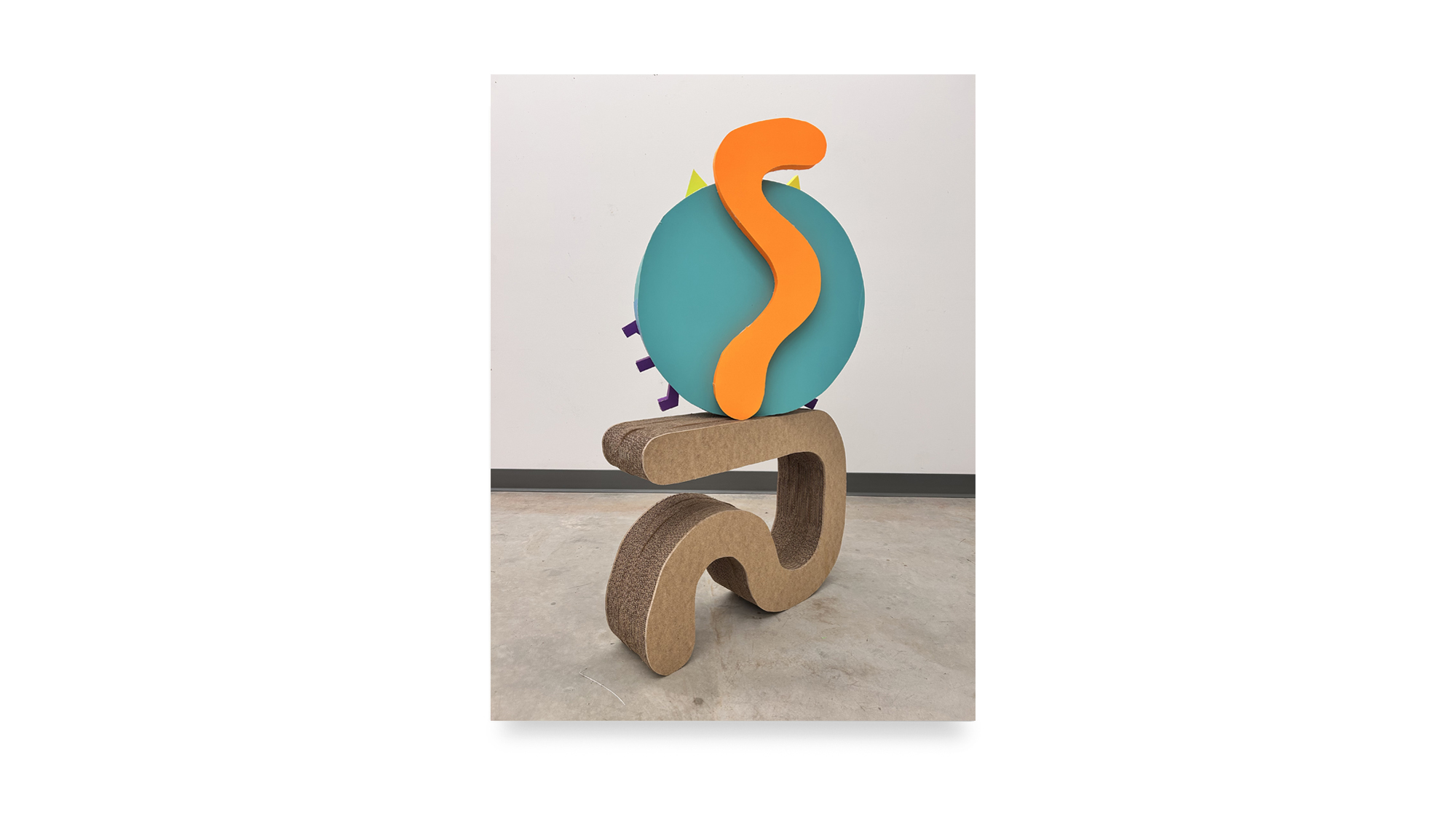
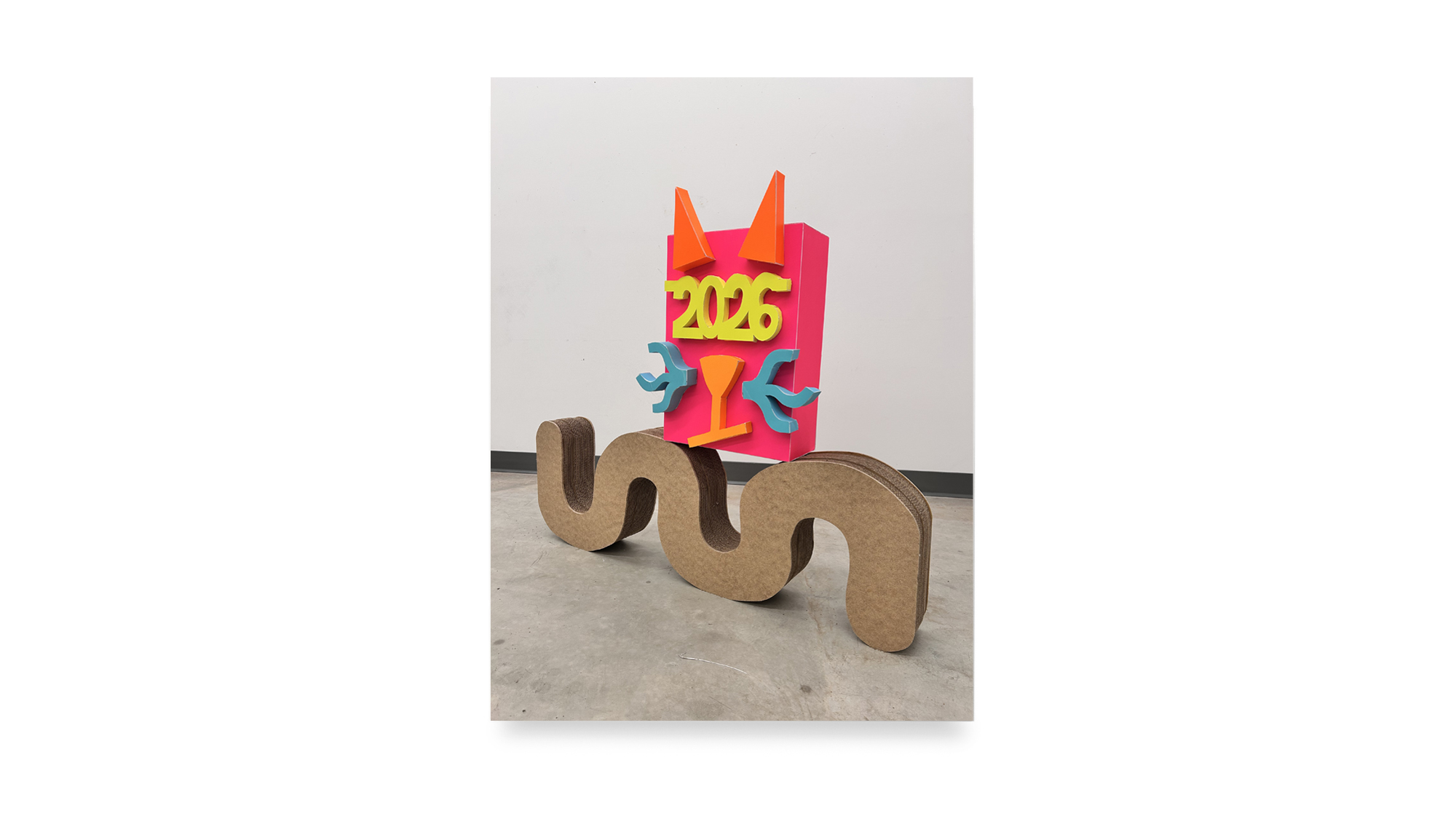
The color palette is expanded through custom silkscreen-printed papers that recreate and subtly extend the Colby palette. In addition to the collages, the exhibition includes a series of colorful paper sculptures of cat heads. Each sculpture is assembled from multiple components—such as sunglasses, ears, whiskers, noses, and mounts—constructed from different colored papers. The heads sit atop laminated cardboard and Masonite bases shaped like exaggerated cat tails, nodding to the undulating forms of Frank Gehry’s Wiggle Chairs from the 1990s.
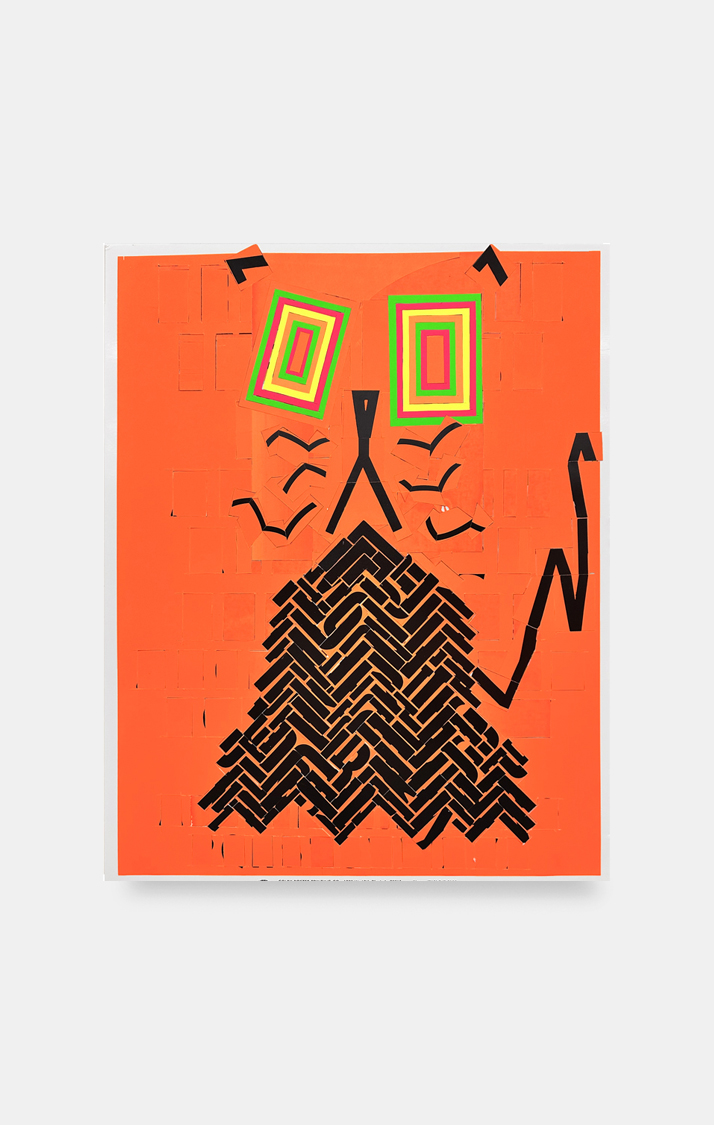
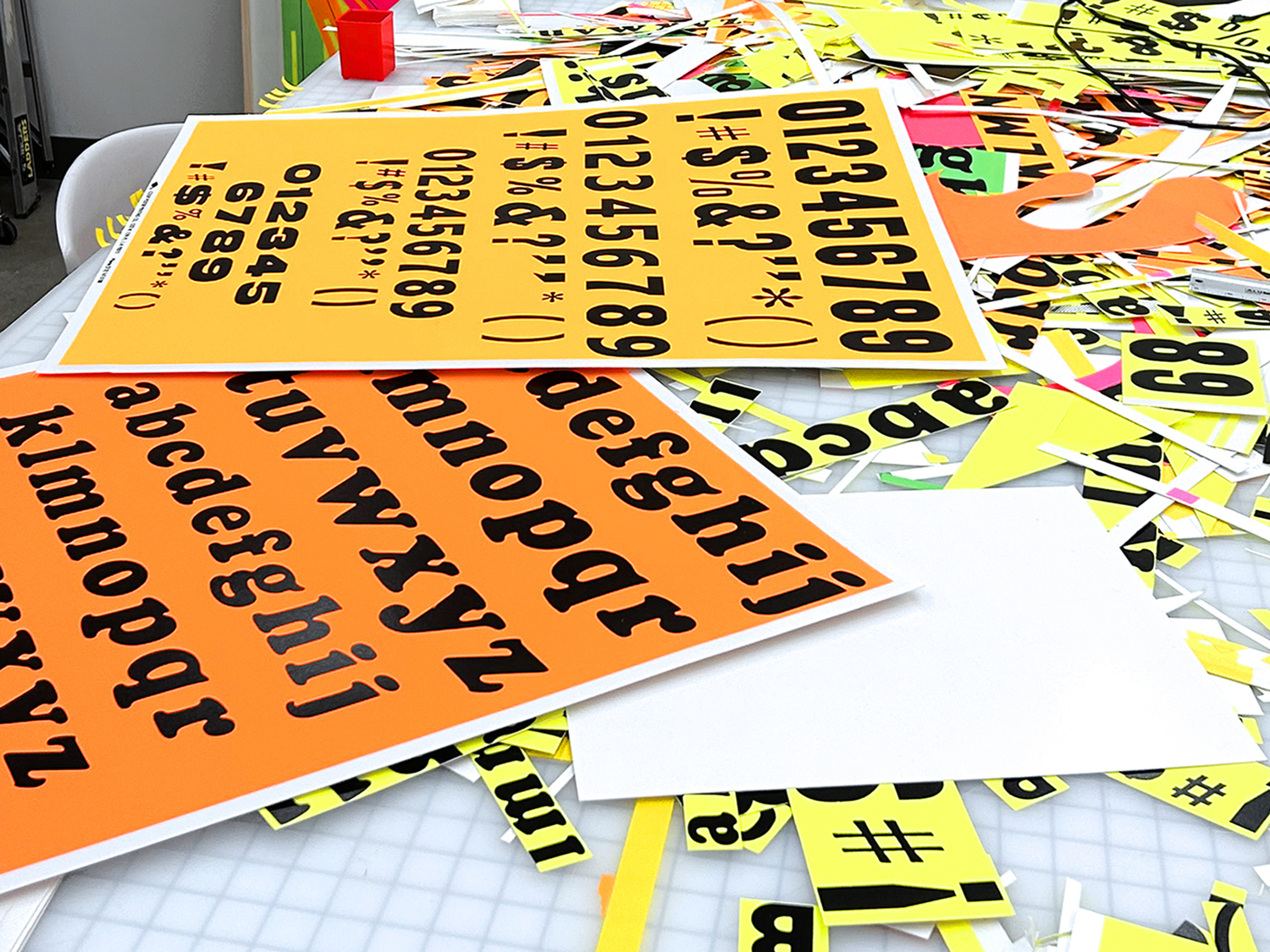
Across both wall-based and sculptural works, Catalog foregrounds cutting, recombination, and serial variation. Like flipping through a print magazine or mail-order catalog, the exhibition unfolds as a sequence of related objects that reward sustained looking while resisting fixity.