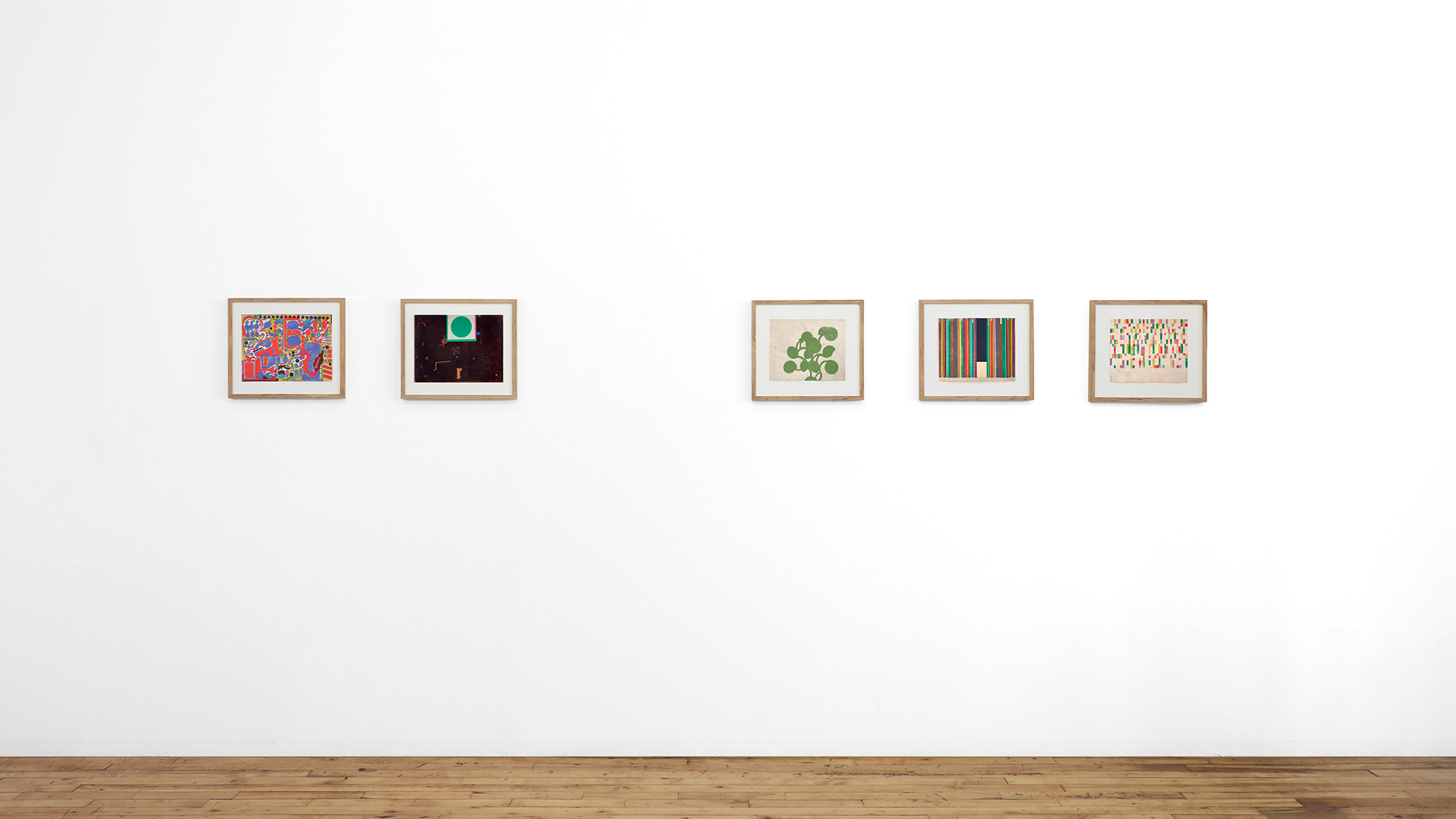
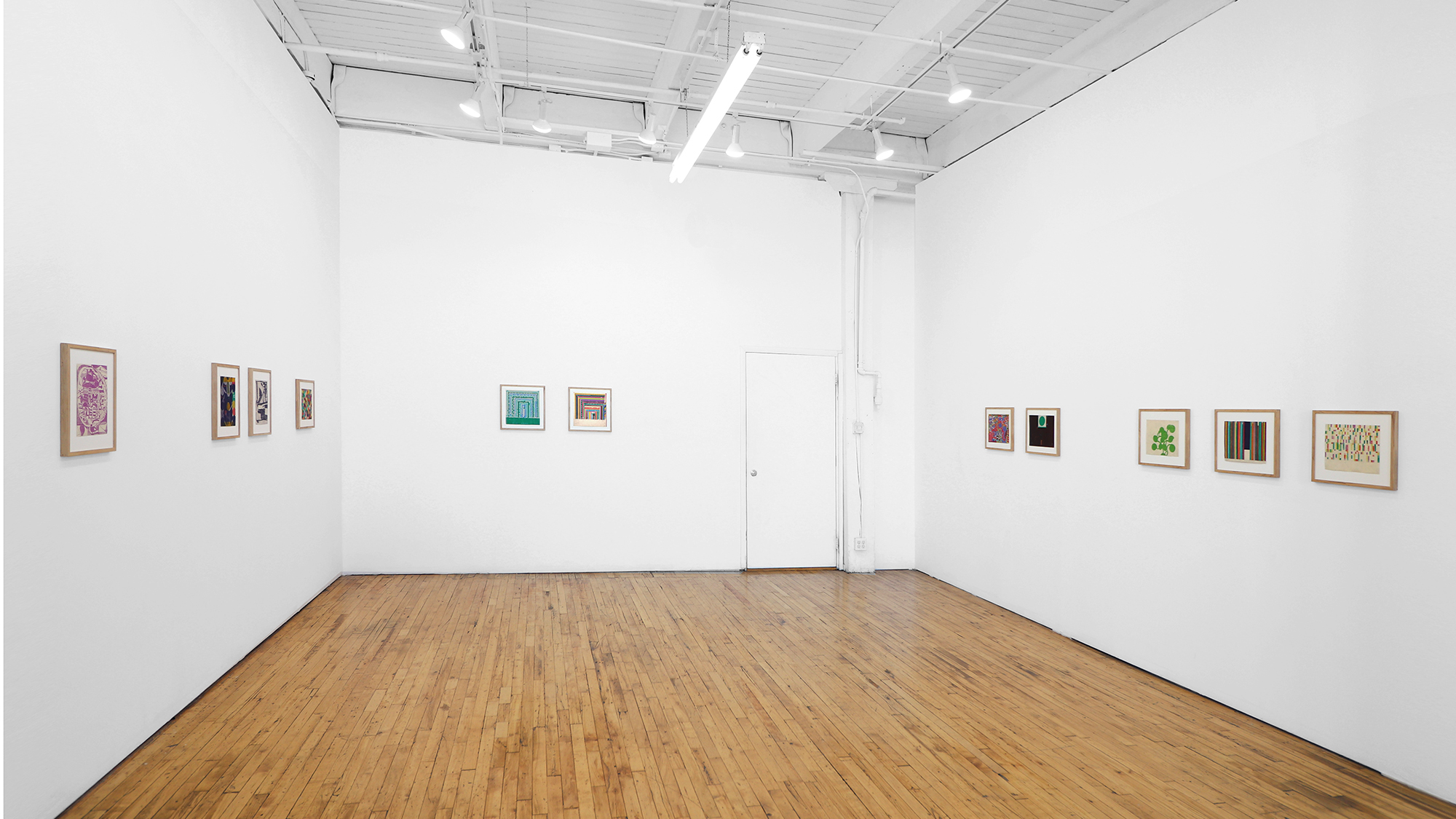
SEAN SULLIVAN | Kitchen Harmonics | December 7 – January 10, 2026
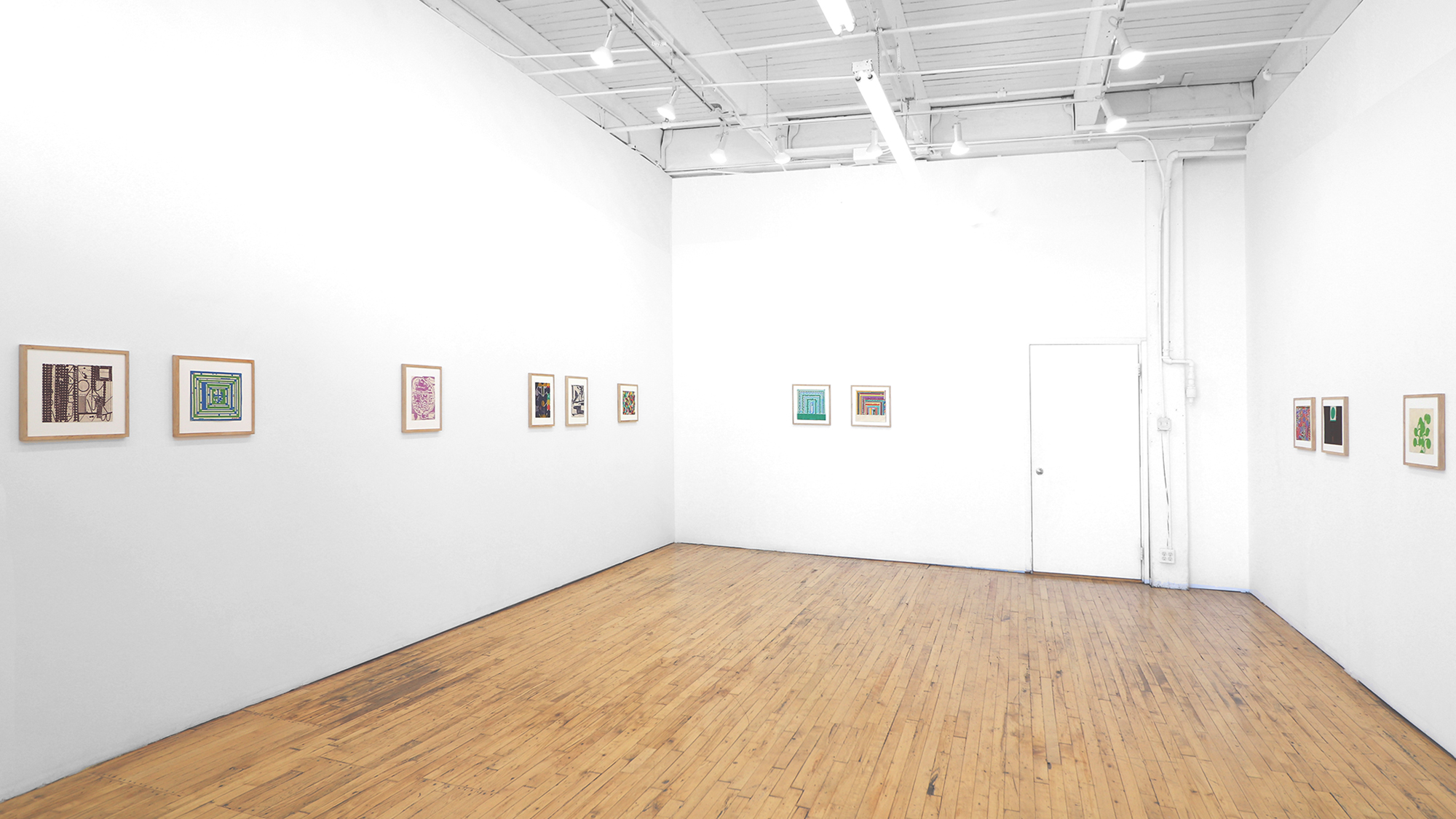

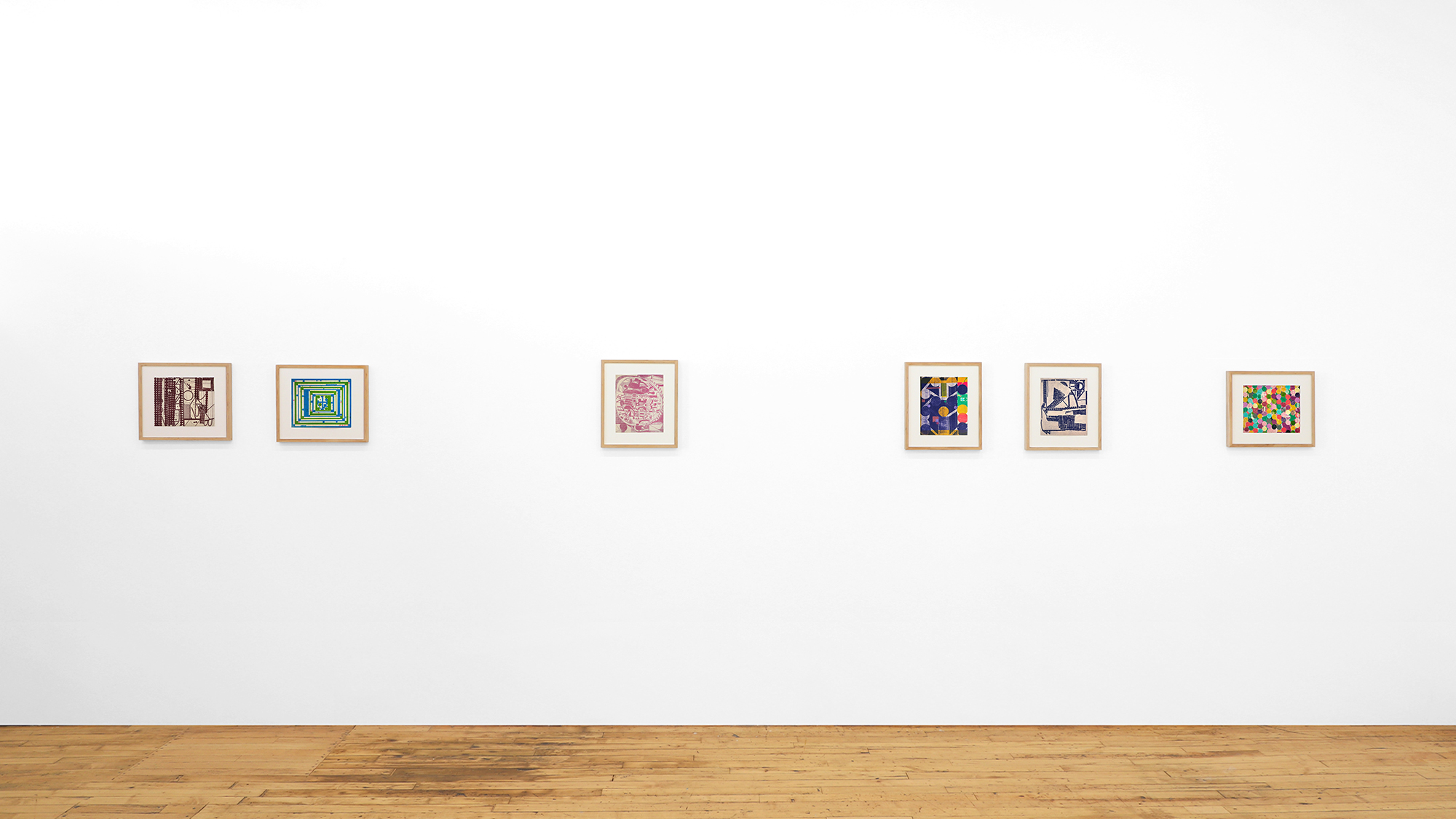
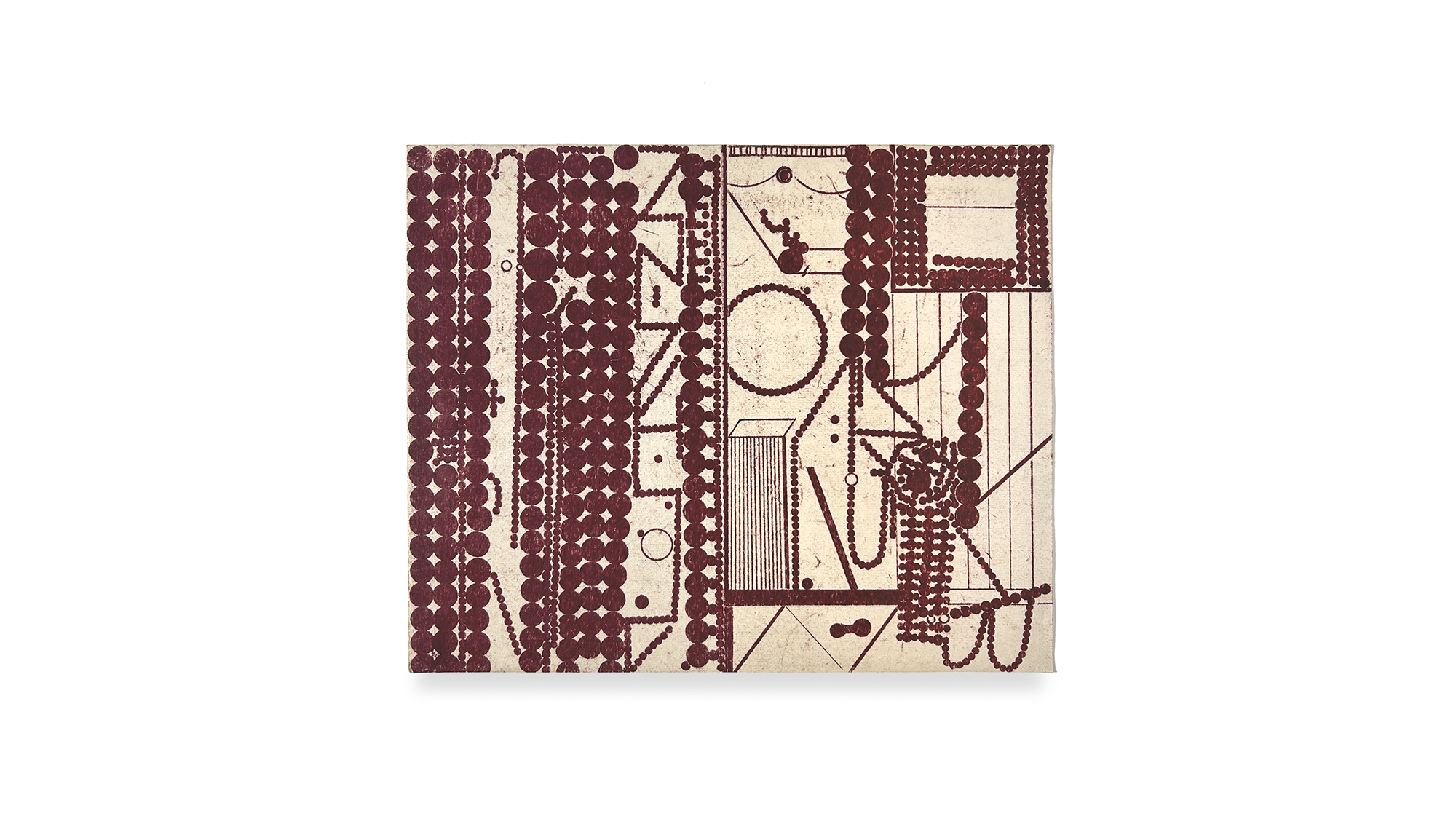
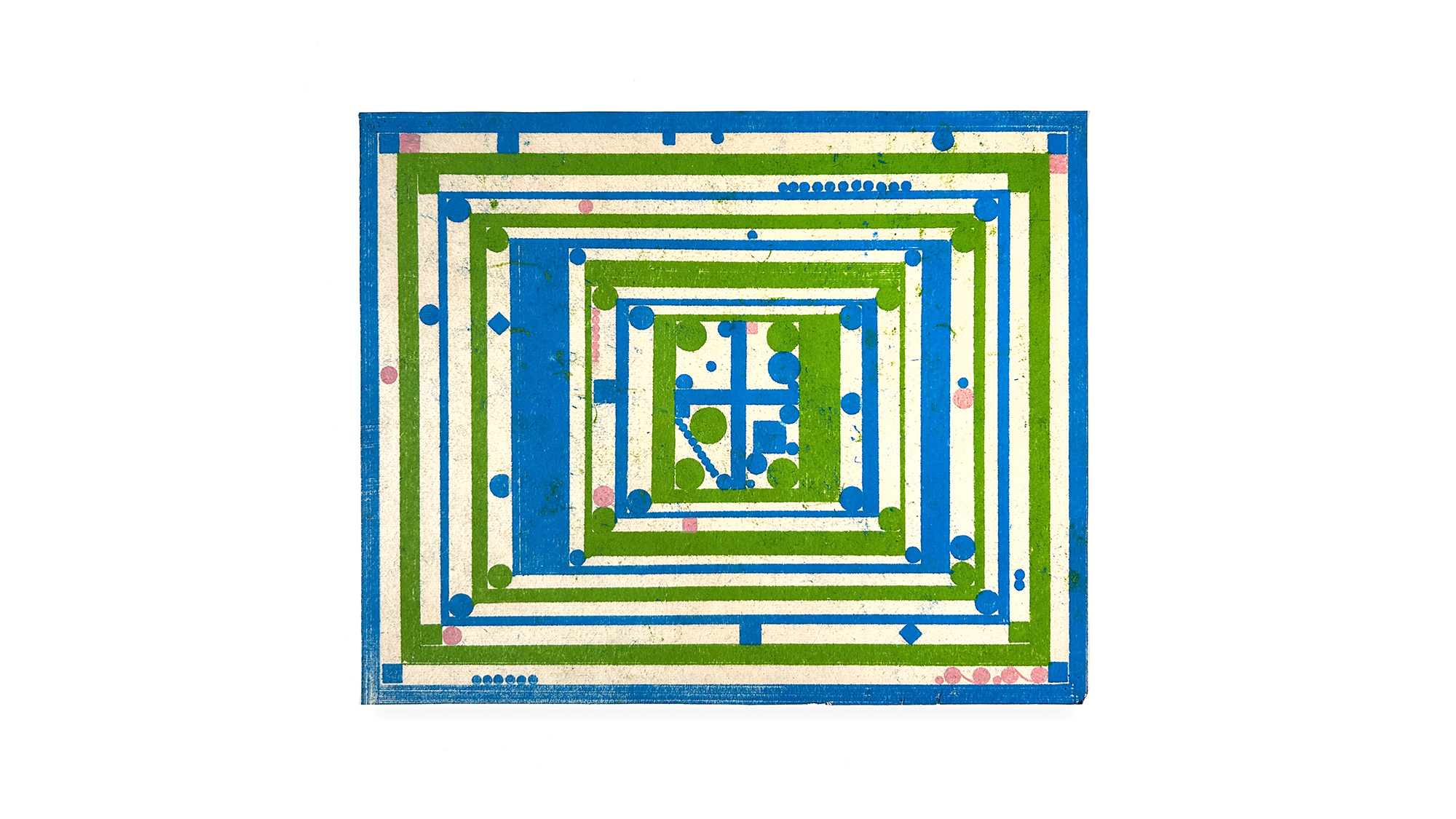
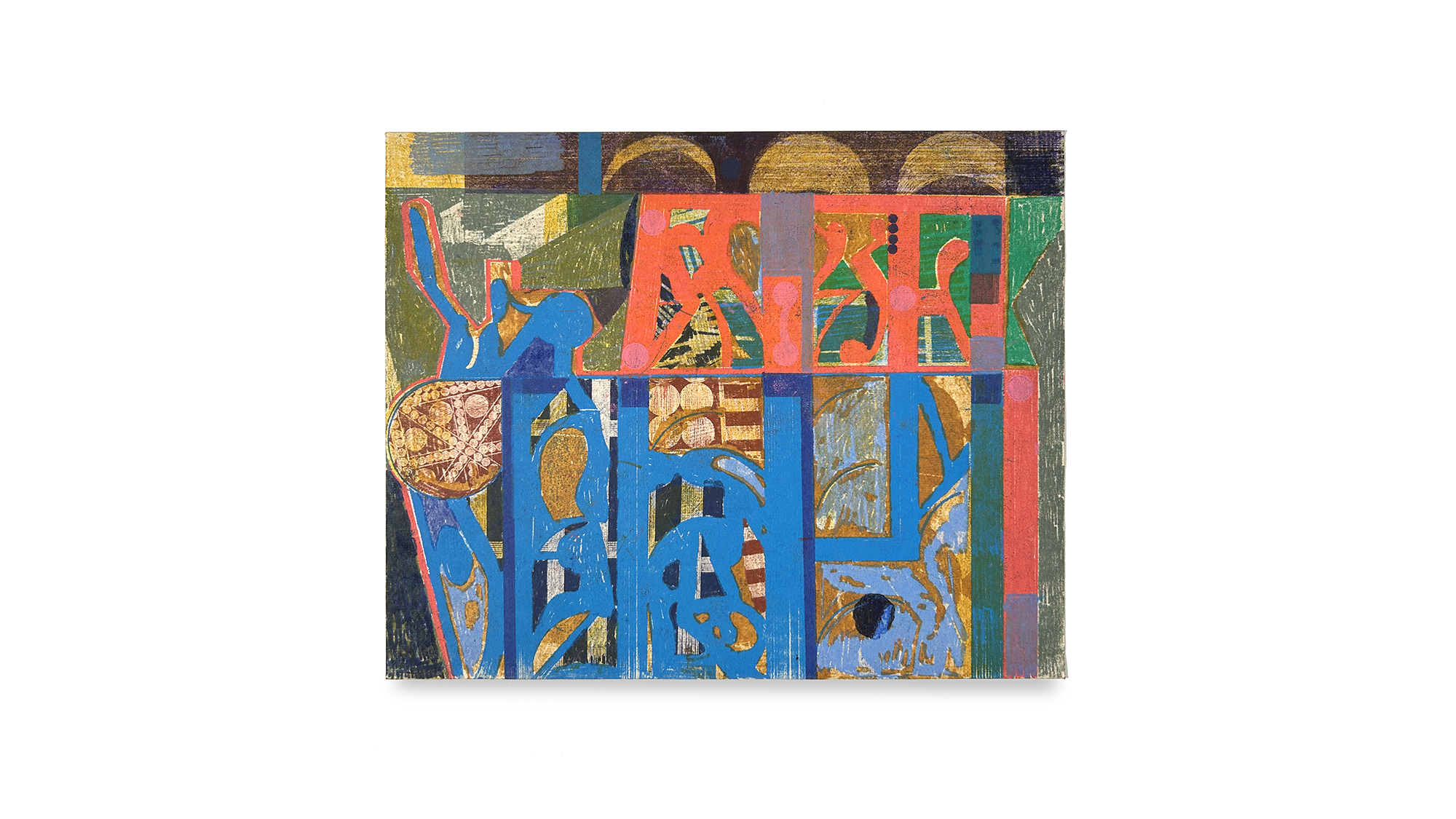
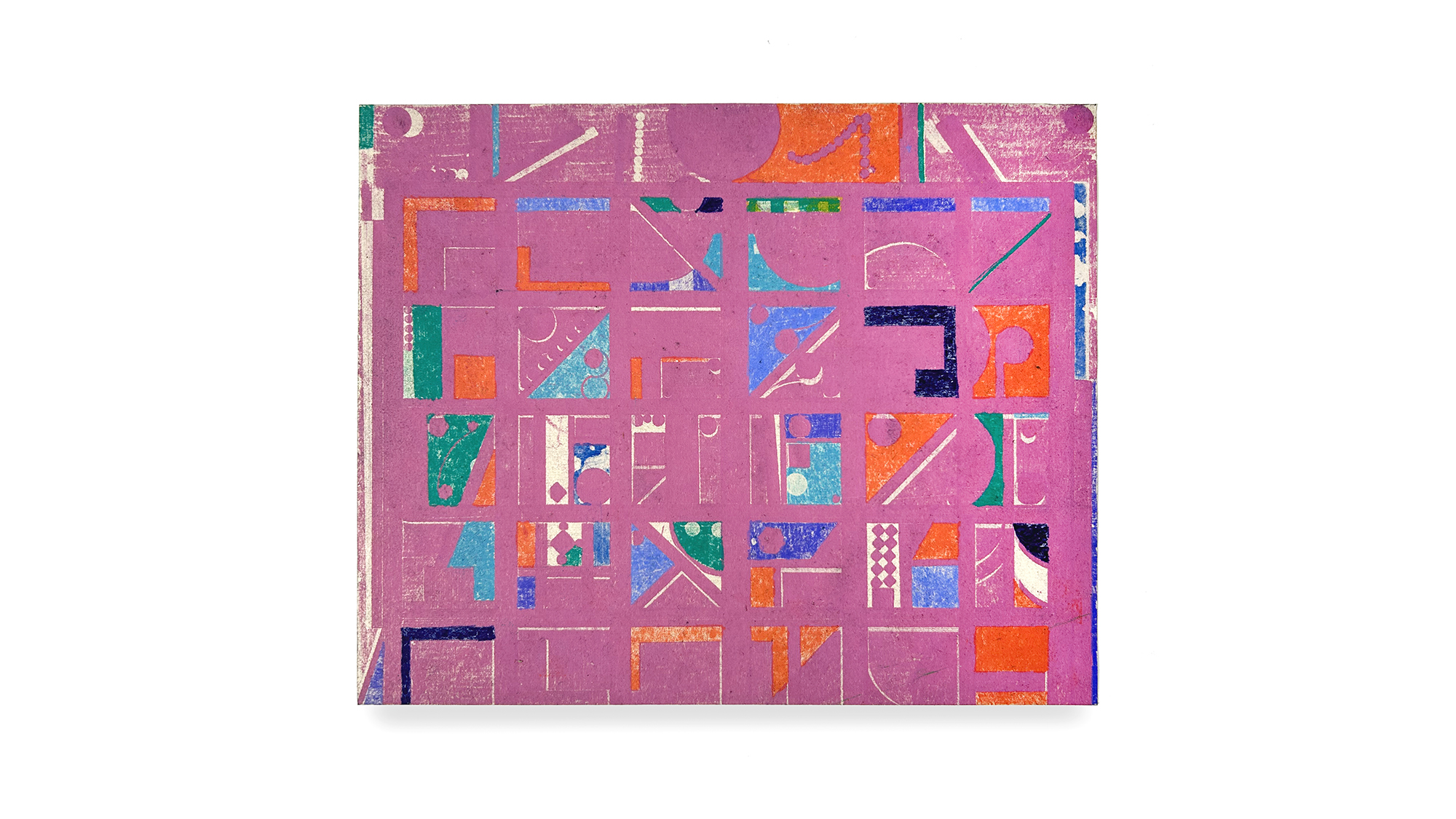
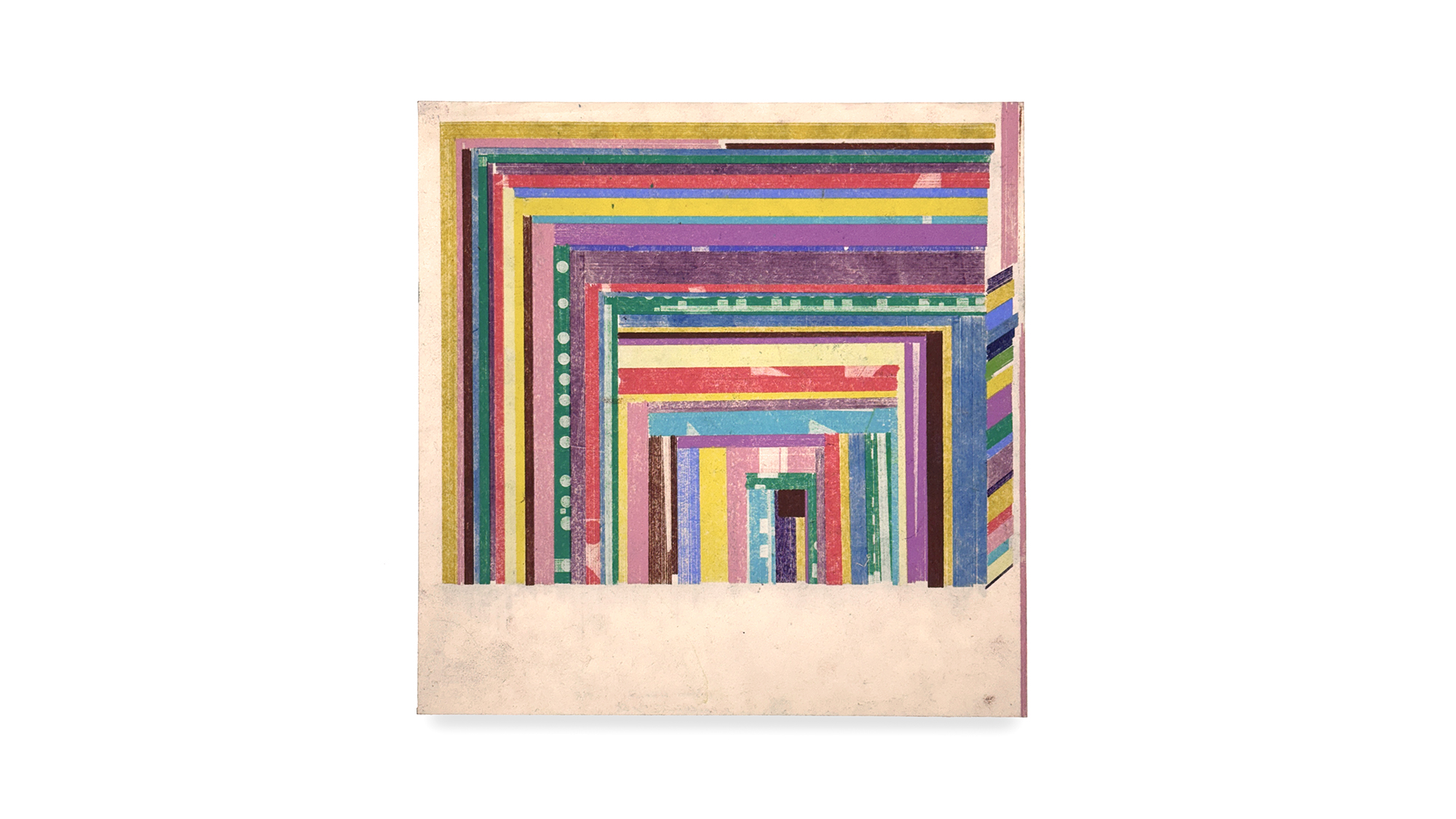
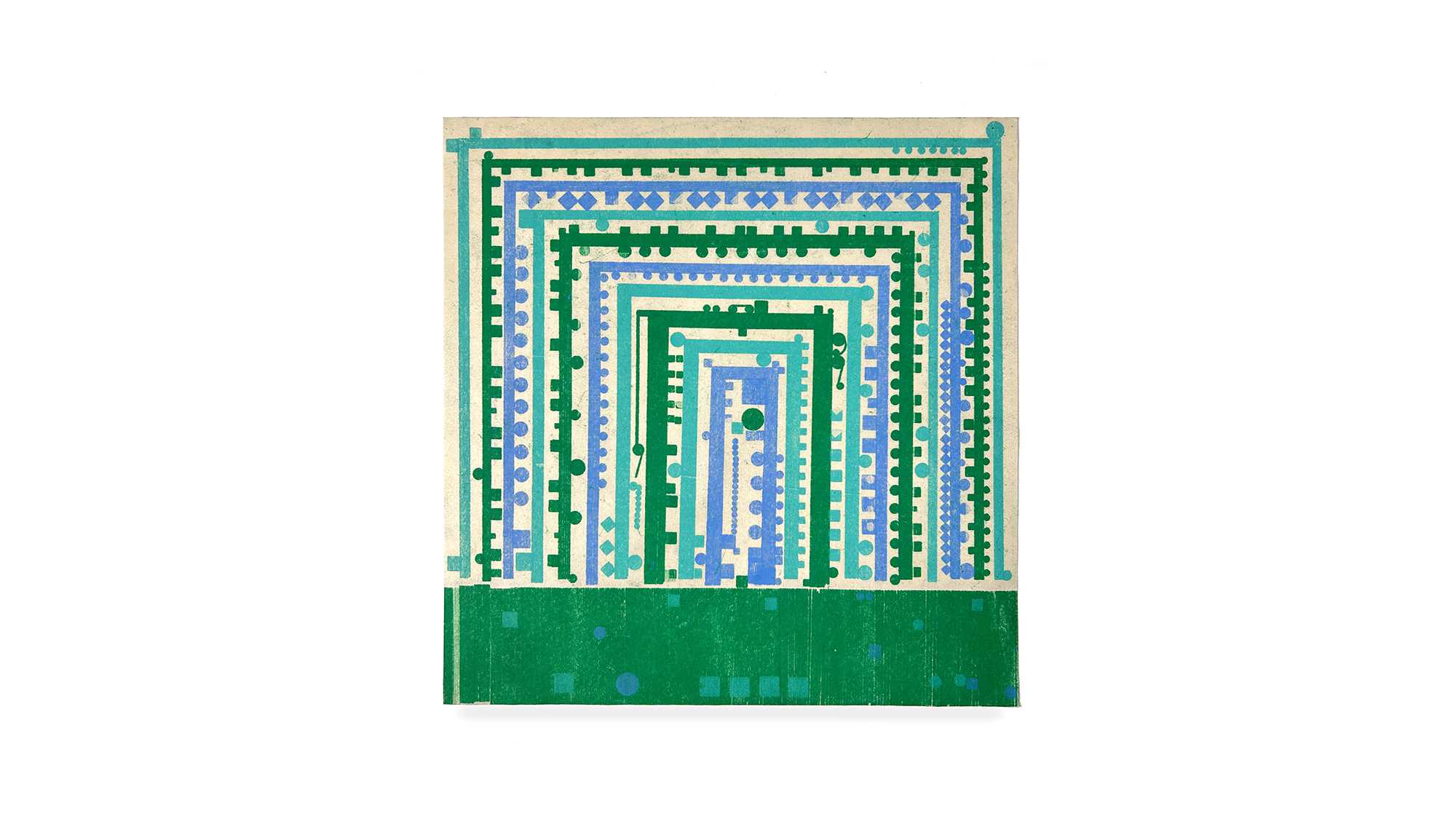
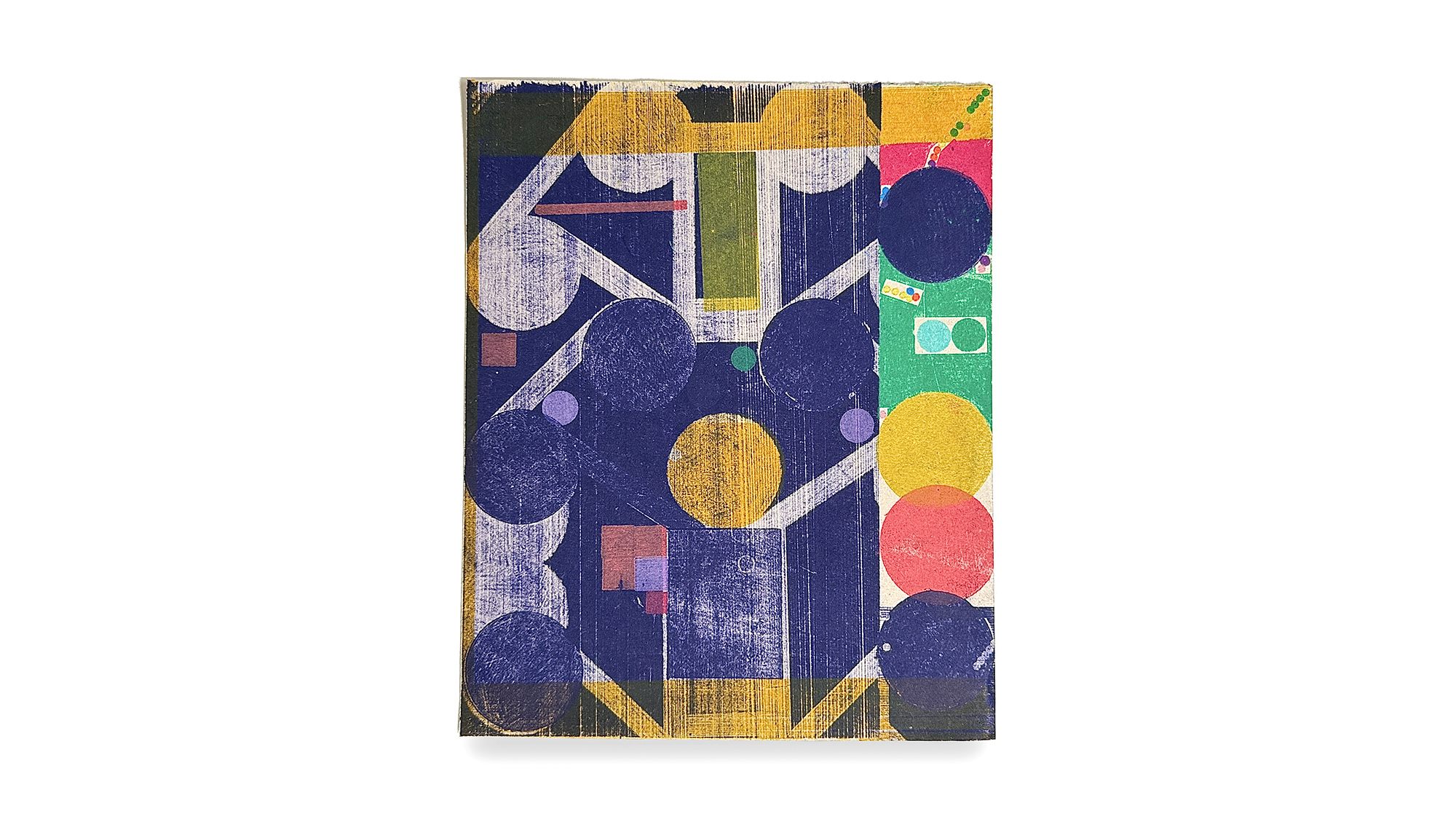
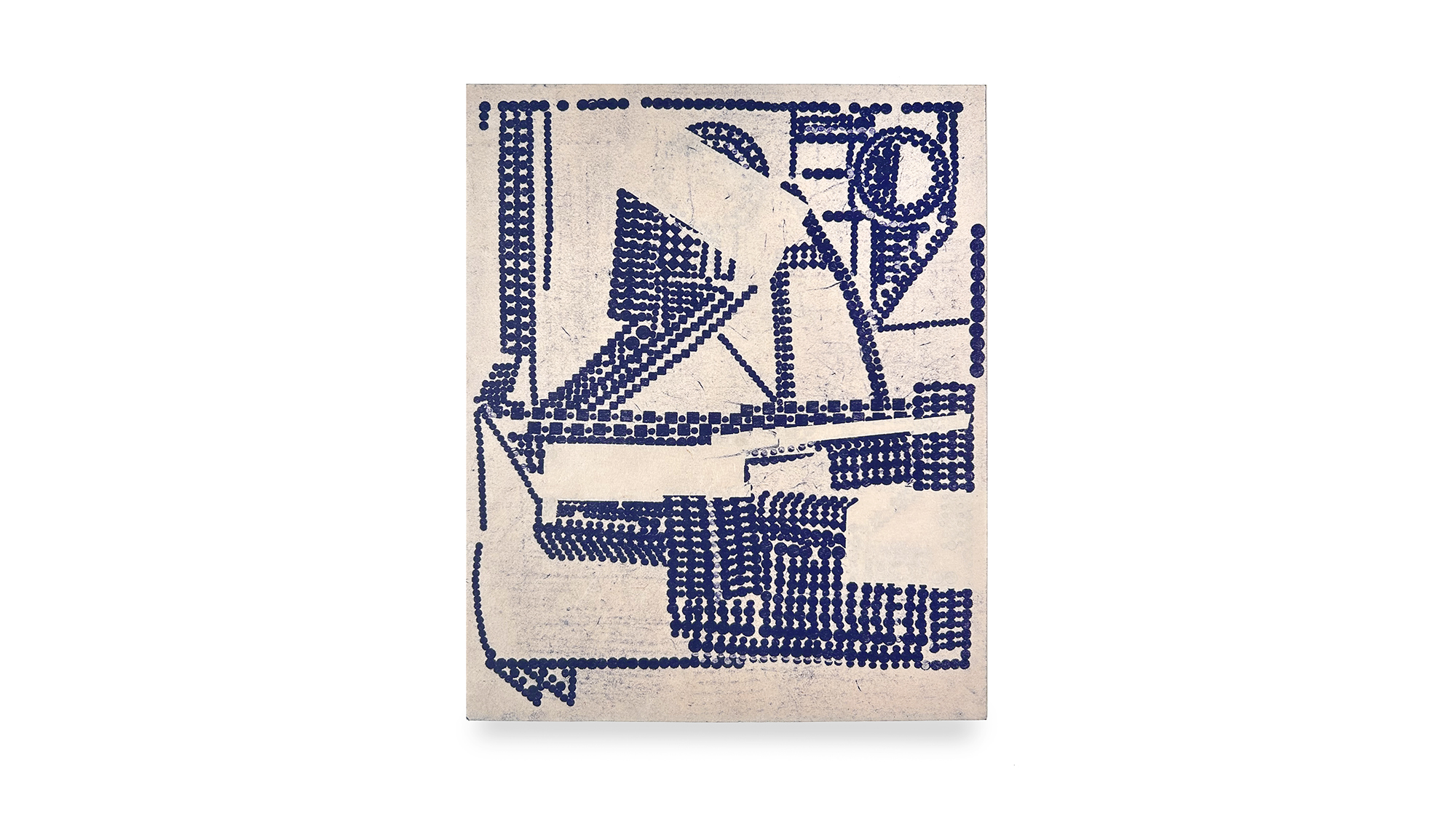
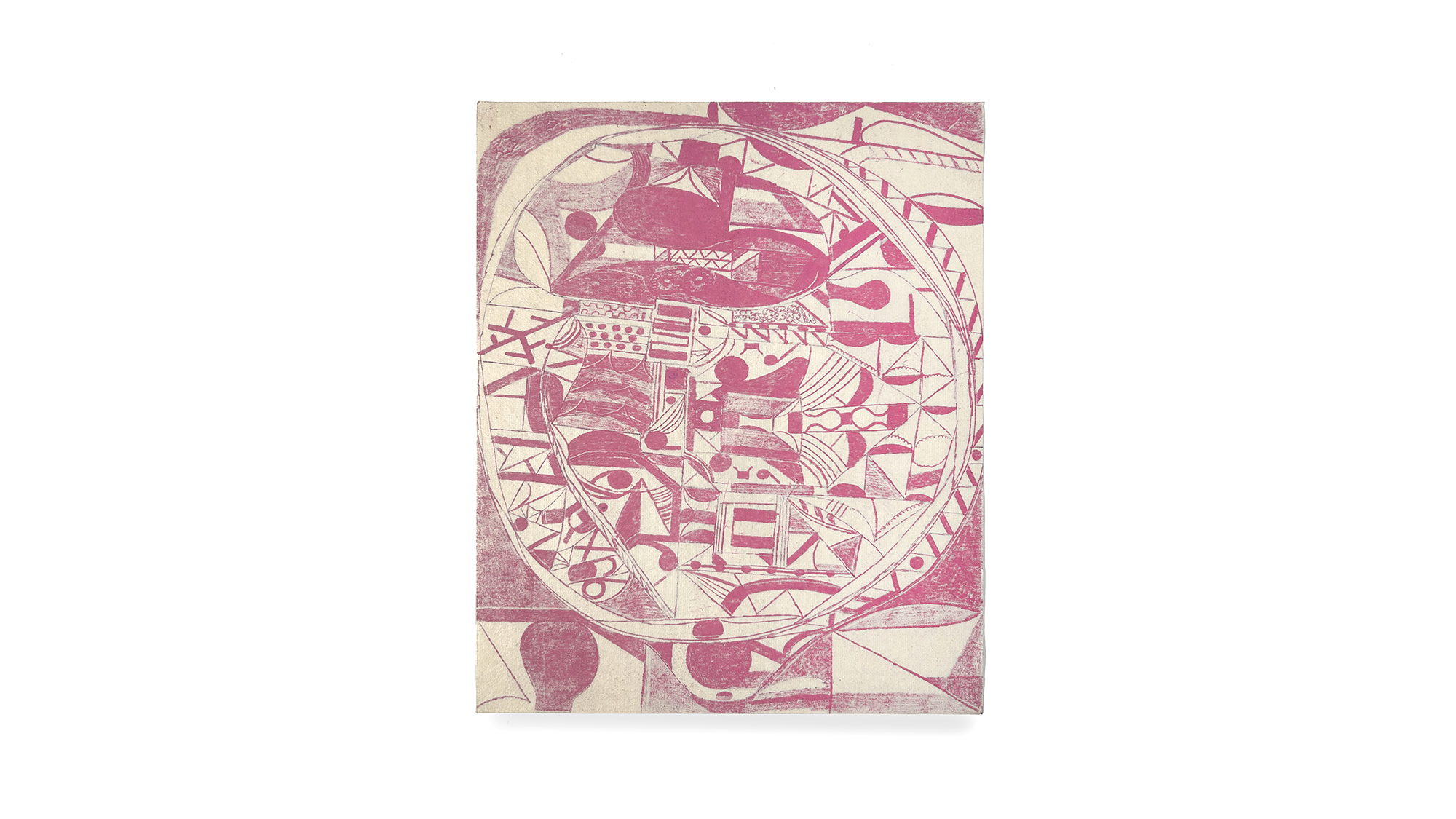
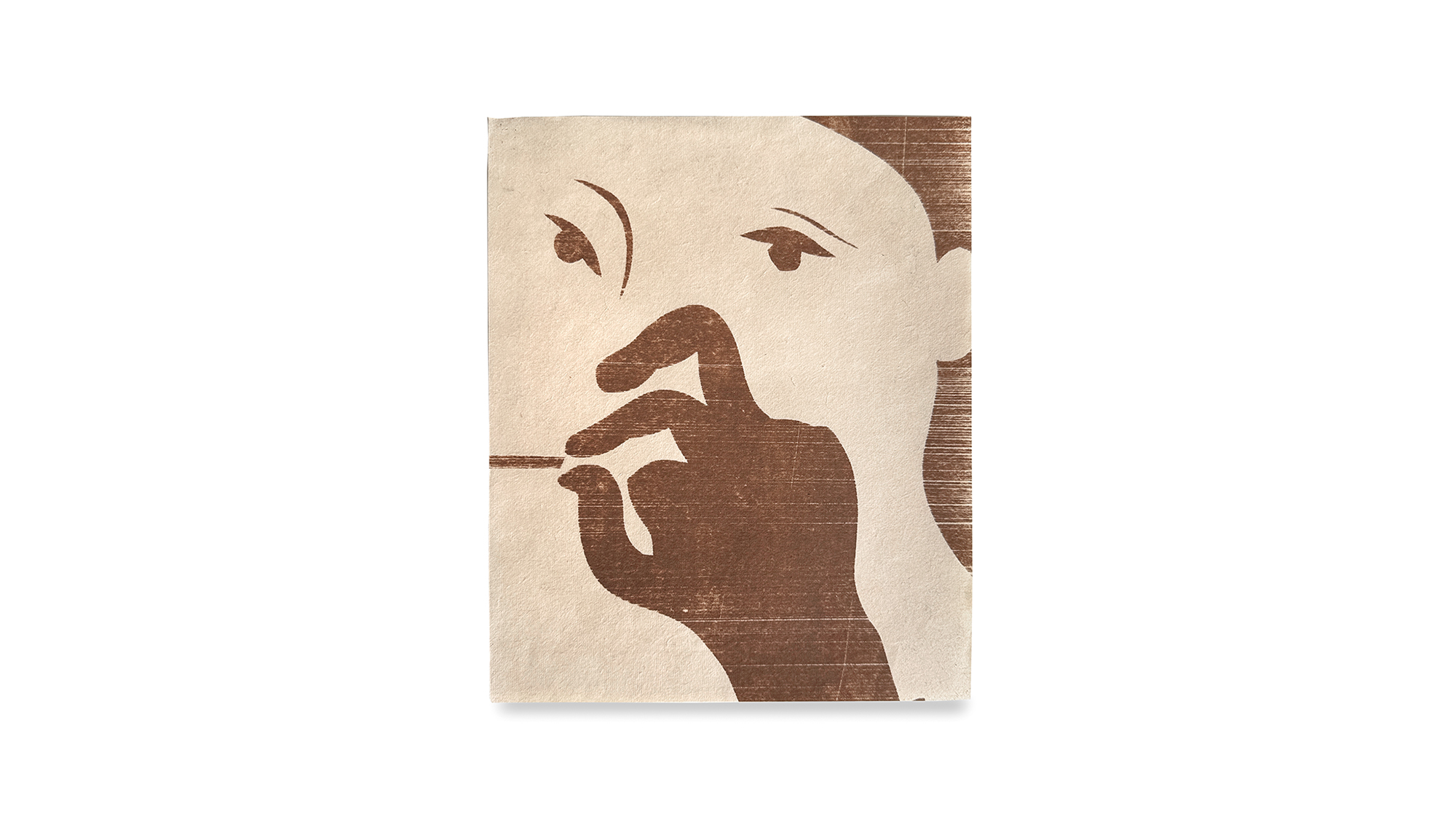
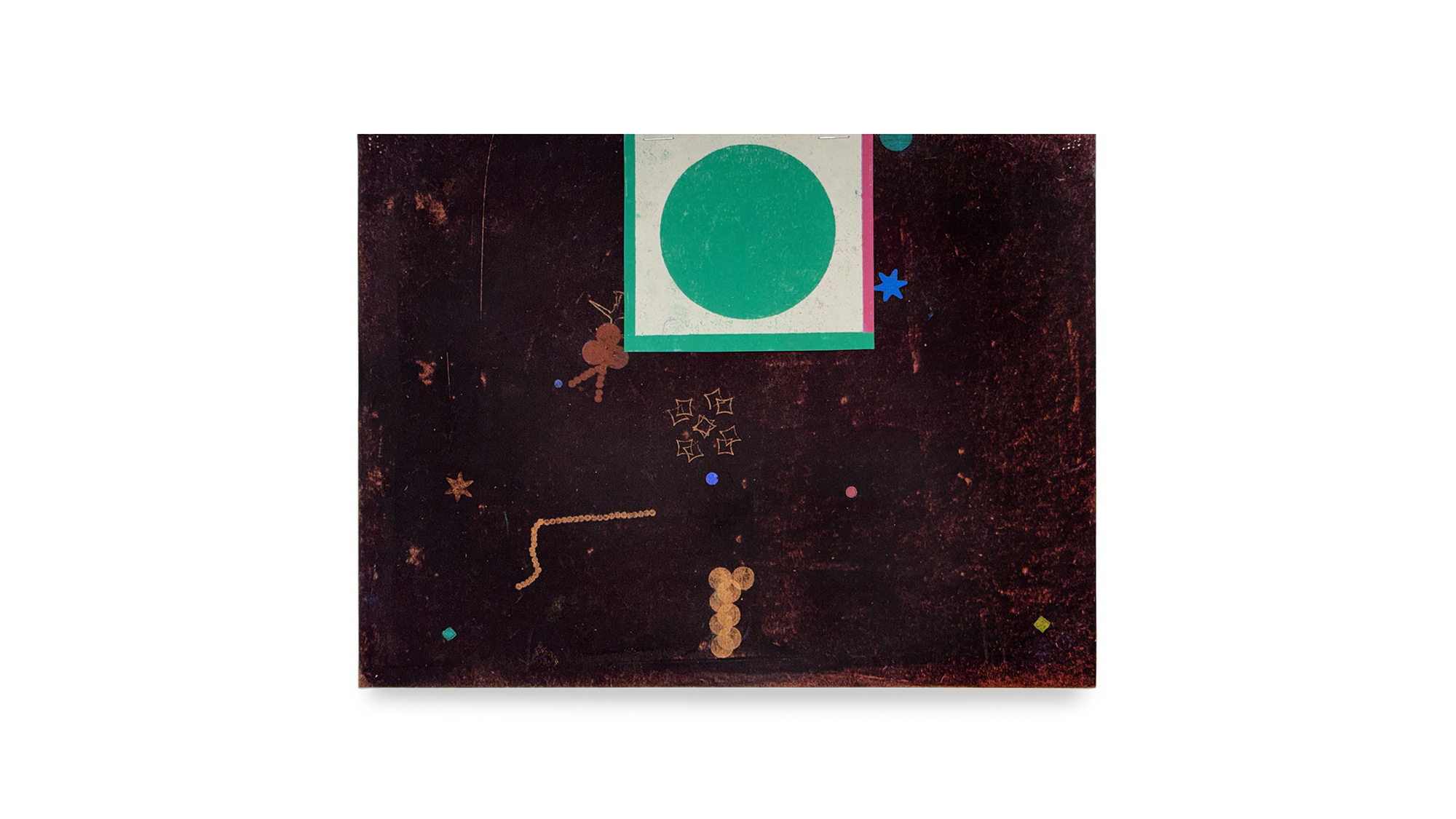
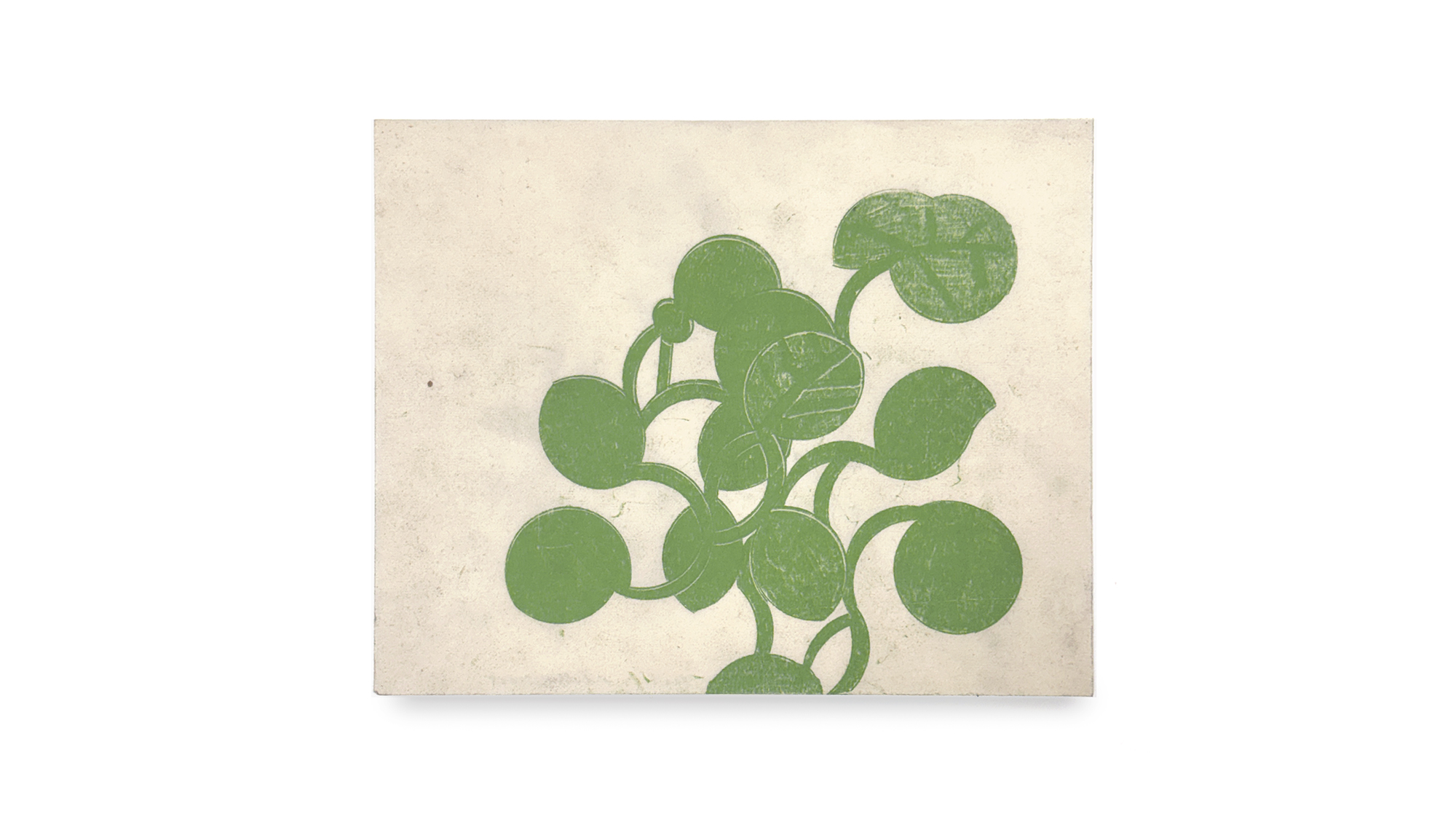
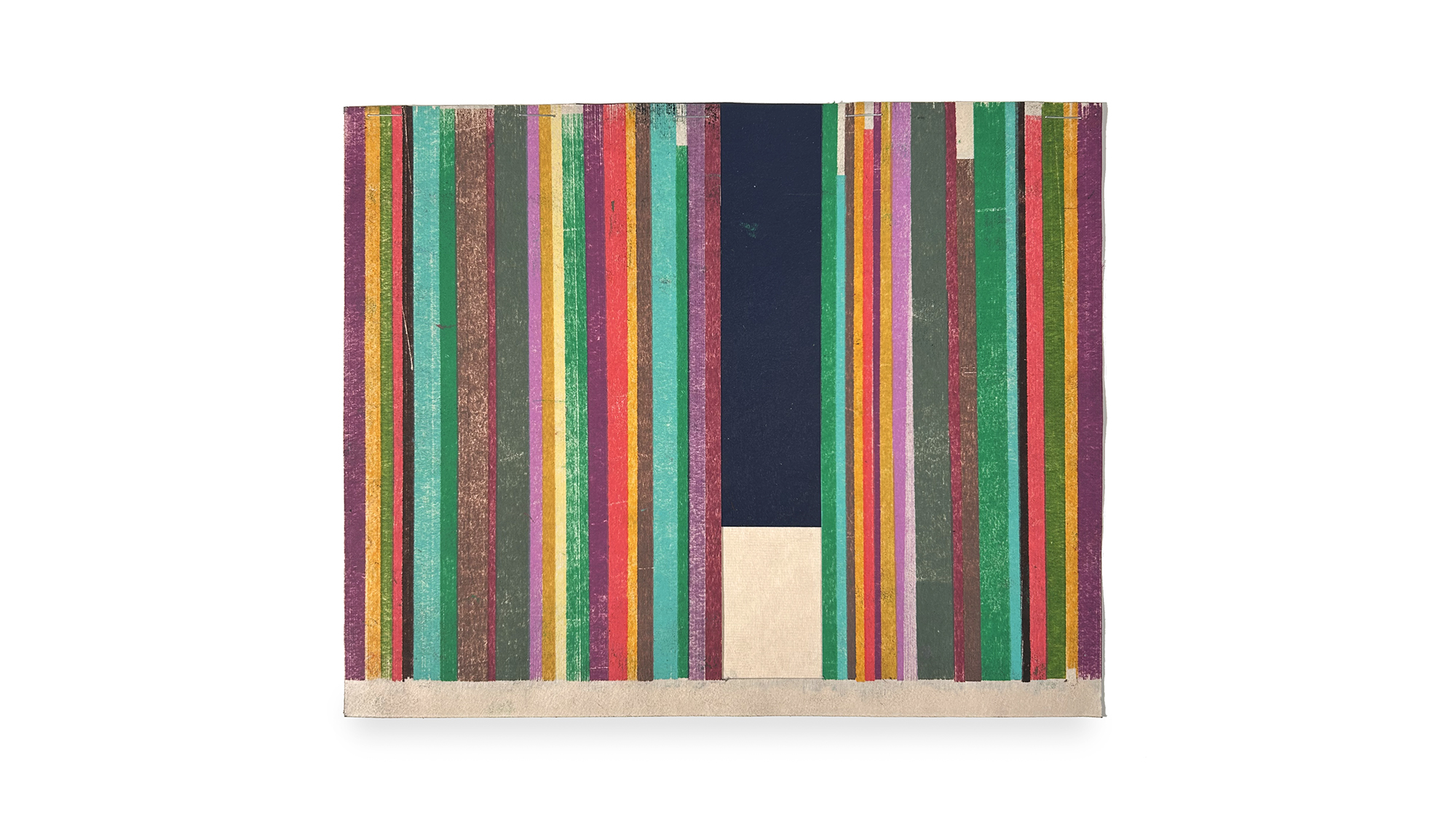
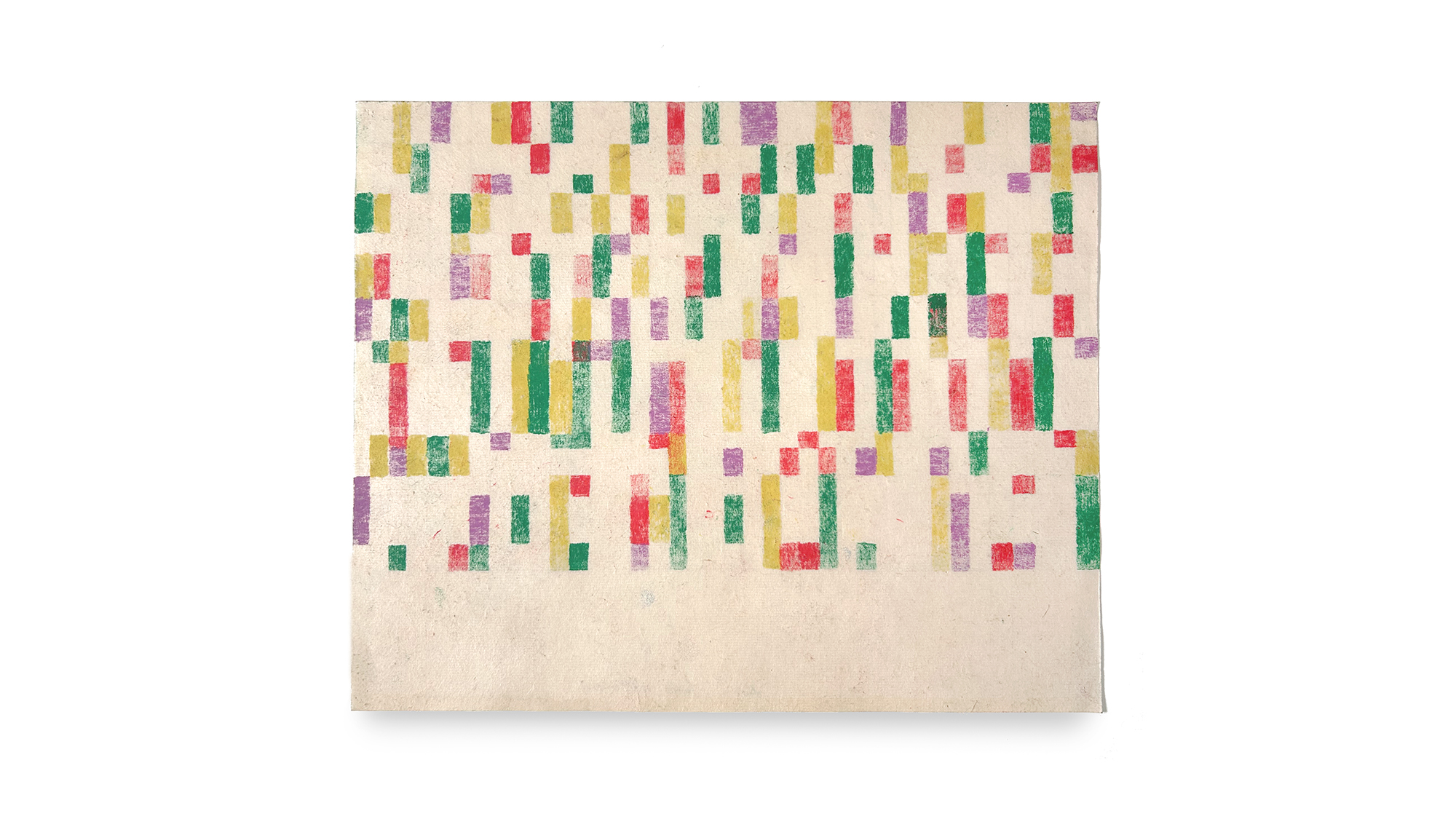
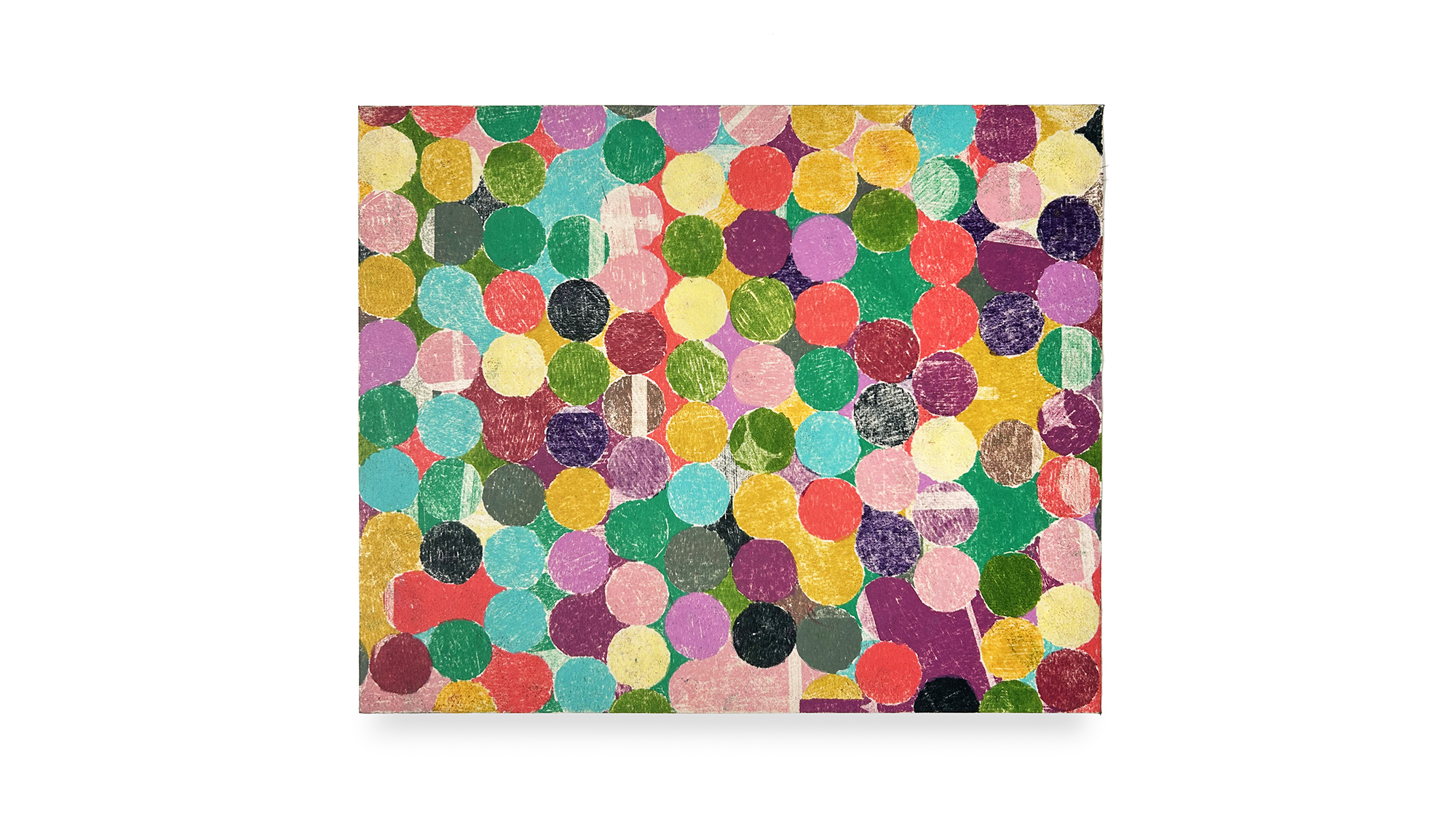
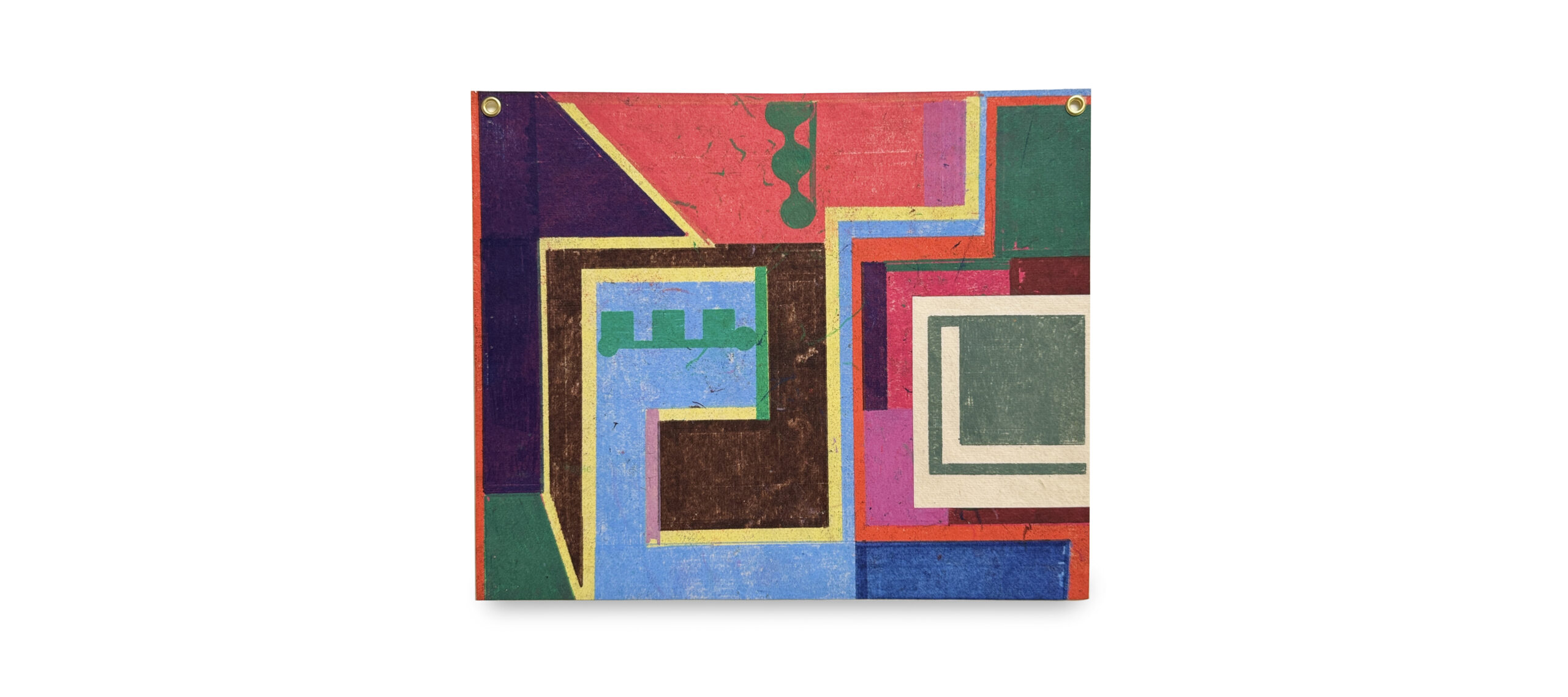
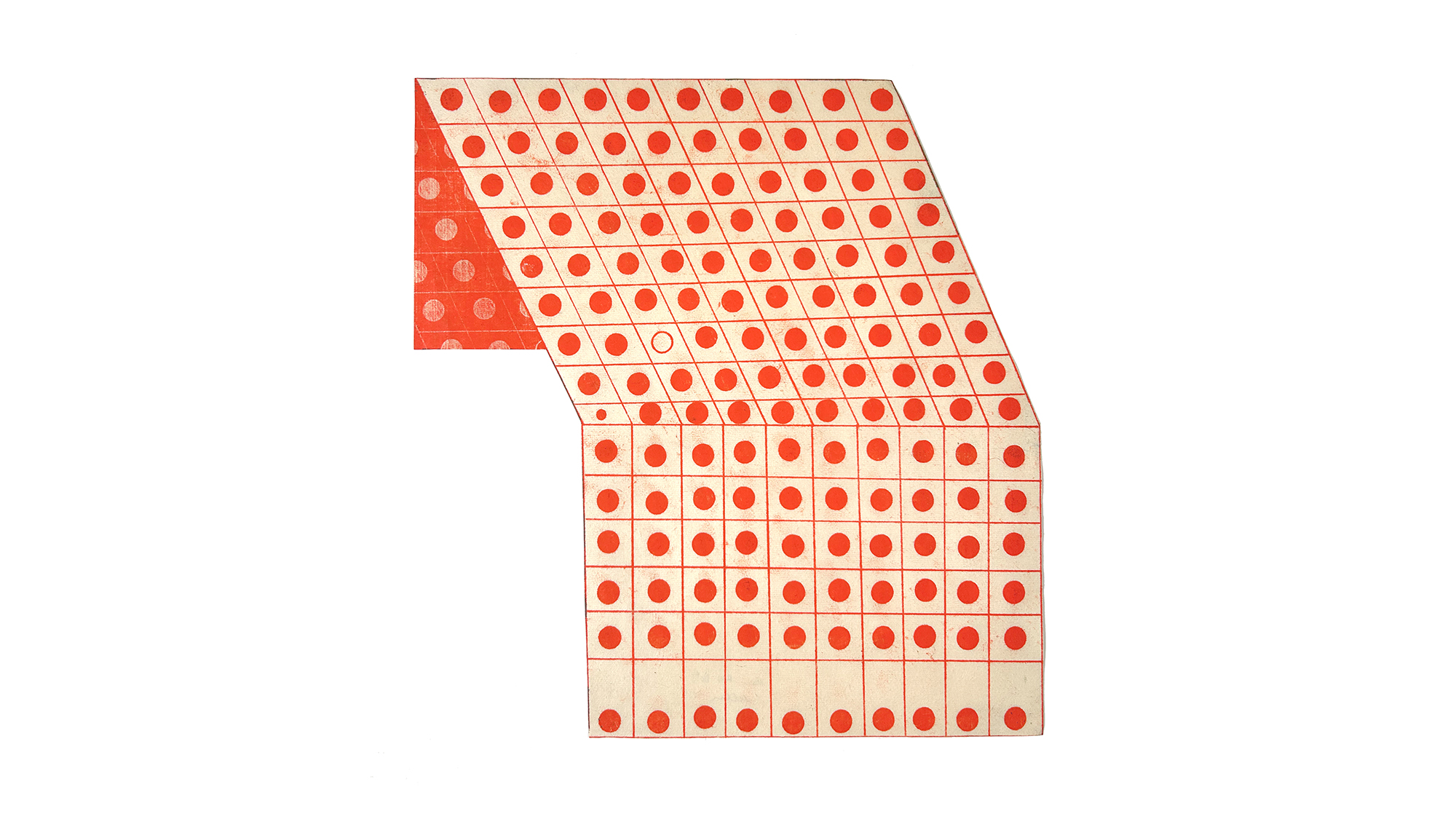
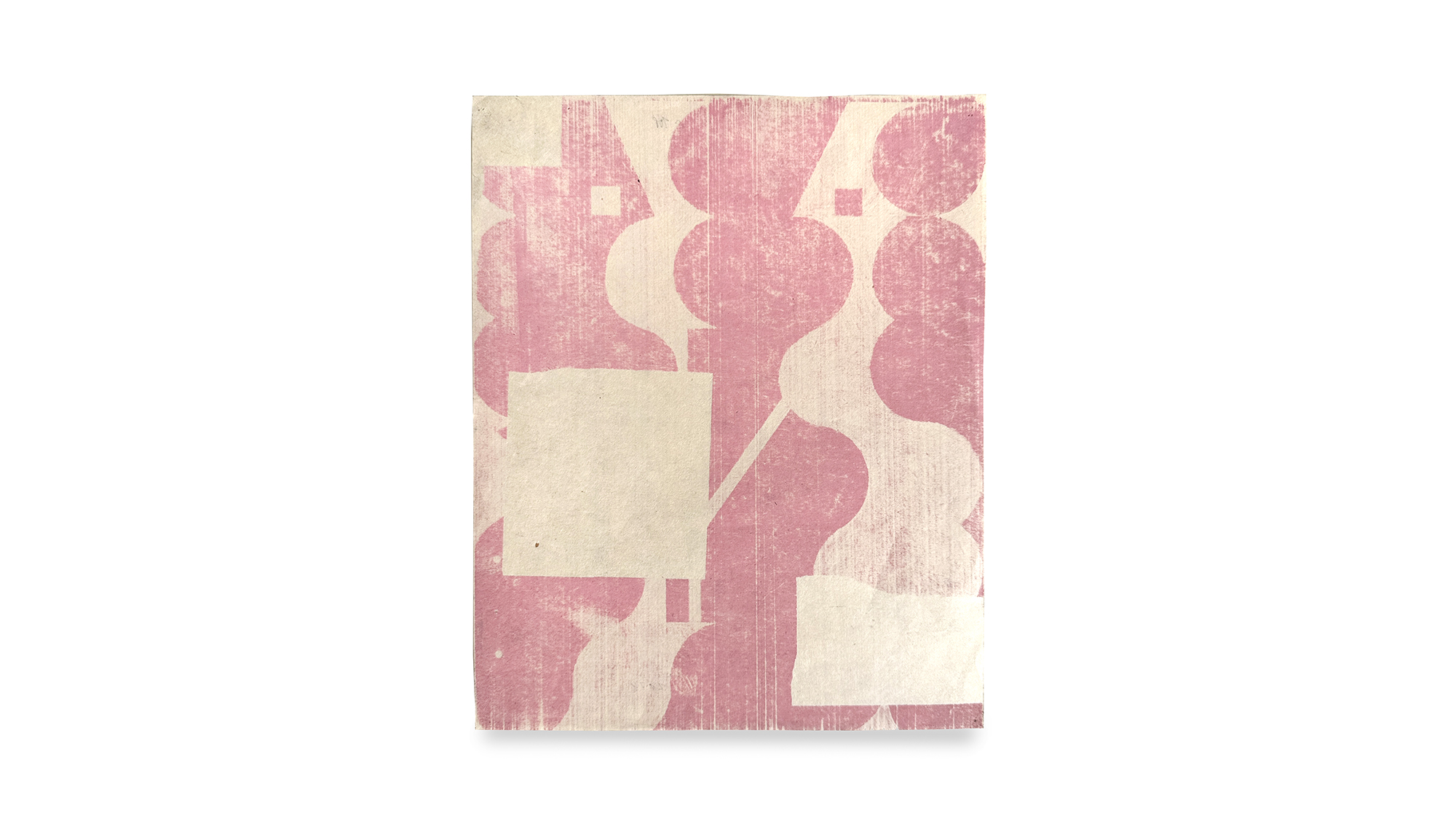
“I approach drawing and printmaking as a recording process akin to and inspired by early photography and musical recordings. These early recordings allow us to not only experience the intention of the makers, what they thought and how they felt, but also the errant details of the atmospheric conditions in which they were made. Those marks beyond their control. Together, the limitation of technology and the weight of time produce artifacts of otherworldly tone and mystery. The process I employ attempts to invite similar unknowns. The drawings themselves are relatively simple in structure and execution. They are made quickly with a ballpoint pen, a ruler, and a homemade version of large scale carbon paper (oil paint applied to paper). The result is a primitive transfer process that ‘records’ in oil paint, not only the intended lines of the drawing, the ideas themselves, but just as importantly, the unpredictable marks of chance.” — Sean Sullivan
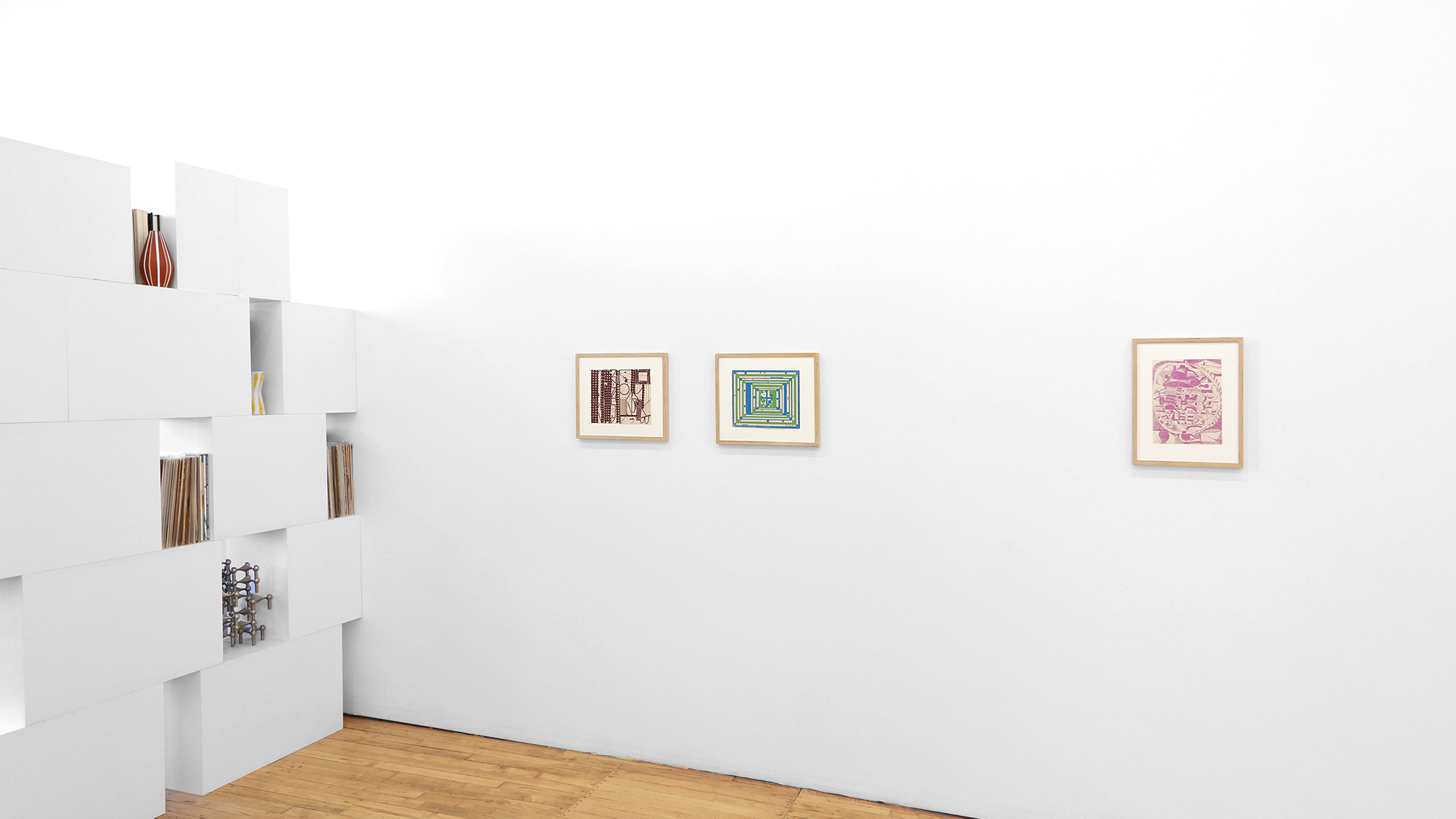


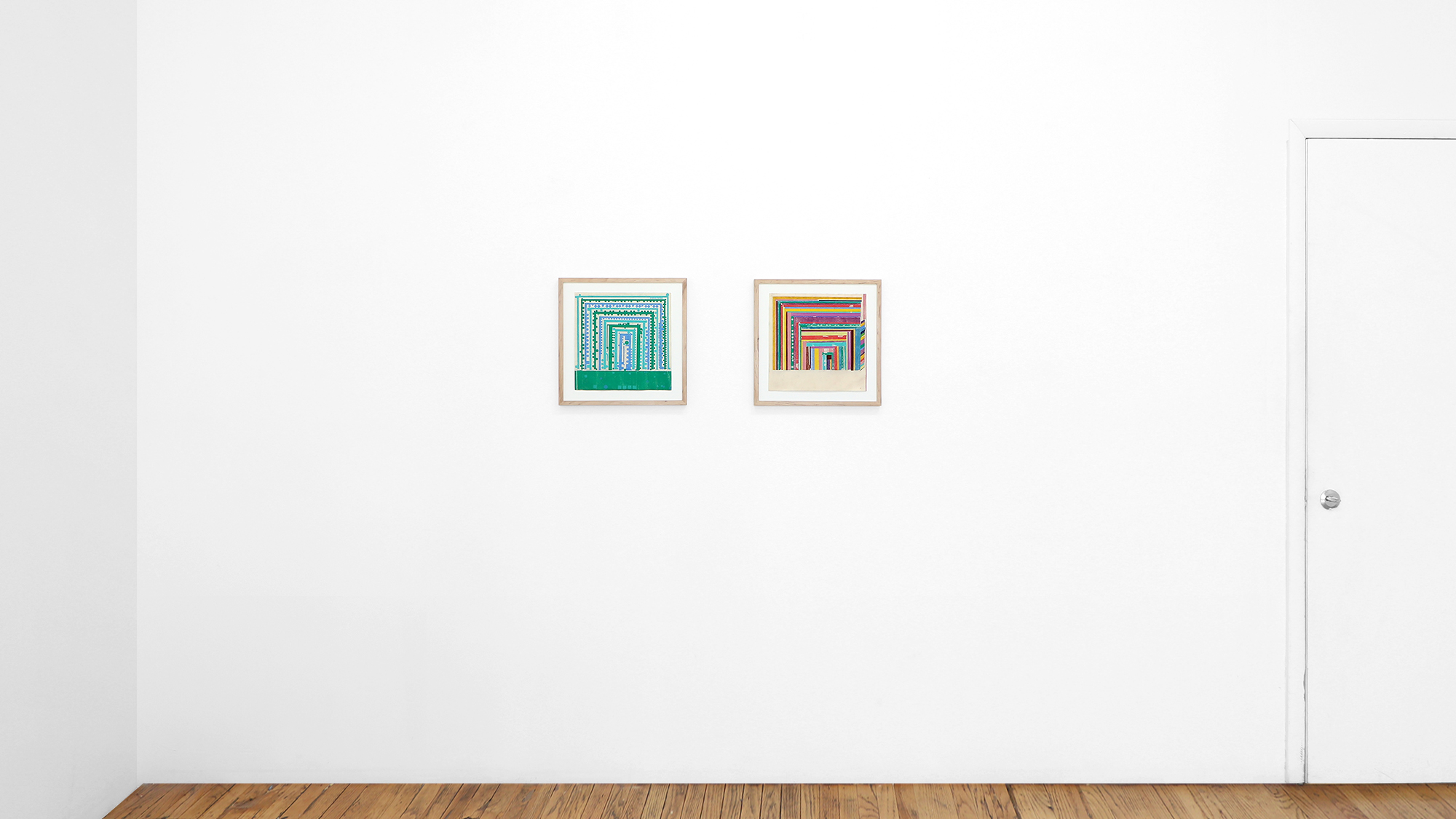
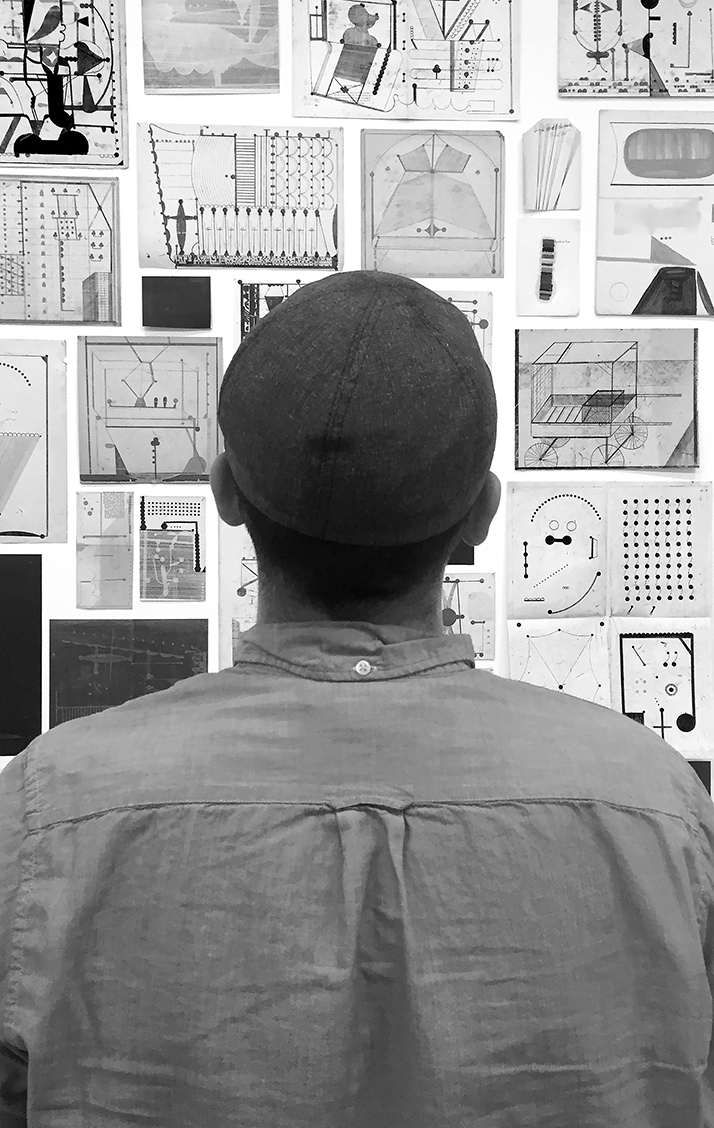
Sean Sullivan works from a place where drawing is both foundation and philosophy. His studio practice has long been devoted to this deeply personal approach to artmaking—a world of linear notation, diagram-like reflection, spatial exploration, and formal structure. All of this is filtered through a gentle sense of whimsy and play. The work is always carefully determined both chromatically and compositionally, exposing the myriad ways line and shape can express subtle emotional weight. Where there is great care in organizing a complex visual language, there is also a clear sense of invention and a desire to let close looking reveal the power of his compositions.
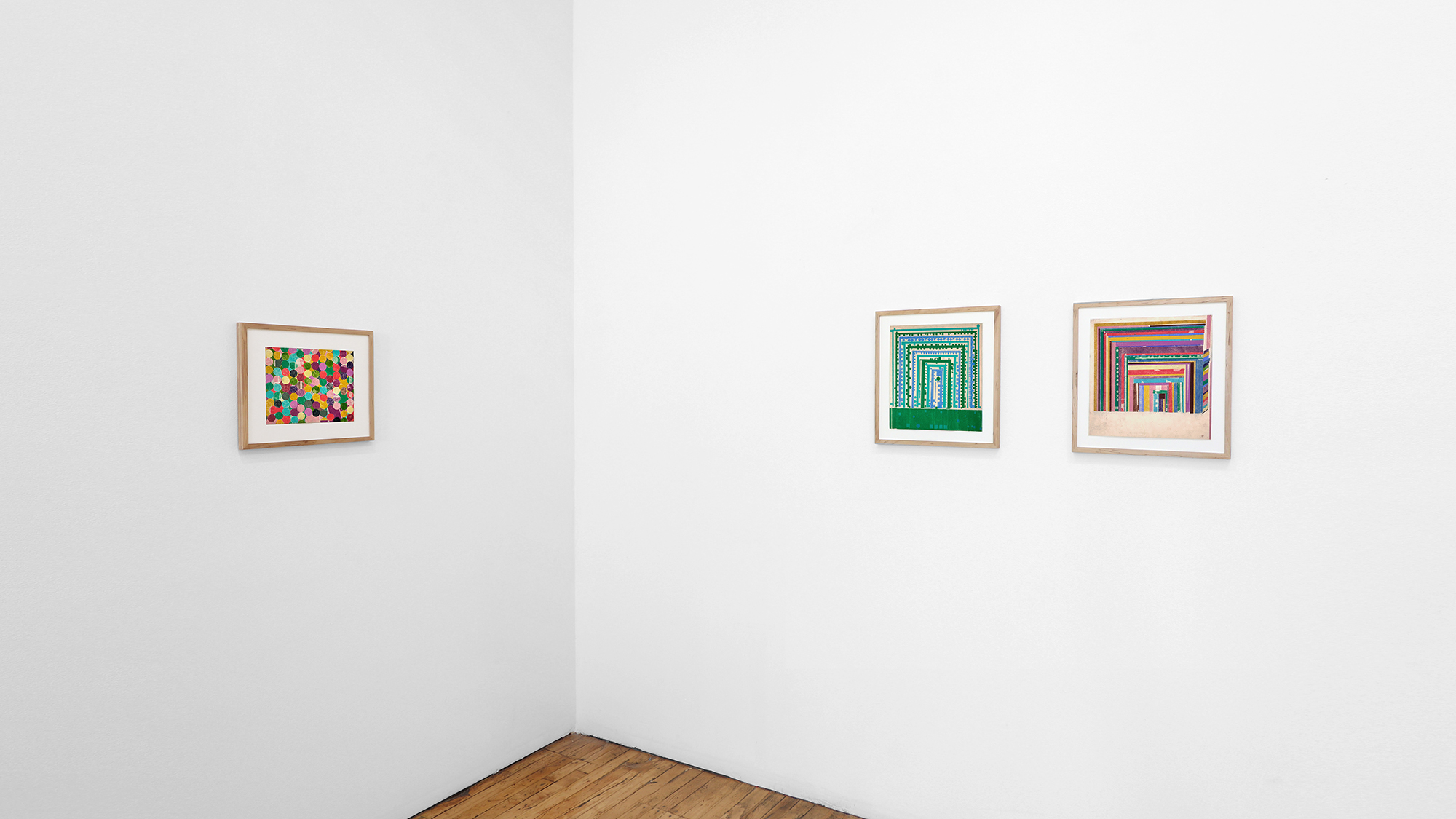


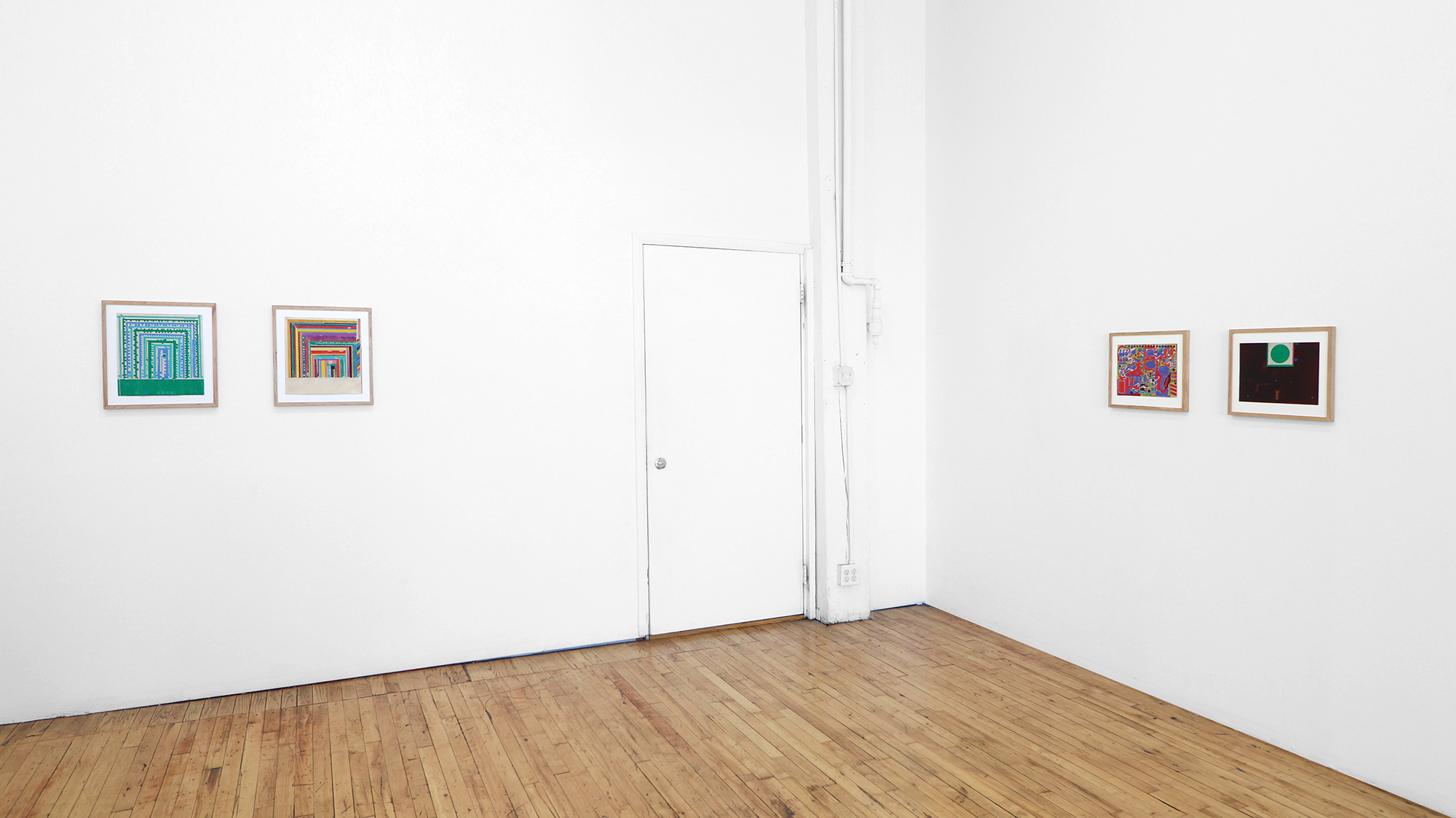
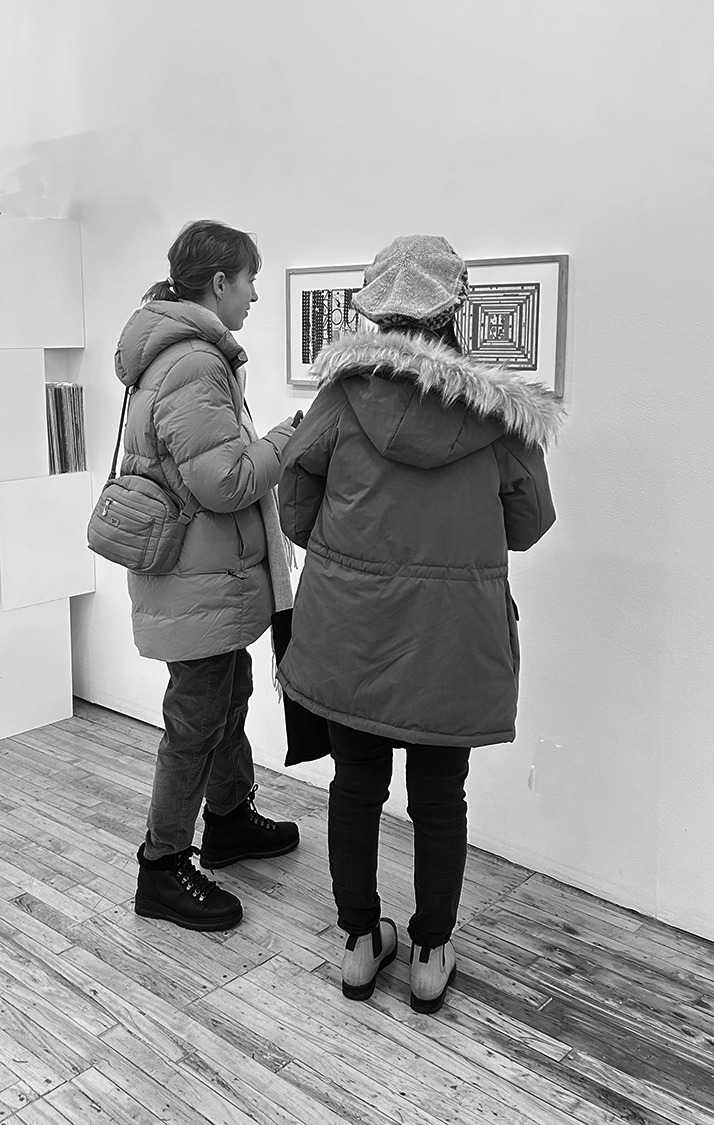

One aspect of Sullivan’s work that is often overshadowed by the unique formal presence of each piece is the subtle dimension of mediation used to build layers of nuance and history. By activating a transfer process that lifts oil pigment from one surface to another—repeating the action for each color—he creates surface qualities that wouldn’t be possible through direct drawing. The in-between-ness of his process keeps the work from becoming fussy or overdetermined. His transfer method adds depth and richness by introducing both the gain and loss of material and color. That element of material interference brings chance into the artmaking process, adding an unpredictable but meaningful dimension. For Sullivan, it seems essential to embrace this degree of indirection in order to enrich the final result.